
Last updated November 14, 2026
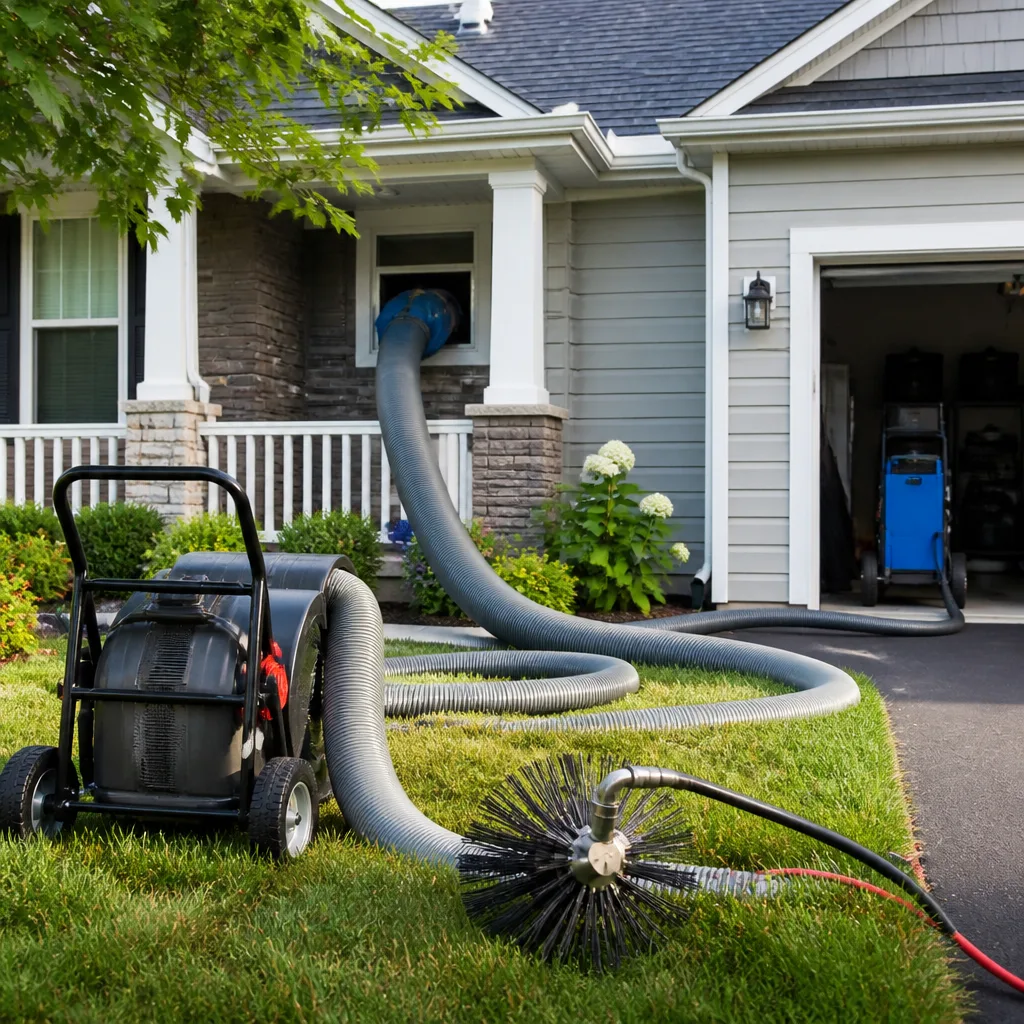 Whole-home duct cleaning
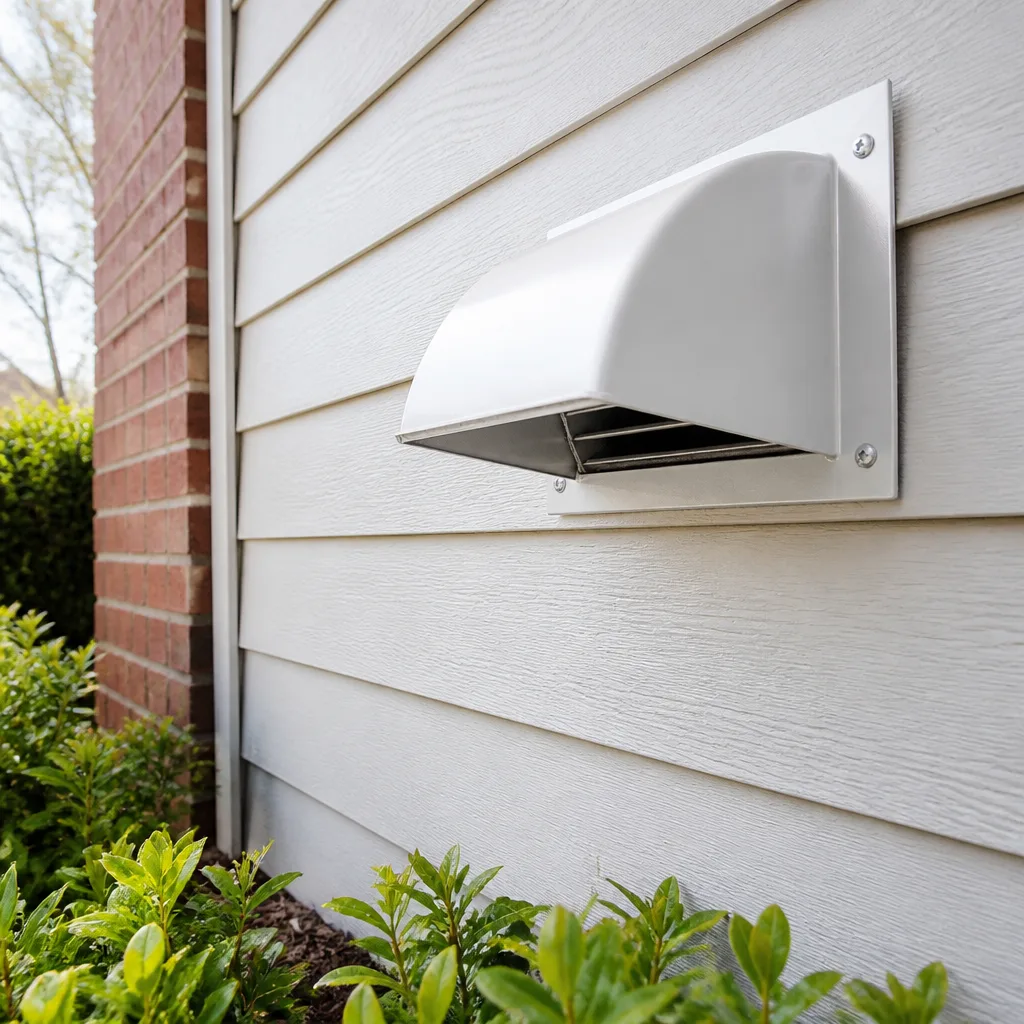 Dryer vent cleaning
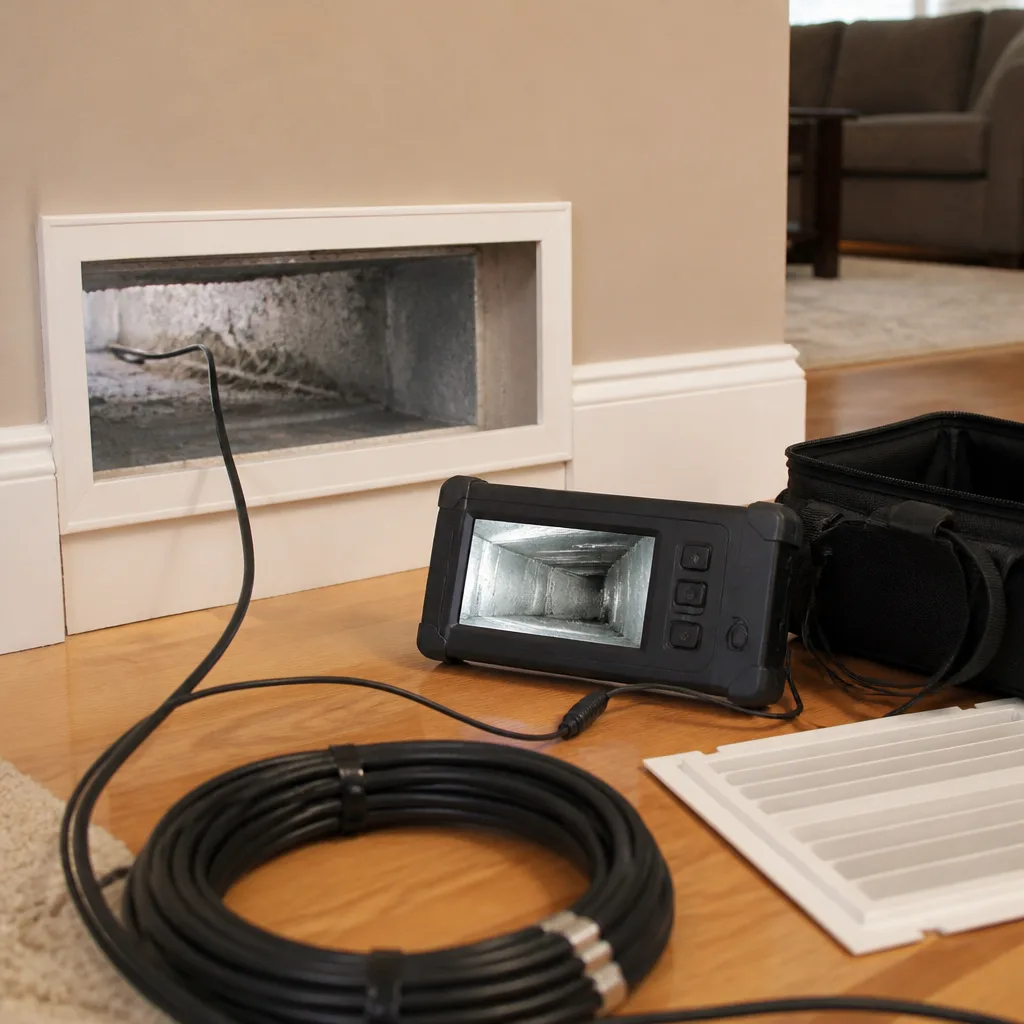 Camera inspection
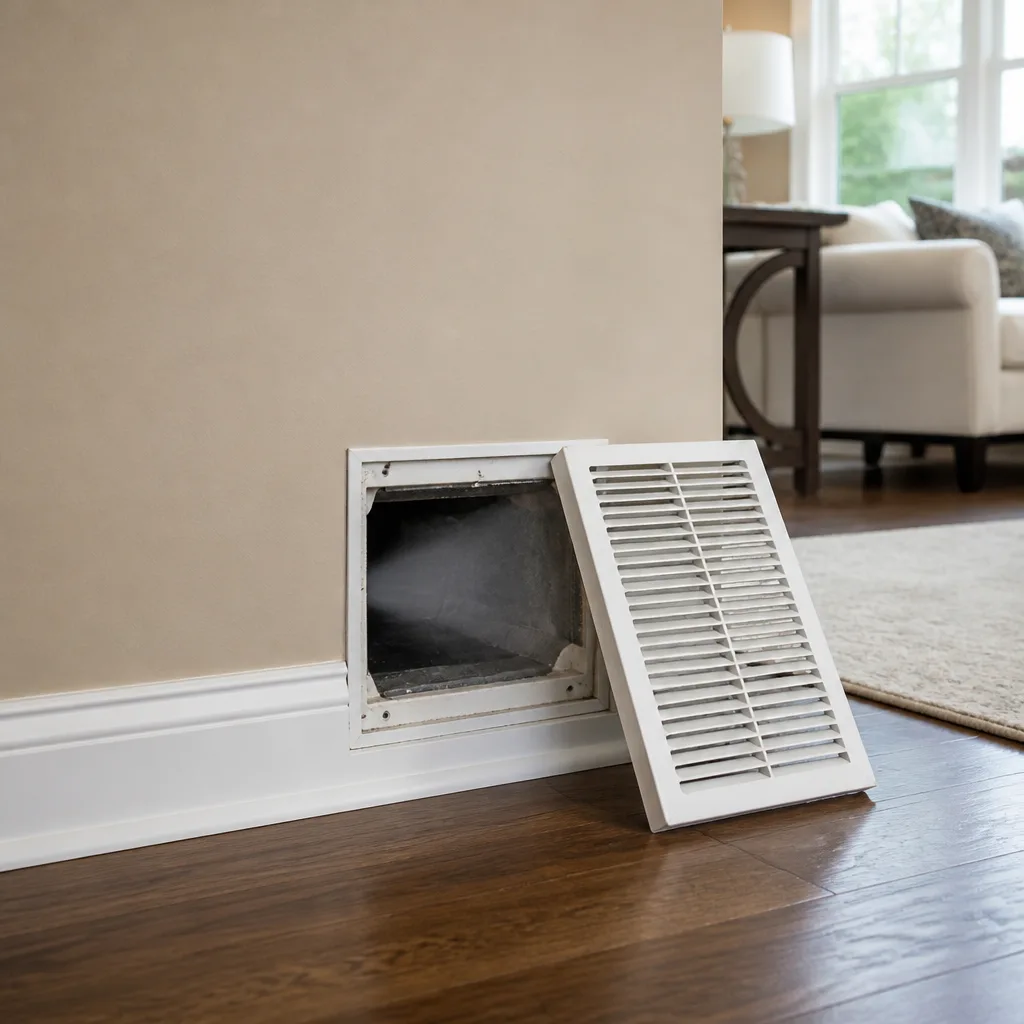 Sanitizing & deodorizing
Whole-system duct and dryer vent check with before-and-after photos - you see exactly what came out of your vents
That "$99 whole-house special" is a bait ad - the real number appears once they are in your hallway, or the "clean" is a shop-vac at the register. We photograph the inside of your ducts before and after instead.
How to Hire an Air Duct Cleaning Contractor in Pompano Beach: A Step-by-Step Guide
Florida does not require a specialty license to offer air duct cleaning. Which means anyone with a van, a vacuum, and a magnetic sign can legally knock on your door in Pompano Beach and call themselves a duct cleaner. After storm season, when demand spikes across South Florida, out-of-area crews often appear with a per-vent price written on a flyer and a cash-first payment request, and homeowners can find themselves watching a low quote turn into a much larger invoice once the van is in the driveway.
This guide is built to fix that information gap. It gives you the specific, technical questions that separate a remediation-grade operator from a discount crew, walks through the insurance and documentation checks most homeowners never think to ask, and shows you exactly what a legitimate written job scope should include before you sign anything. By the end, you’ll know how to vet any duct cleaning contractor in Pompano Beach, including us.
Quick Answer
To hire an air duct cleaning contractor in Pompano Beach, verify three things before you book: the equipment they use (professional-grade systems like Rotobrush or Nikro, not a shop vac), a current general liability insurance certificate that specifically covers mold-related claims, and a written scope of work that itemizes the entire system rather than quoting a per-vent price. Ask for the contractor’s equipment list, insurance certificate, and job scope in writing, and walk away from any quote that won’t put these in writing. A legitimate operator will welcome these questions; a blow-and-go crew will try to move past them.
Styles & brands we work with
- Whole-home duct cleaning
- Dryer vent cleaning
- Camera inspection
- Sanitizing & deodorizing
Table of Contents
- Why Duct Cleaning Is Largely Unregulated in Florida
- The Equipment Question That Reveals Everything
- How to Verify Insurance (and What Most Homeowners Miss)
- South Florida Red Flags: Storm Chasers, per-Vent Pricing, and Add-On Pressure
- Why NADCA Membership and ACR Standards Matter (But Aren’t a Guarantee)
- What a Legitimate Job Scope Looks Like in Writing
- The Step-by-Step Hiring Process
- How to Verify the Work Was Actually Done
Why Duct Cleaning Is Largely Unregulated in Florida
Air duct cleaning is not a licensed trade in Florida the way electrical or plumbing work is. There is no state specialty license specifically for duct cleaning, which means a contractor can offer the service without passing a trade exam or holding a dedicated credential. That’s the structural fact behind most of the problems homeowners run into.
What this means practically: the burden of vetting falls entirely on you. A business license is a bare minimum, not a stamp of competence. The company is legally operating; that tells you almost nothing about whether the technician on your driveway knows how to clean ducts completely or is there to sell a cheap vacuum pass and a chemical spray.
It gets livelier in South Florida’s climate. High humidity across Pompano Beach means ducts that get damp stay damp, and dust that settles in an unconditioned or poorly sealed system can support biological growth. That makes the quality of the cleaning and the containment discipline of the crew more consequential than in a dry climate, where a superficial pass may at least not cause new problems. A sloppy job that stirs up debris without containing it can redistribute the very material you paid to remove.
In our experience, the contractors who don’t want you asking about equipment and containment are the ones who need you not to ask. Everything that follows is designed to help you tell the difference before anyone shows up. The good news: the vetting is not complicated once you know which questions to ask.
The Equipment Question That Reveals Everything
If you ask a duct cleaning contractor one question, ask this: what equipment do you use for source removal and containment? The answer tells you whether you’re dealing with a remediation-grade operator or a discount crew faster than any other single question.
Here’s why it matters. Dust, debris, and biological material in ductwork have to be dislodged and then captured. The dislodging takes a rotary brush system that reaches the full duct surface; the capturing takes a high-powered negative-air machine pulling the disturbed material into a contained filtration unit. Two machines, two jobs, and both have to be real professional-grade equipment rather than a consumer vacuum with a hose adapter.
What to listen for:
- Rotobrush and similar rotary brush systems: the same class of tool used in commercial and restoration work. A contractor who names their rotary brush system and can explain how it reaches the full duct run is signaling they do source removal, not surface dusting.
- Nikro negative-air equipment: the standard for contained, controlled debris extraction. If the crew can’t tell you how they keep the work area under negative pressure and where the debris goes, they don’t have it.
- Abatement Technologies filtration: containment-level filtration, the kind of rigor usually reserved for mold and hazardous-material jobs. That’s the bar a serious residential operator should be aiming at.
- Honeywell and Aprilaire familiarity: air quality components and controls integrated into residential systems. A technician who understands the full HVAC air-quality ecosystem can spot how ducts interact with the rest of the system, not just the ducts in isolation.
At Valor Air Duct Cleaning, we run Rotobrush rotary brush systems and Nikro negative-air equipment on every job, use Abatement Technologies filtration, and stock and service Honeywell and Aprilaire components. We mention this because it’s the exact standard you should hold any contractor to, including us. Professional-grade equipment, not a shop vac with a logo on it, is the difference between cleaning ducts and just moving dust around.
How to Verify Insurance (and What Most Homeowners Miss)
Ask for a current certificate of general liability insurance, and then ask the follow-up question almost nobody asks: does the policy cover mold-related damage claims, or just property damage? The two are not automatically the same coverage in the residential cleaning context.
Here’s the logic. Duct cleaning, done badly, can introduce moisture or spread existing biological material through a home’s air pathway. If a poorly contained job leads to a mold complaint, the question of whether the contractor’s policy responds to that claim decides who pays to fix it. A contractor who can produce a certificate naming mold coverage as part of the scope has thought about this. A contractor who goes quiet at the question hasn’t, or is insured for the wrong thing.
Verification steps in order:
- Ask for the certificate of insurance before booking, not on the day of the job.
- Confirm the general liability coverage is current, not expired, and read the listed coverage description.
- Ask directly whether the policy covers mold-related claims, and get the answer in writing if the contractor is willing.
- Verify the business name on the certificate matches the business name on the quote and the invoice.
- Confirm the crew coming to your home is covered. If the crew is subcontracted and not on the policy, that’s a red flag.
This is the check that separates a business from a fly-by-night operation, and it’s unglamorous. Insured and bonded isn’t a slogan; it’s a certificate with a policy number on it that you’ve actually looked at. If a Pompano Beach contractor won’t produce it, that’s your answer.
South Florida Red Flags: Storm Chasers, per-Vent Pricing, and Add-On Pressure
The Pompano Beach duct cleaning market has its own failure patterns. Learn them and you’ll sidestep the worst of it.
- Out-of-area crews after storm season. Demand spikes after a weather event, and crews from outside the area show up to capture it. Ask where the company is based and whether the same crew that quotes the job does the work. A residential property manager should be especially careful on this one, since you’re vetting for multiple units.
- Per-vent quotes. A price per vent (“$49 per vent!”) means one thing: the final number depends on how many vents the crew can find to count. Whole-system pricing is honest. Per-vent pricing is a low teaser that grows. Ask for a flat, whole-system price in writing before anyone touches a duct.
- Chemical treatment pressure. A legitimate contractor will discuss whether antimicrobial treatments are appropriate for your situation; a blow-and-go crew will apply pressure on the driveway to add a chemical spray before they’ll finish. If the upcharge appears after the work is scheduled and not in the written scope, decline and call someone else.
- No written scope. If the quote is a text message or a verbal figure, there is no scope. A real operator puts the line items in writing.
- Pressure to decide now. A “today only” price on duct cleaning is a sales tactic, not a market condition. You can always schedule later.
The pattern across all of these is the same: a price that gets bigger once the van is on your driveway. The defense is also the same. One flat price per system, agreed before work starts, in writing.
Why NADCA Membership and ACR Standards Matter (But Aren’t a Guarantee)
NADCA, the National Air Duct Cleaners Association, publishes the ACR standard: Assessment, Cleaning, and Restoration. It’s the industry benchmark for how a duct cleaning job should be scoped, performed, and verified, and it’s a reasonable minimum you should expect an operator to know and follow. In Florida’s unregulated market, it’s often the closest thing to a credential you can check.
Two things worth understanding. First, NADCA membership signals a contractor has engaged with the industry standard, which is meaningful and rare in the discount segment. Second, it is not a state license and not a guarantee of quality. A membership tells you the operator knows the standard; the job scope, the equipment, and the insurance tell you whether they actually apply it. Use all three together.
For homeowners and property managers in Pompano Beach, a practical set of questions: Is the company a NADCA member? Do they reference the ACR standard when describing their process? Do they assess the system before cleaning rather than quoting over the phone with no inspection? A contractor who insists on briefly assessing the system before finalizing a price is a contractor who’s following the ACR sequence. One who quotes a firm per-vent number with zero assessment isn’t.
We’ll admit a bias here: the ACR standard matches how we were built. air duct cleaning done to that standard means assess, contain, clean completely, and verify, in that order. If the contractor you’re considering can’t describe their process in that sequence, ask why.
What a Legitimate Job Scope Looks Like in Writing
Before you sign anything, the quote should appear in writing and itemize the below. If line items are missing, ask why. A serious written scope is the single best protection you have against bait-and-switch pricing.
- Full system coverage stated explicitly: supply ducts, return ducts, and (if applicable) the air handler cabinet area. “Full system” should mean the whole pathway, not just the supply side.
- Number of supply and return registers: listed, so you and the crew agree on what’s being cleaned.
- Equipment named: the rotary brush system and negative-air equipment to be used. Not “state-of-the-art”; specific.
- Containment method: how the work area will be kept under negative pressure, and where the captured debris goes.
- Pre- and post-cleaning photos: included as part of the job, not offered only on request.
- Any additional service in scope: dryer vent cleaning or duct repair called out as separate line items with separate prices, not bundled and priced after the fact.
- Flat, whole-system price: one number for the system, not per vent.
- Written estimate that sets the final price: the number on the estimate is the number on the invoice.
Dryer vent cleaning belongs on this scope discussion more often than homeowners expect. A clogged dryer vent is a fire hazard, not just an inconvenience, and cleaning it is a life-safety outcome, not a comfort upgrade. If your dryer is taking too long to cycle, ask whether the vent line has been checked. dryer vent cleaning should be a standalone, scoped line item, not a mystery bundled into the package.
The Step-by-Step Hiring Process
Here’s the sequence we recommend to any Pompano Beach homeowner or property manager, in order. Done properly, it takes about as long as one phone conversation and one round of email.
- Ask why you’re cleaning. Recent renovation, new HVAC install, allergy symptoms, a dryer that’s slow, storm season aftermath, or a system that’s never been cleaned. The reason shapes the scope and helps you judge whether the quote matches the job.
- Request a written scope. Email or text is fine as long as the line items are in writing. See the section above for what it should include.
- Ask the equipment question. “What rotary brush system and negative-air equipment will you use, and how do you contain debris?” The answer reveals operation type. Abatement Technologies filtration, Rotobrush, Nikro: if these come up naturally, you’re talking to a serious operator.
- Verify insurance. Certificate of general liability, current, with the mold-coverage question answered in writing.
- Confirm flat, whole-system pricing. No per-vent quotes. The written estimate sets the final price.
- Schedule the work and confirm photo documentation. Before-and-after photos of your own ducts as part of the job.
- Review the post-job photos and the invoice against the scope. If the invoice doesn’t match the estimate, stop and ask.
That’s it. Seven steps, most of which are one message each. The contractors who make it easy are the ones you want. The contractors who make it hard or try to skip steps are the ones who need to be skipped.
How to Verify the Work Was Actually Done
Before-and-after photos of your own ducts are the simplest way to confirm a job was done rather than promised. Any legitimate contractor can provide them, and a serious operator provides them as part of the job without being asked. If photos don’t exist after the work, that’s not a small thing.
What to look at in the photos:
- Interior duct surfaces at the register boots and along the runs: debris removed, not smeared.
- Inside the air handler and return plenum: these are where the accumulation hides, and where a superficial pass doesn’t reach.
- Seals and connections: whether any joint damage is visible. Duct integrity is a separate problem from dirt, and a good operator will point it out if they see it.
Beyond photos, watch how the crew behaves. Did they set up containment before starting? Did they keep the work area sealed? Did they talk about what they found? A contained, professional job leaves the home cleaner than it started. A blow-and-go pass leaves a fine dust haze you’ll notice by the end of the day.
If a duct is damaged, cleaning won’t fix the leak. Valor Air Duct Cleaning offers air duct repair as a standalone service because dirty ducts and damaged ducts are not the same problem, and a clean leak still leaks. Whether you hire us or someone else, ask any contractor whether they’ll flag structural issues rather than clean over them. A contractor who only cleans isn’t equipped to tell you the difference; a contractor who repairs ducts is. That’s why we keep the three services in house: cleaning, dryer vent, and repair, with no handoffs.
Common Mistakes to Avoid
- Accepting a per-vent quote. A per-vent number is a teaser, not a price. The final number is whatever the crew can count on the driveway. Insist on a flat, whole-system quote in writing before the work is scheduled.
- Not asking the mold-coverage question. General liability coverage for property damage is standard; mold coverage is not. In humid Pompano Beach, a poorly contained job can introduce moisture problems, and you want the insurance to respond if it happens.
- Skipping the equipment question. If a contractor can’t name their rotary brush and negative-air equipment, they don’t have remediation-grade tools. Rotobrush and Nikro in the answer means the contractor operates with real equipment; a shop vac and a hose adapter doesn’t.
- Letting a storm-season crew do the work without checking where they’re based. Out-of-area crews chasing post-storm demand often leave no paper trail and no one to call if something goes wrong.
- Paying for a chemical treatment that wasn’t in the written scope. If a treatment appears as a windshield price mid-job, you’re being sold, not served.
- Assuming NADCA membership is a license. It’s an industry benchmark, not a state credential. Check the membership, the equipment, the insurance, and the scope together, and treat any one alone as insufficient.
See the difference
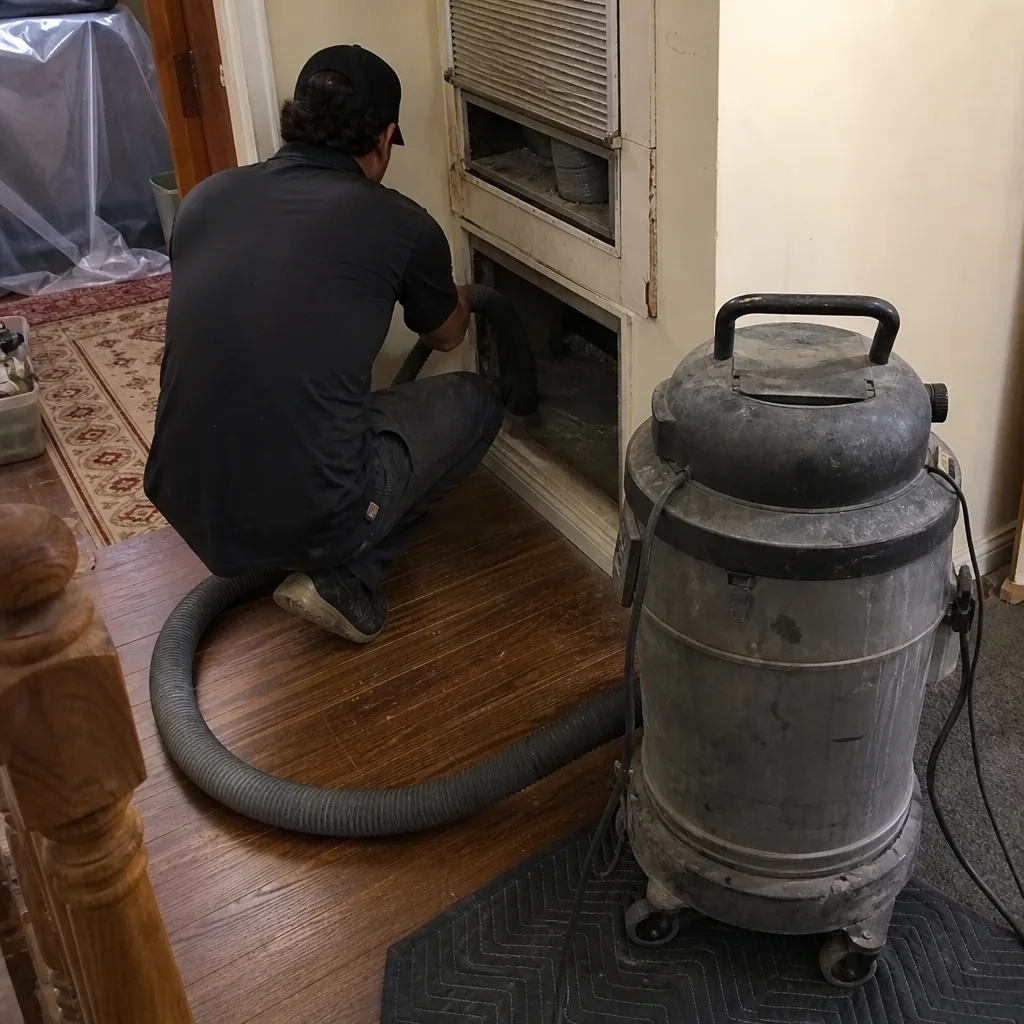 Before
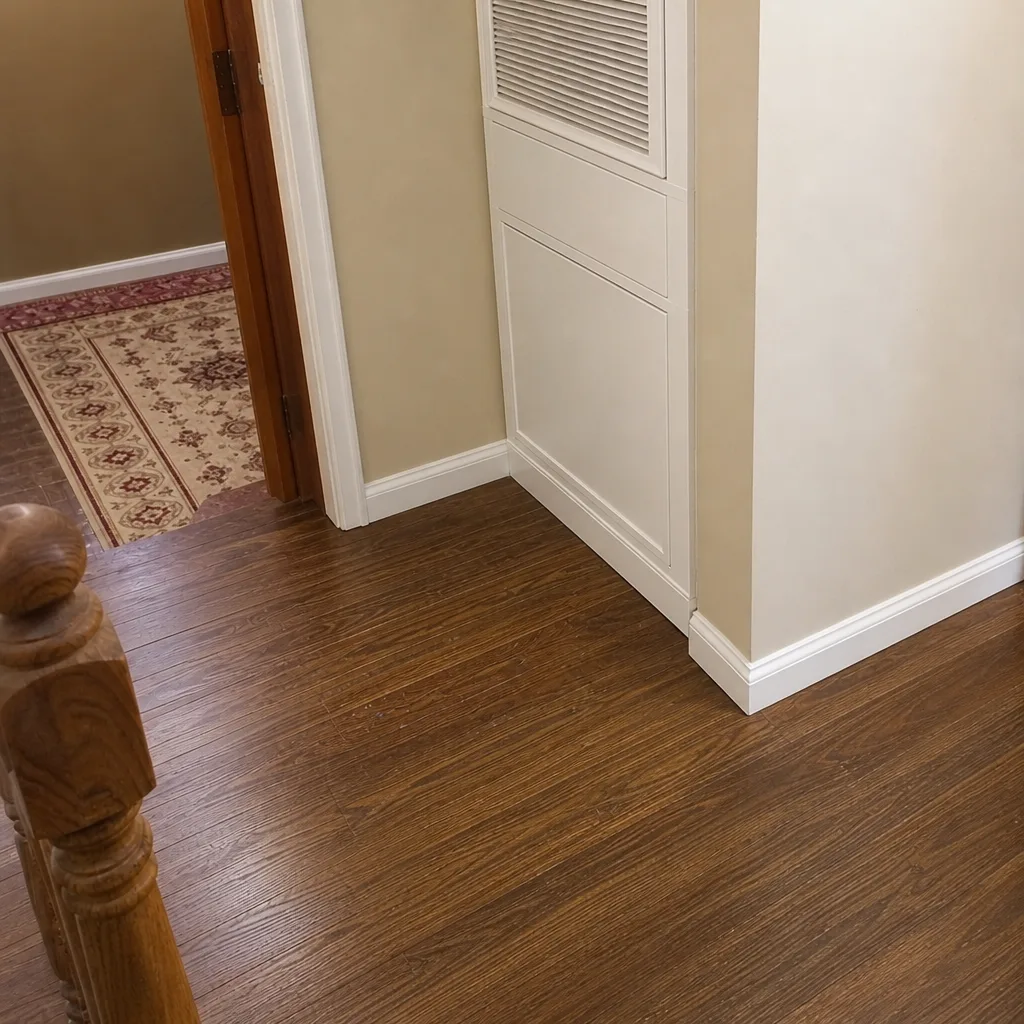 After
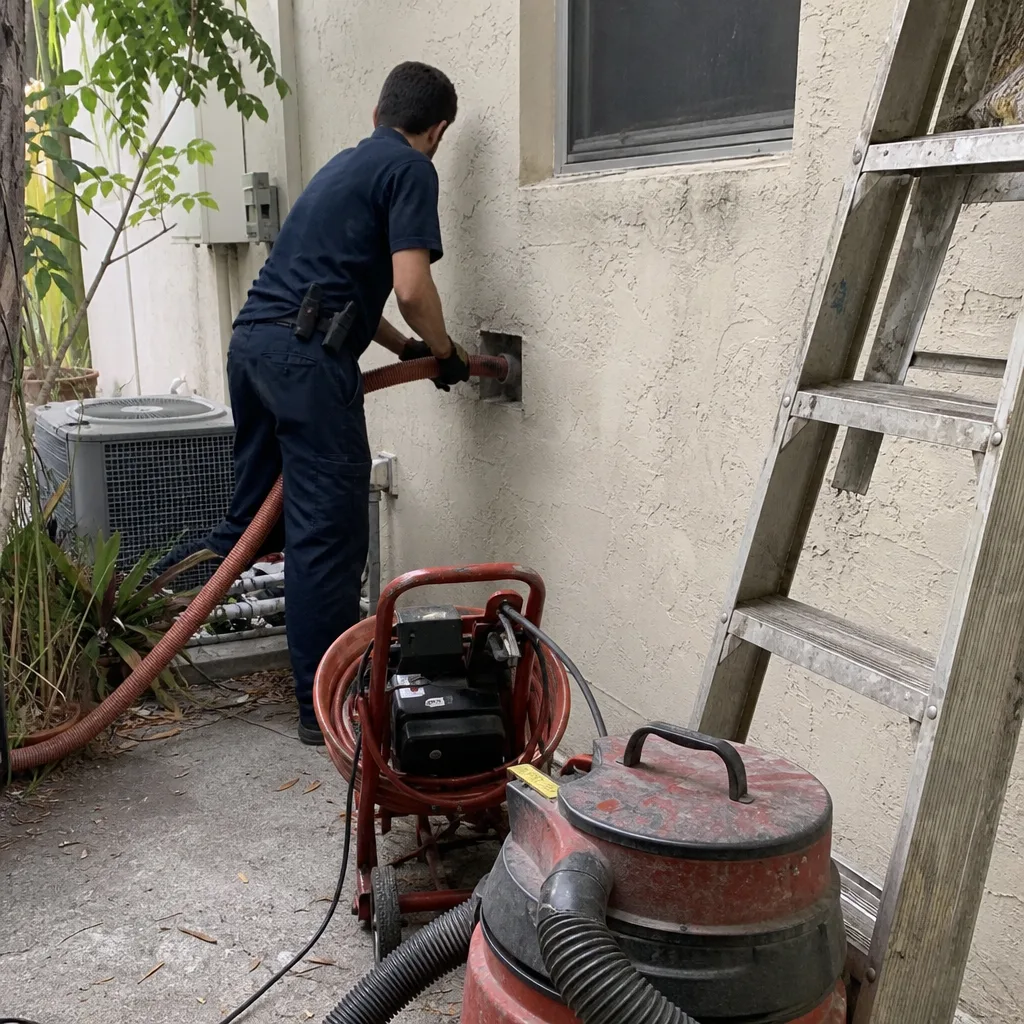 Before
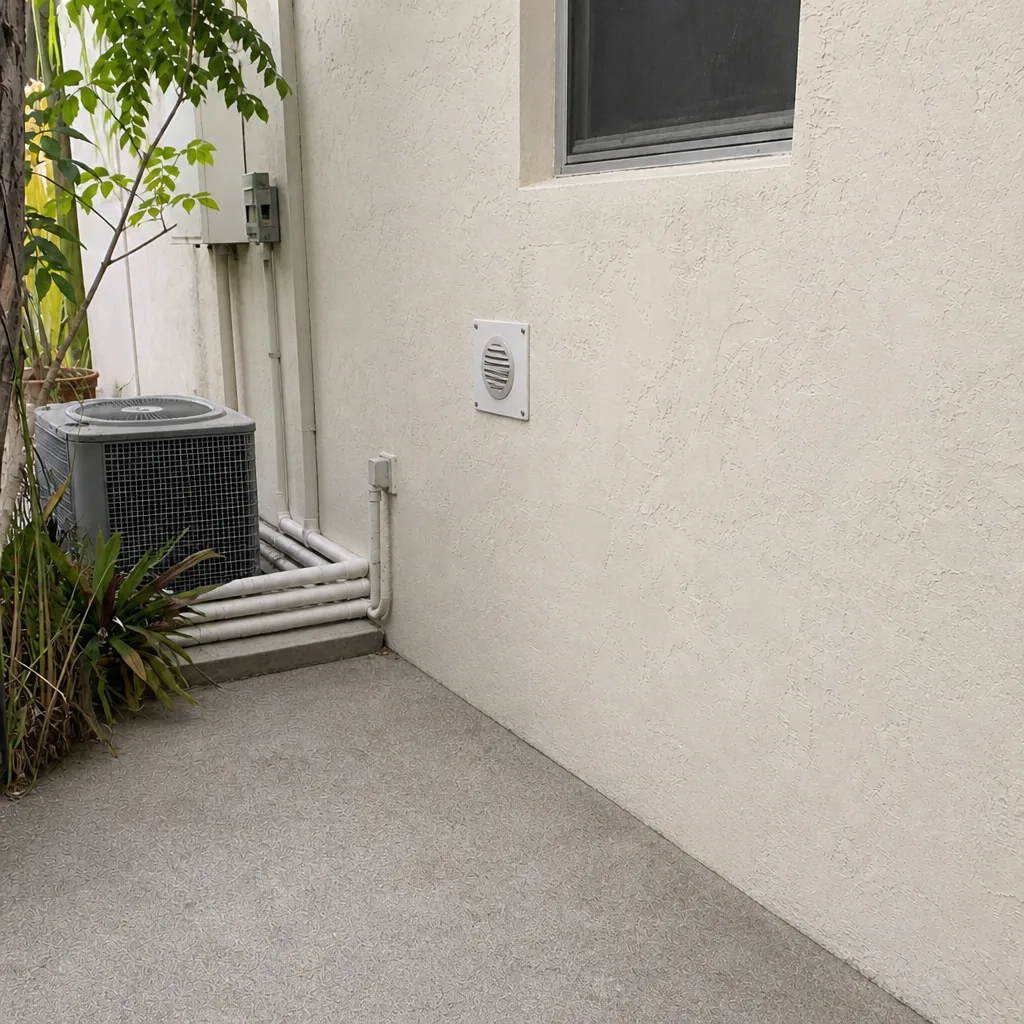 After
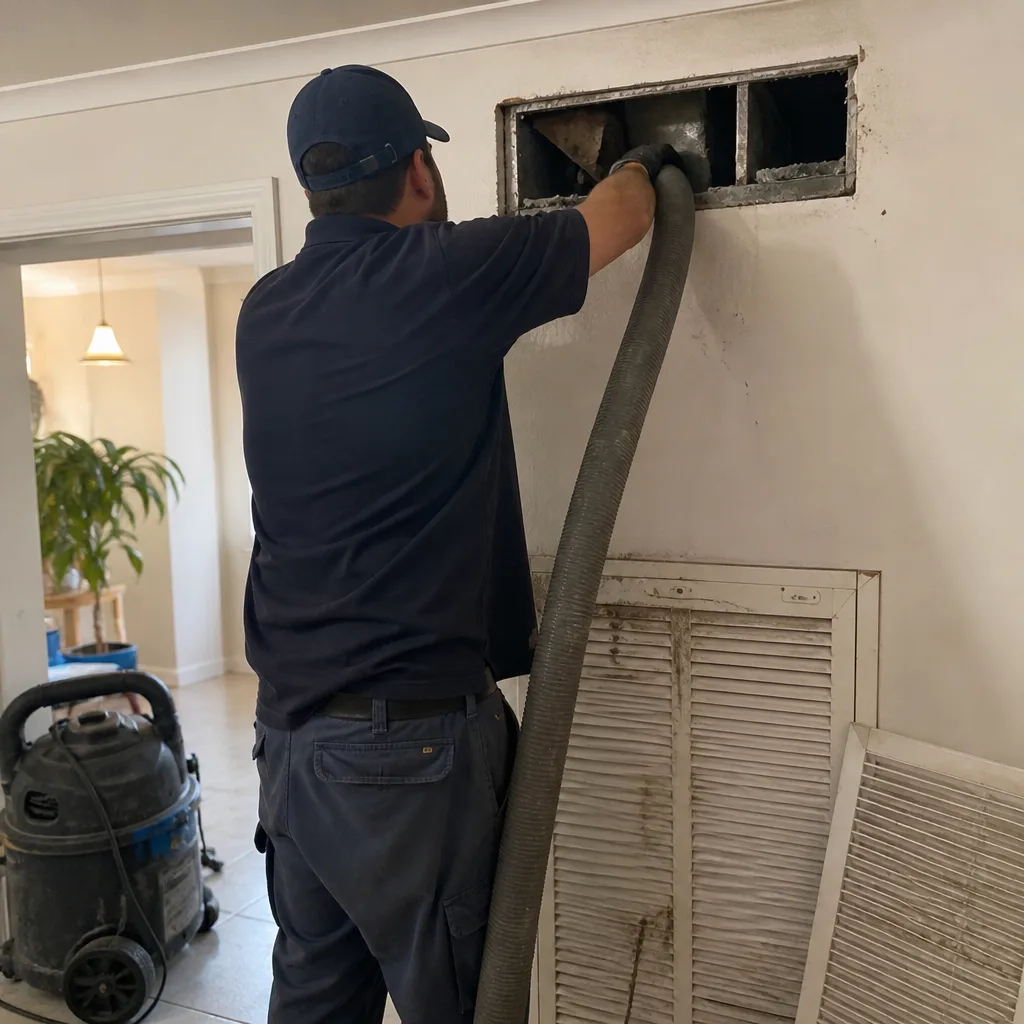 Before
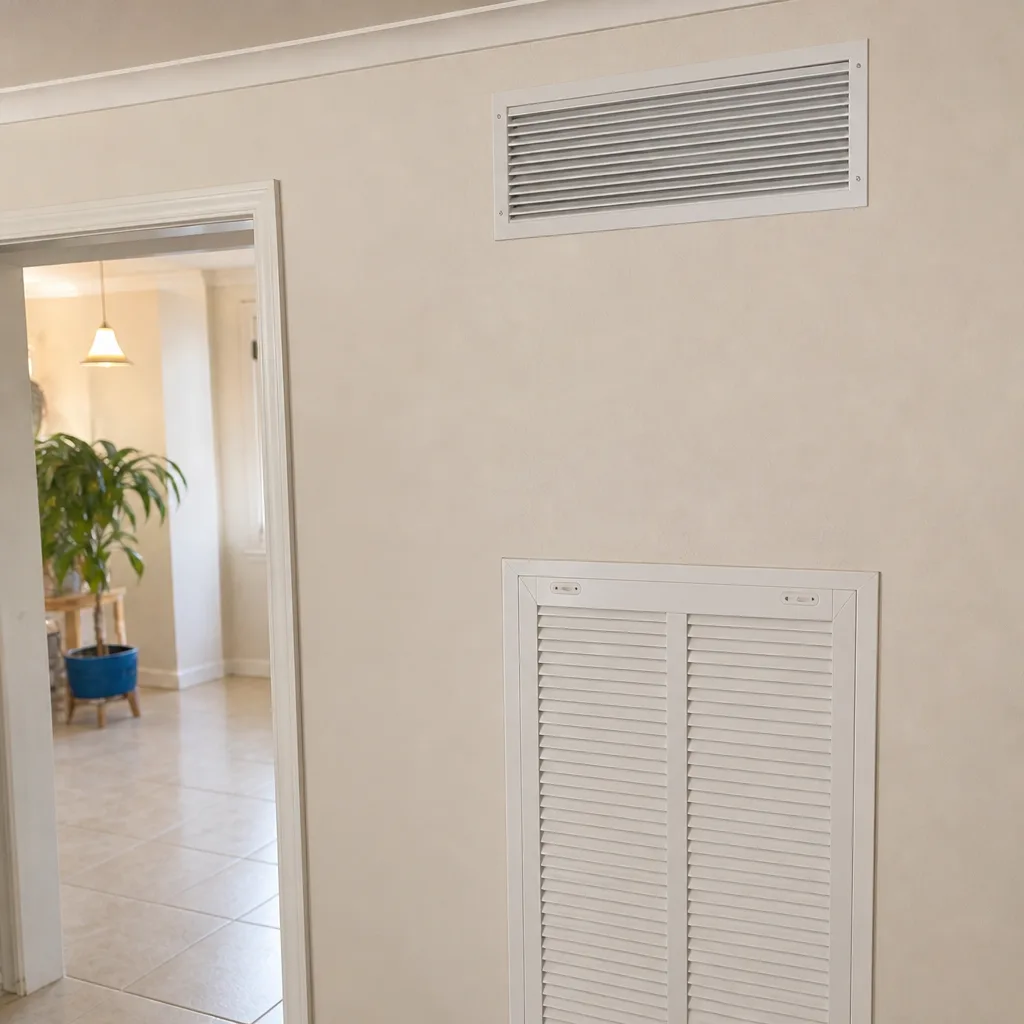 After
When to Call a Professional
Call a professional when your ducts are visibly soiled at the registers, when you’ve just finished a renovation or a new HVAC install, when allergy symptoms spike indoors, or when your dryer is cycling longer than it used to. If you can’t remember the last time the system was cleaned, that’s enough reason to have it assessed. If you have a known duct leak or seen joint damage, call about repair specifically rather than cleaning. And if you’re shopping near the coast or across Pompano Beach, use the step-by-step guide above on every contractor you consider, including us. Valor Air Duct Cleaning offers free estimates in Pompano Beach. Call (844) 795-4871. We answer 24/7. Fast dispatch from 7am to 7pm, Sunday through Friday.
Frequently Asked Questions
Get the equipment list, the insurance certificate, and the written scope in writing before you book. Ask specifically about the rotary brush system, negative-air equipment, mold coverage on the insurance, and flat whole-system pricing. A contractor who welcomes those questions is your shortlist; one who resists them isn’t. Call (844) 795-4871 for a free estimate; we answer 24/7.
A legitimate contractor uses a rotary brush system for source removal and high-powered negative-air equipment for contained capture, not a consumer vacuum. Names to expect: Rotobrush, Nikro, Abatement Technologies filtration. If the contractor can’t name their equipment or explain how debris is contained, they’re a discount crew. Call (844) 795-4871 for an exact quote on a whole-system cleaning.
Cost depends on system size and the condition of the ducts, not a per-vent formula, and the written estimate sets the final price. Beware any advertised per-vent price; the final invoice rarely matches it. Ask for a flat, whole-system price in writing, and don’t confuse a low teaser with a real quote. Call (844) 795-4871 for a free estimate on your specific system.
Cheap quotes are per-vent teasers or a crew without proper equipment and containment, and both numbers grow once the van is on your driveway. A real whole-system clean with remediation-grade equipment costs what it costs to do the job completely. If a quote is far below the rest, ask the equipment and insurance questions and see whether the answer holds. Call (844) 795-4871 for an honest, flat-price estimate.
Before-and-after photos of your own ducts are the answer. A legitimate operator provides them as part of the job, and the photos will show interior surfaces at the register boots, along the runs, and inside the air handler. If the crew can’t show you photos of your ducts, assume the work was partial. Call (844) 795-4871 to book a job that includes documentation.
No, Florida does not issue a specialty license specifically for air duct cleaning, which is why vetting falls to you. Check business licensing, general liability insurance (with mold coverage), equipment grade, and NADCA familiarity together, since no single credential is sufficient on its own. Values like flat pricing and written scope carry the weight a license usually would. Call (844) 795-4871 for a free estimate and a written scope.
No, NADCA membership and ACR standard familiarity are a baseline benchmark, not proof of a specific job’s quality. Use them alongside the equipment question, the insurance check, and a written whole-system scope. Call (844) 795-4871 if you’d like to compare our written scope against your current quote; estimates are free.
The Bottom Line
Hiring a duct cleaner in Pompano Beach comes down to three checks, done in order. First, ask the equipment question and listen for real source-removal and containment gear, like a rotary brush system and negative-air equipment from names such as Rotobrush or Nikro. Second, verify general liability insurance, including mold coverage, before booking. Third, demand a written whole-system scope with a flat price, not a per-vent teaser, plus before-and-after photos of your own ducts as part of the job. Every reliable operator in this market passes all three. Every blow-and-go crew fails one of them. That’s the whole test, and you now know how to run it on anyone, including us.
Valor Air Duct Cleaning offers free estimates in Pompano Beach. Call (844) 795-4871. We answer 24/7. Fast dispatch from 7am to 7pm, Sunday through Friday.
Written by the team at Valor Air Duct Cleaning, serving Pompano Beach since 2018.