
Last updated November 14, 2026
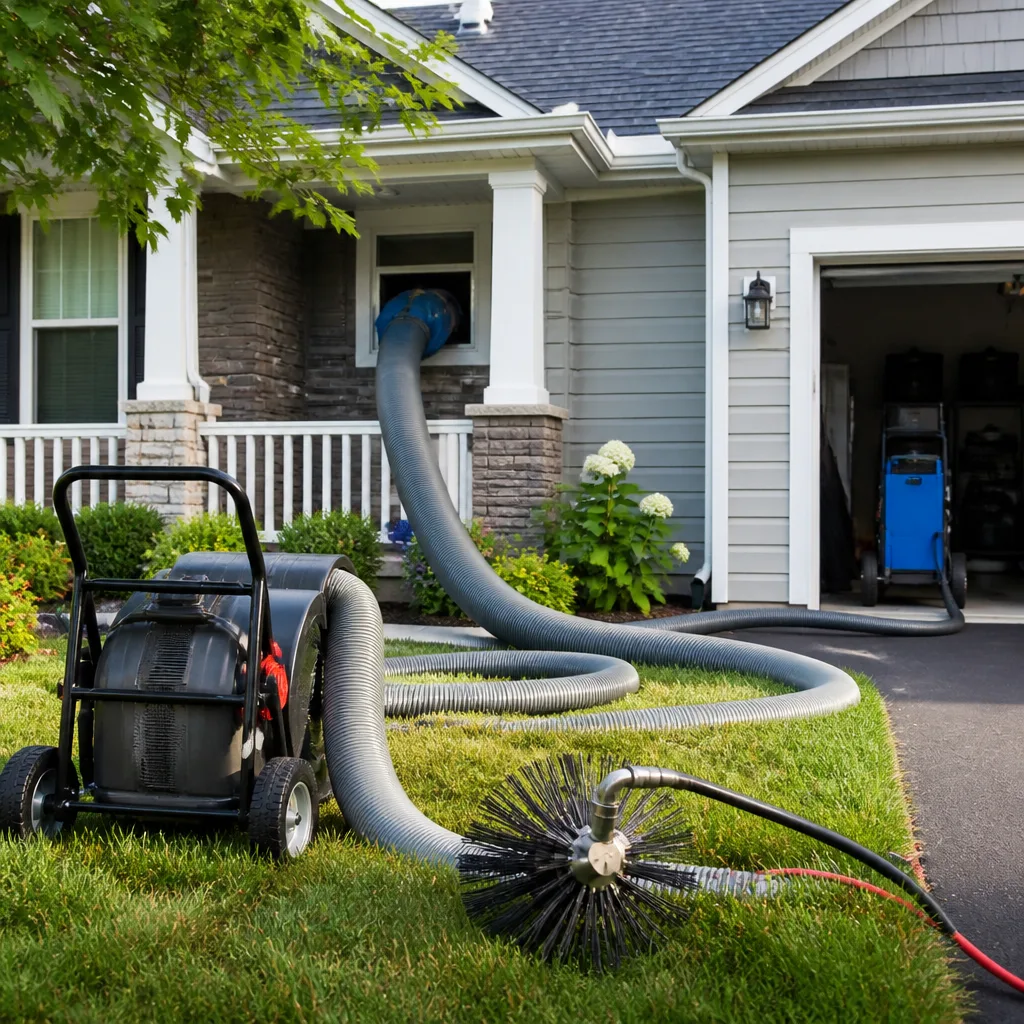 Whole-home duct cleaning
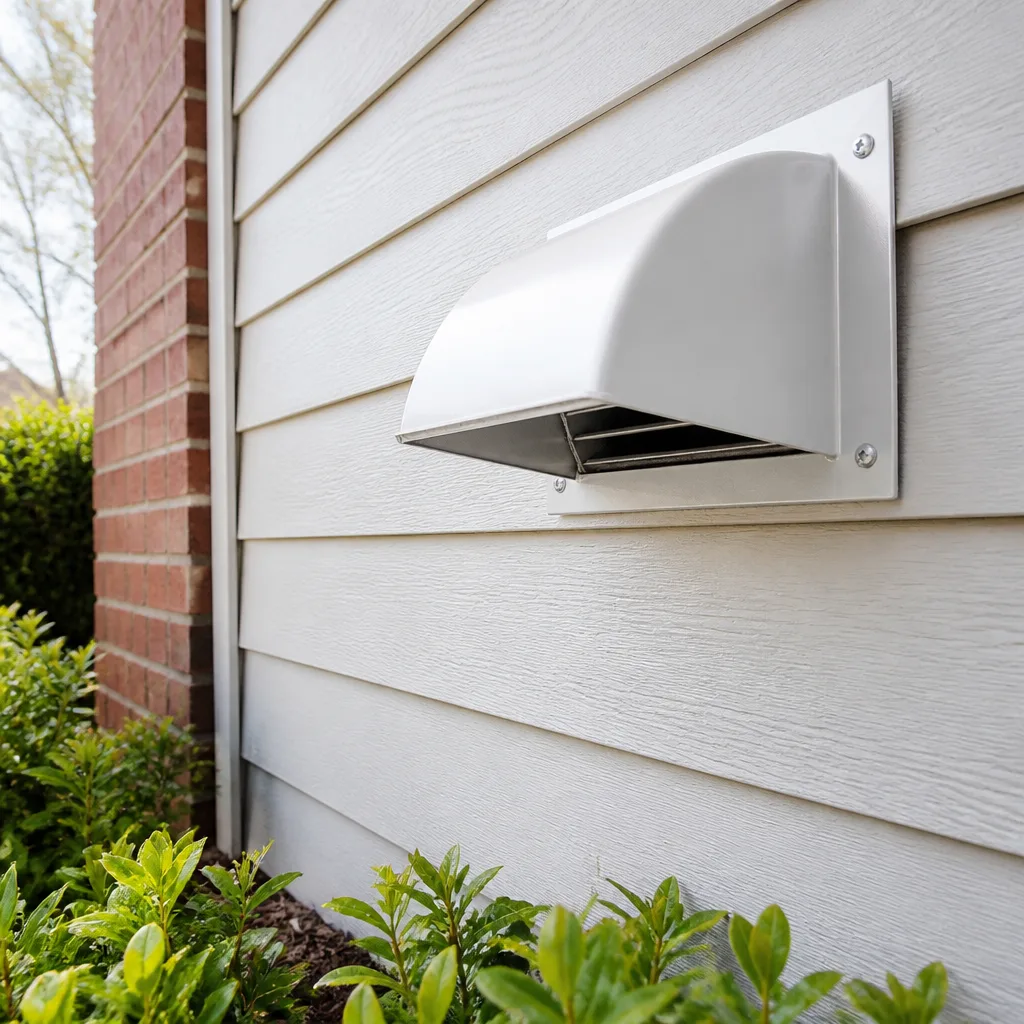 Dryer vent cleaning
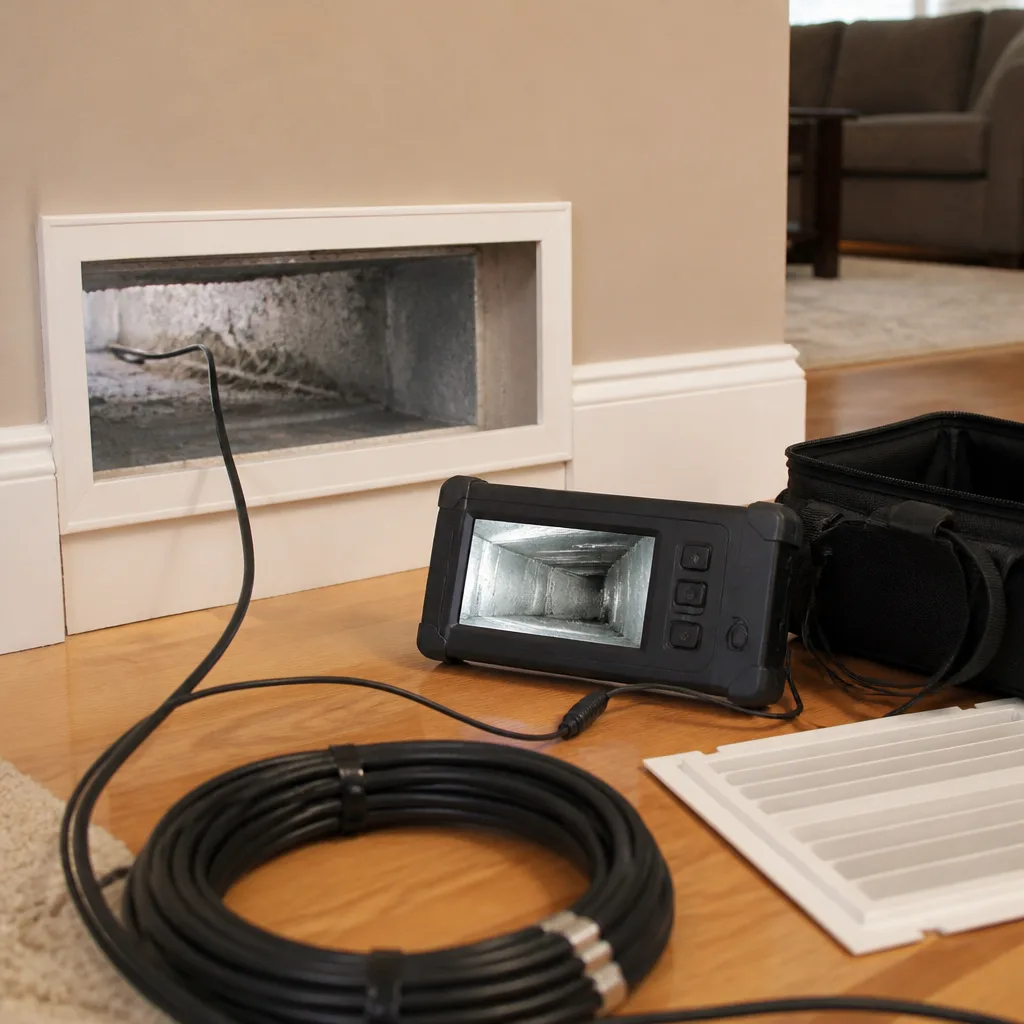 Camera inspection
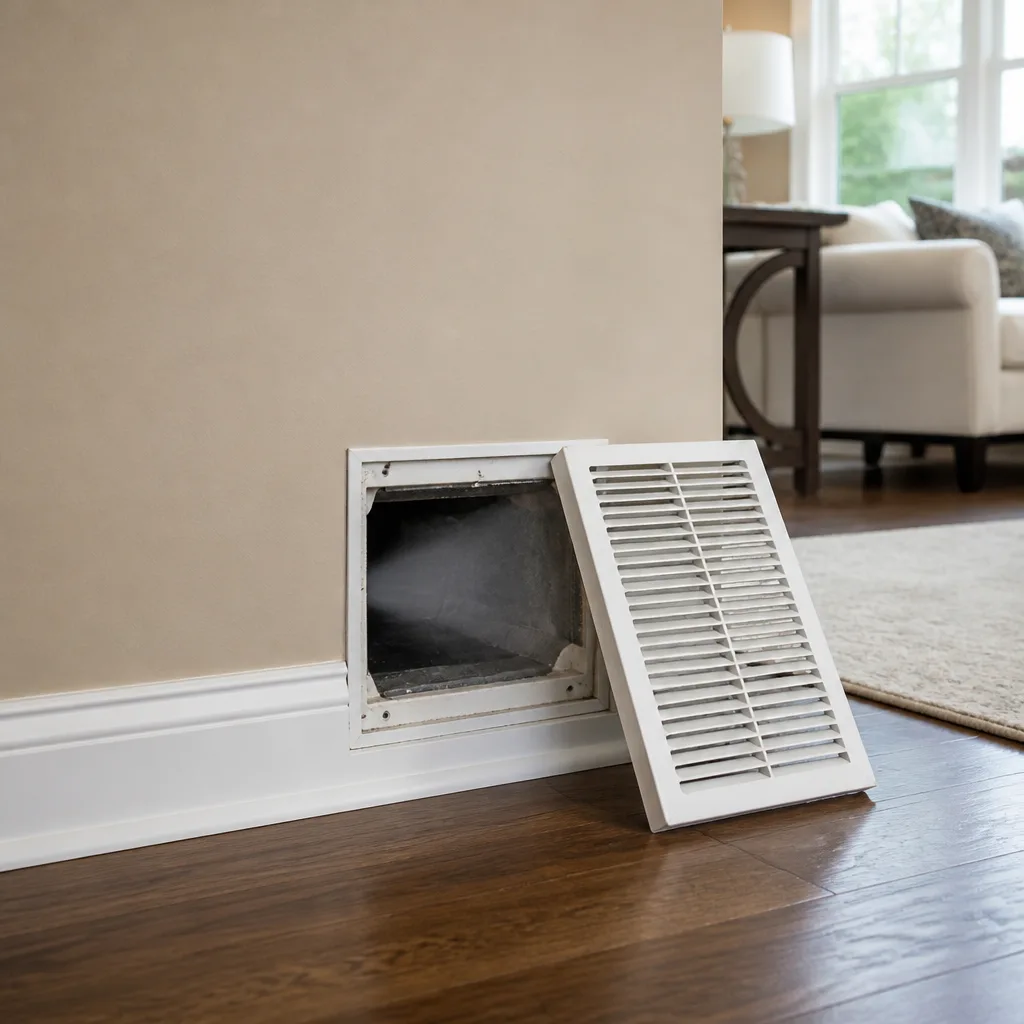 Sanitizing & deodorizing
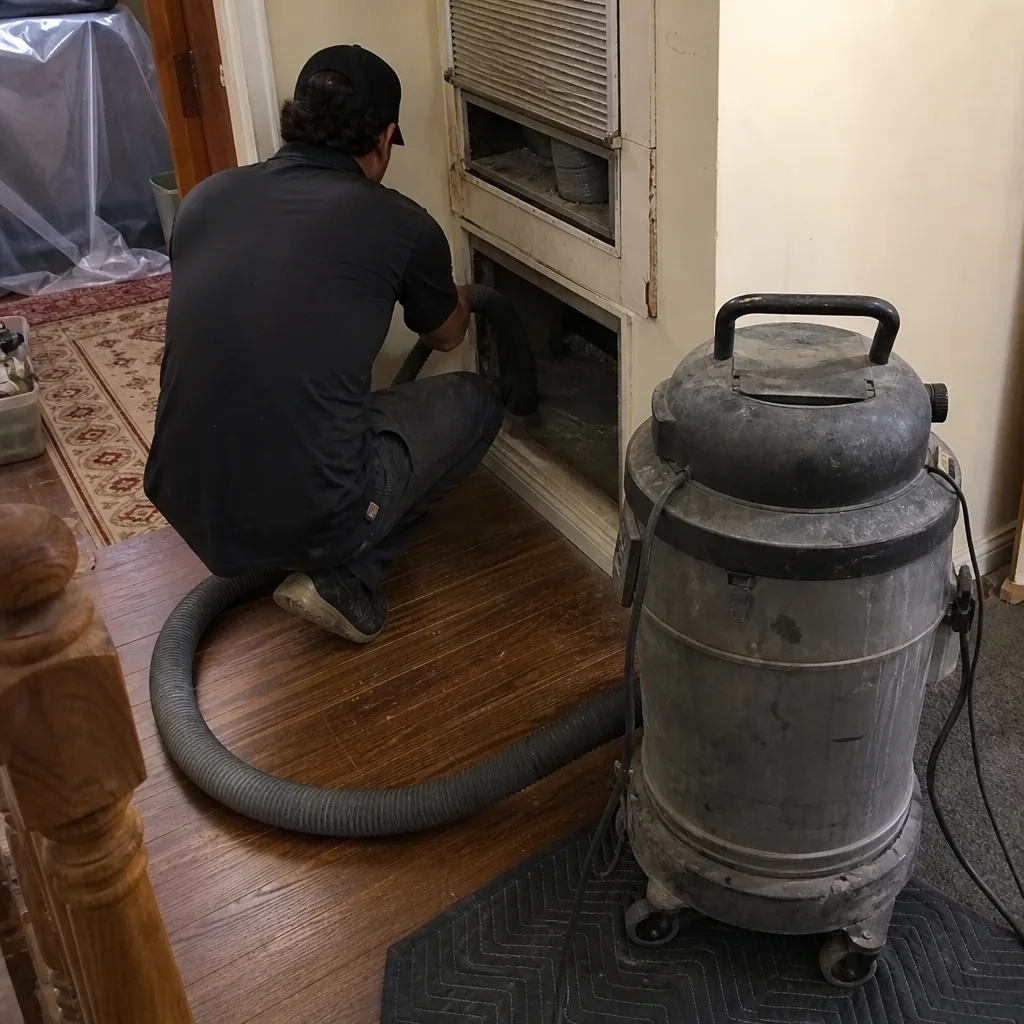
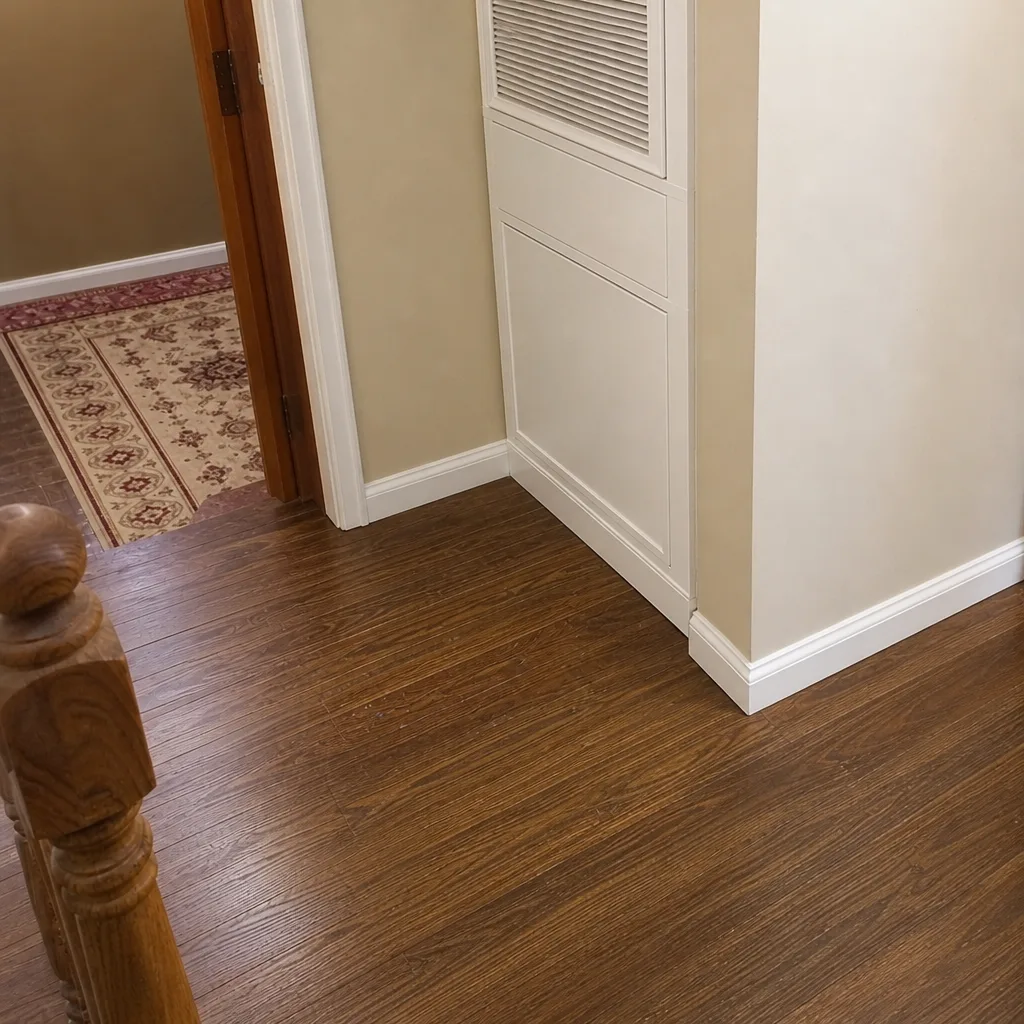
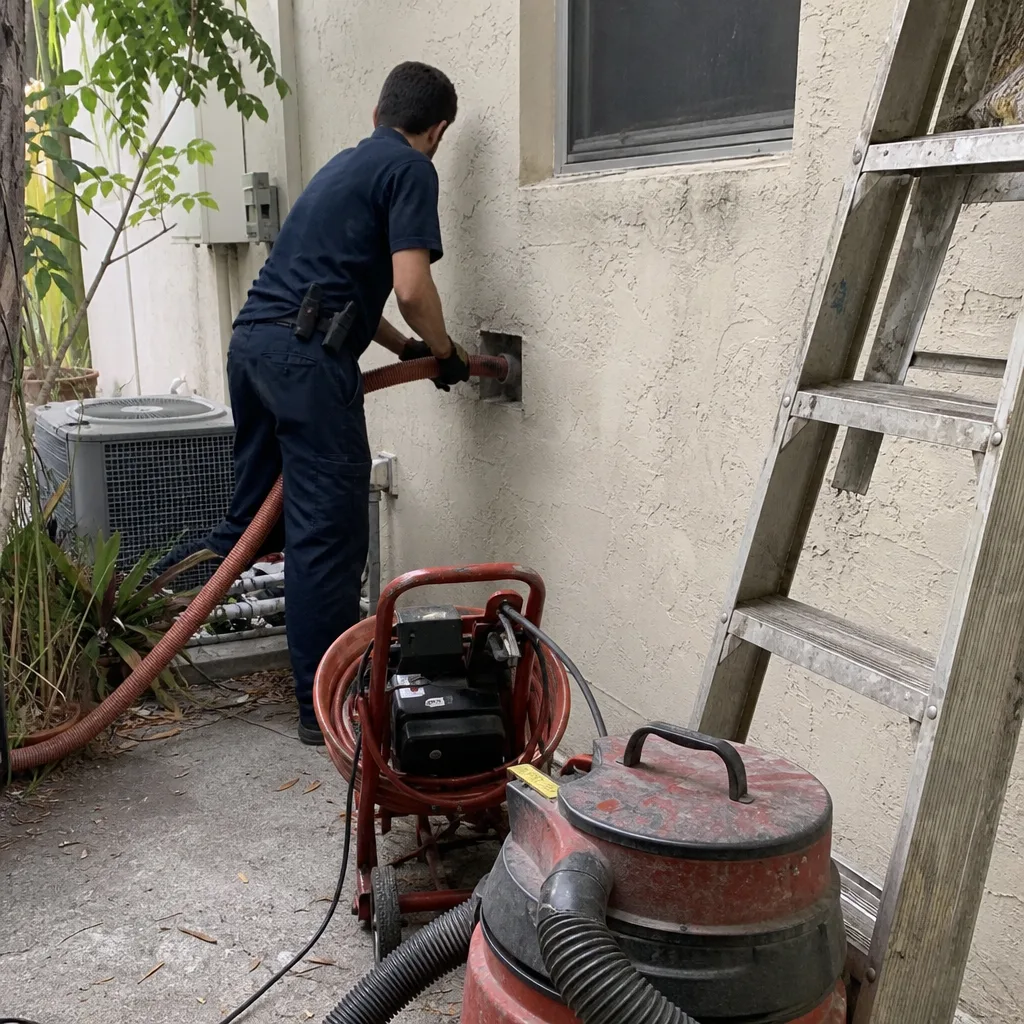
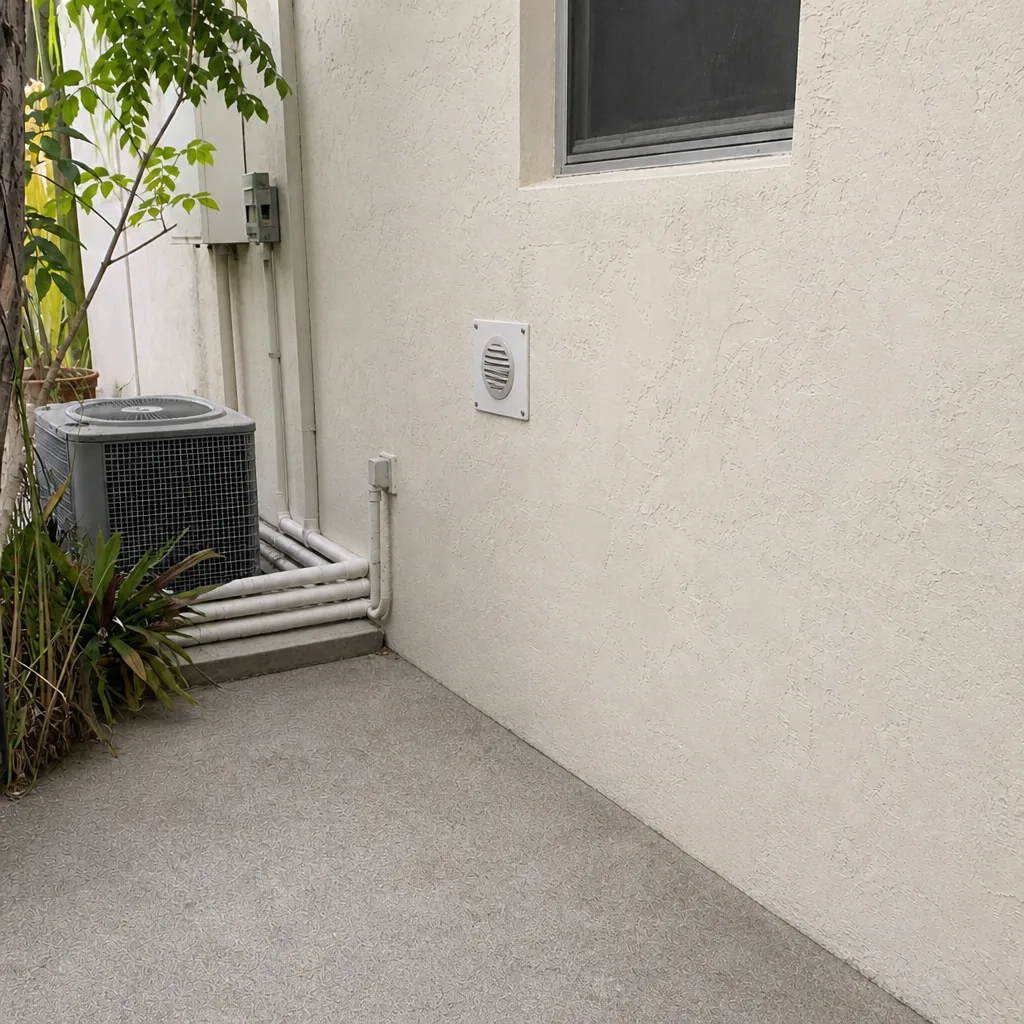
Whole-system duct and dryer vent check with before-and-after photos - you see exactly what came out of your vents
That "$99 whole-house special" is a bait ad - the real number appears once they are in your hallway, or the "clean" is a shop-vac at the register. We photograph the inside of your ducts before and after instead.
Seasonal Air Duct Cleaning Care for Pompano Beach: Year-Round Homeowner’s Guide
Most duct cleaning advice you’ll find online assumes four seasons: a spring tune-up, a fall tune-up, and a winter shutdown in between. That calendar doesn’t fit Pompano Beach. Here, the air conditioner runs most of the year, humidity is the real seasonal marker, and the biggest thing on the horizon isn’t frost – it’s storm season. Organizing duct care around dry months, wet months, and the weeks before and after a tropical event is more useful than any generic seasonal checklist. In this guide we’ll walk through what each part of the year asks of your ductwork in Pompano Beach, what to inspect and when, and how filter choices and professional cleaning fit together across the calendar.
Quick Answer
The best time to schedule professional duct cleaning in Pompano Beach is the window from late April through May, before humidity climbs and storm season peaks. During the wet months from June through October, watch for musty odors and excess condensation and keep filters changed on schedule. The dry season from November through March is the right time for camera inspections, duct repairs, and any modifications, when moisture isn’t complicating the work.
Styles & brands we work with
- Whole-home duct cleaning
- Dryer vent cleaning
- Camera inspection
- Sanitizing & deodorizing
Table of Contents
- Why Pompano Beach’s Duct Calendar Looks Different
- The Pre-Storm Window (April-May): Your Best Cleaning Slot
- Wet Season (June-October): Managing Ducts When Humidity Tops 80%
- Post-Storm Protocols: What to Check After a Tropical Event
- Dry Season (November-March): Inspection and Repair Season
- Seasonal Filter Cycles: Matching MERV Ratings to the Calendar
- The Year at a Glance: A Month-by-Month Task List
- Cleaning vs. Repair: Knowing Which Problem You Have
Why Pompano Beach’s Duct Calendar Looks Different
In a four-season climate, duct care is built around the furnace and the air conditioner taking turns. Here, the air handler is working almost every day of the year, and the seasons you actually feel are dry and wet. That changes what matters. Instead of “before heating season” and “before cooling season,” the useful markers in Pompano Beach are the end of the dry season, the peak of summer humidity, and the arrival and departure of storm activity.
Relative humidity along this stretch of South Florida regularly climbs above 80% through the summer months. That single fact drives most of what goes wrong inside ductwork. Moisture in a duct system feeds microbial growth on the liner, loosens taped seams, and turns a small dust load into a sticky film that clings to the metal. When the system runs constantly, it also means debris is being carried through the ducts and into your living space every day rather than a few months a year.
The practical takeaway is this: in Pompano Beach, duct care is less about a spring and fall ritual and more about timing the work to the moisture calendar. Clean before the wet season loads the system. Inspect during the dry months when you can actually see inside a duct without condensation fogging the camera. Watch for post-storm water intrusion as its own event, separate from routine maintenance. We’ve found that homeowners who think in these terms get more out of a single cleaning than those who book on the traditional spring-and-fall rhythm.
One more local factor: many Pompano Beach homes are older, and older duct systems in this climate have often been patched, extended, or rerouted over the years. Flexible duct run through a hot attic, a return that was added to serve a converted garage, joints sealed with tape that’s been baking at attic temperatures for a decade – these are common. A seasonal care plan is the right frame, but the plan should account for the actual condition of the system, which is why an inspection matters as much as a cleaning.
The Pre-Storm Window (April-May): Your Best Cleaning Slot
If you clean your ducts once a year in Pompano Beach, do it between late April and the end of May. This is the most strategic window of the year, and the reasoning is straightforward. The dry season has just ended, meaning any residual moisture that built up over the winter has had months of lower humidity to dry out of the system. Humidity hasn’t yet climbed to its summer peak. And you’re still ahead of the busiest stretch of hurricane activity, which historically concentrates in August and September.
Cleaning in this window means your system goes into the hardest-working months of the year with clean supply and return pathways. It also means that if we open up the system and find a problem – a crushed flex run, a separated joint, a wet patch of insulation – there’s time to fix it before the load on the system peaks.
Here’s what to inspect before humidity climbs:
- Condensate management. Check the drain pan, the drain line, and the float switch. A slow drain that’s fine in April can overflow in July.
- Return air pathways. Look at the return grilles and the space behind them. If you can see dust buildup on the grille face, there’s more upstream.
- Access doors and panels. Confirm the air handler cabinet closes and seals. A gap here pulls hot attic air into the system all summer.
- Visible duct runs in the attic. Look for disconnected sections, sagging flex duct, or tape that’s hanging loose.
- Filter condition. A clogged filter entering the wet season puts extra strain on the system exactly when it’s working hardest.
We use a Rotobrush rotary brush system on every air duct cleaning job, which matters in this climate because a rotating brush actually contacts the duct wall and lifts the sticky, humidity-set film that a vacuum alone won’t move. Nikro negative-air equipment keeps the debris contained while it’s being pulled out rather than blown back into the room. And because the same tools are used in commercial restoration work, they’re built for the kind of load a South Florida system carries. Taking care of this in April or May, in a Pompano Beach home, means you’re not scheduling it in the middle of a storm watch.
Wet Season (June-October): Managing Ducts When Humidity Tops 80%
Once the wet season settles in, the goal shifts from cleaning to monitoring. Relative humidity above 80% is the norm in Pompano Beach through these months, and the duct system is exposed to it from two directions: the outdoor air that leaks into returns and cabinet gaps, and the condensation that forms on any cold surface in a humid space. You can’t eliminate either, but you can catch the signs early.
These are the warning signs that emerge fastest in a Pompano Beach wet season:
- Musty or damp odors when the system first comes on or when you walk into a room. This is often the earliest signal of moisture in the duct liner or on the coil.
- Condensation on registers or grilles. Water beading on a supply register usually means the air coming out is very cold and the room air is very humid. It can also point to a duct run that’s sweating in an unconditioned attic.
- Increased dust on horizontal surfaces that seems to return within days of dusting. In a house with compromised ductwork, this happens faster in summer because runtime is higher.
- Higher electric bills without a rate change. A system fighting a leaky, dirty duct network runs longer to reach the thermostat setpoint.
- Allergy symptoms that track with time indoors. If symptoms are worse at home than elsewhere, the duct system is worth a look.
During these months, the single most useful thing a homeowner can do is keep filters clean and watch for the signs above. If your home has a Honeywell or Aprilaire filter cabinet, this is also the season when the media needs the most attention, since the system is pulling more air through it. If you have a whole-home dehumidifier or an Aprilaire fresh-air component tied into the HVAC system, those are worth checking as well – we work with both brands and understand how they interact with the duct network, not just the ducts in isolation.
One thing not to do in the wet season: don’t open up ductwork yourself for a look. A disconnected duct run in a humid attic can start collecting condensation within hours, and putting it back together without the right materials or a proper seal can leave a gap that’s worse than what you started with. Watching for the signs is the homeowner’s job; opening the system is the technician’s.
Post-Storm Protocols: What to Check After a Tropical Event
A tropical storm or hurricane doesn’t have to flood your home to affect your ducts. Wind-driven rain finds its way into attics through ridge vents, soffit gaps, and roof penetrations. It can soak insulation that’s sitting against or above duct runs. It can push water into a wall cavity that a supply or return duct passes through. And it can create enough pressure differential to force humid outdoor air into places it never normally reaches.
If a storm has passed through Pompano Beach and your home didn’t flood, here’s what to check, in order:
- Attic insulation around duct runs. Look for wet or compressed insulation where ducts sit. Wet insulation against a duct run is the classic setup for moisture intrusion into the duct system itself.
- Visible duct connections. Flex duct can pull loose from a collar under pressure changes. Check every visible joint you can see from the attic access.
- Water stains on ceilings near supply registers. A stain isn’t always a roofline issue – it can also be a duct run that’s collecting and dripping moisture.
- Return grilles on exterior walls. Check the room air behind them and the wall cavity. A return on an exterior wall is a common place for wind-driven moisture to show up.
- Odor changes. A musty smell that appears within days of a storm is worth investigating rather than waiting out.
If anything looks wet or compromised, don’t run the system until it’s been assessed. A running air handler will pull humid air through the whole duct network and distribute whatever’s growing in a wet section into every room in the house. This is where duct repair becomes its own job, separate from cleaning. We repair ducts because cleaning a system with structural failures only buys time until the failure reintroduces the problem. In the aftermath of a storm, the right sequence is typically inspection, repair of anything compromised, then cleaning once the system is dry. When repairs involve more than a quick reconnection, our Abatement Technologies filtration equipment is the same standard applied in professional remediation work, and it’s what we’d want used in our own homes if a storm had pushed moisture into the duct system.
Dry Season (November-March): Inspection and Repair Season
The dry season is when the real diagnostic work should happen. From November through March, humidity drops, the system runs less, and – most importantly – you can run a camera through a duct and see what’s actually there instead of a fogged-up view distorted by condensation. This is the window for camera inspections, for any duct modifications or rerouting, and for repairs that need to cure. Duct sealant and mastic behave better in lower humidity, and a patch done during the dry season has time to fully set before the wet season loads the system again.
What to prioritize during the dry months:
- Camera inspection of the trunk and main runs. This is the only way to know the true condition of ductwork hidden in walls and attics. It also lets us identify and document any damage before it’s covered again.
- Duct repair and modification. Reconnecting separated runs, replacing crushed flex sections, resealing joints, correcting a return that’s undersized for the room it’s serving.
- Dryer vent cleaning. Lint buildup in a dryer vent is a fire risk regardless of season, but the dry months are an easy time to get it done without competing with other seasonal priorities. This is a life-safety service, not a comfort service, and it’s worth scheduling on the calendar.
- Full air duct cleaning if it wasn’t done in the pre-storm window. Cleaning during the dry season means the system is clean when humidity returns.
- Air quality component review. If you have a Honeywell or Aprilaire filtration cabinet, an Aprilaire humidifier or dehumidifier, or any air quality accessory tied into the system, the dry months are the time to look at whether it’s serving the home correctly.
A dry-season camera inspection in a Pompano Beach home often reveals things the homeowner couldn’t have known: a long run of flex that’s been pinched at a joist, a section that’s been disconnected since a renovation years ago, a return that pulls from a hot garage. Catching and fixing these in dry weather means the system is operating correctly when the wet season arrives, which is when you need it most. Visit our Pompano Beach page if you’d like to schedule a dry-season inspection.
Seasonal Filter Cycles: Matching MERV Ratings to the Calendar
Filter changes are the cheapest duct-protection step a homeowner has, and matching the filter to the season is a small adjustment that pays off over the year. The general principle: use a filter rated appropriately for the home and the household, and change it more often during the seasons when the system runs hardest.
A calendar for Pompano Beach that makes sense:
- April-May (pre-storm window): Install a fresh filter before the system goes into its heaviest runtime. If the household has allergy concerns, this is when a higher MERV filter earns its keep.
- June-October (wet season): The system runs nearly continuously, so plan on a shorter change interval. High-efficiency filters loaded with dust restrict airflow, which drives up energy use and can freeze a coil.
- November-March (dry season): Runtime drops, so a filter can stay in longer. This is the time to have any filter cabinet – Honeywell and Aprilaire are the two brands we stock and service – checked for correct sizing and seal.
Two things to keep in mind. First, higher MERV isn’t always better. A filter that’s too restrictive for the blower can reduce airflow more than it removes particles, and the trade-off differs by system. Second, the filter is only one link in the chain. Professional cleaning removes the debris that’s already in the ducts; the filter catches what’s coming in. Cleaning without an honest filter schedule is a short-lived fix, and a filter schedule without a periodic professional cleaning can’t address what’s already settled in the system. Both belong on the same calendar.
Dryer vent cleaning is its own calendar item and shouldn’t be folded into filter changes. Lint accumulates on a schedule that has more to do with how often the dryer runs than with any seasonal pattern. If you notice clothes taking longer to dry, get it looked at. For a dryer that’s cycling slowly, that’s the earliest sign, and it’s the same sign that shows up before lint becomes a fire risk. See our dryer vent cleaning service for a proper clearing.
The Year at a Glance: A Month-by-Month Task List
Here is a full-year duct care calendar for a Pompano Beach home, organized around the seasonal priorities above. Treat it as a template and adjust for the condition of your specific system.
- January: Check the filter, review the previous year’s notes, and identify any rooms that ran warm or cold last summer.
- February: Schedule a professional camera inspection if one hasn’t been done in a year. Dry weather makes the inspection more useful.
- March: Address any duct repairs identified in the inspection. This is the last month before the pre-storm window when repairs compete with other work.
- April: Book the annual air duct cleaning. Say yes to a before-and-after camera pass so you can see the change.
- May: Final pre-humidity checks: condensate line, float switch, filter, return grilles, visible ducts in the attic. Humidity climbs from here.
- June-September: Monitor. Change the filter on the short interval. Watch for the five warning signs above. Schedule cleaning if signs appear, but don’t wait for the peak of storm season if you can avoid it.
- October: As the wet season eases, do a post-storm assessment if anything came through, even if it wasn’t a direct hit.
- November-December: The dry season begins, so it’s inspection, repair, and dryer vent cleaning season. Get ahead of the next year.
This calendar is a starting point, not a rulebook. Homes with pets, recent renovations, or a household member with asthma may need more frequent cleaning. Homes with newer, well-sealed duct systems may need less. The value of writing it out is that it keeps duct care out of “when I get around to it” territory and into the recurring maintenance rhythm that keeps the system running the way it should in Pompano Beach.
Cleaning vs. Repair: Knowing Which Problem You Have
Dirty ducts and damaged ducts aren’t the same problem, and treating one as the other wastes money. Cleaning removes accumulated debris. Repair fixes the structural issues that let the debris, moisture, or unconditioned air in. If a run has been disconnected for a year, cleaning it will reveal a perfectly clean duct that’s still leaking into the attic. That’s a repair problem, and no amount of cleaning solves it.
The signs of a repair problem are usually:
- Rooms that never get comfortable no matter what the thermostat says
- A persistent musty smell that returns within weeks of cleaning
- Dust that comes back fast on horizontal surfaces
- Visible gaps, crushed sections, or disconnected runs in the attic
- A return that seems to pull air from a hot space rather than the living area
If any of these are present, an inspection is the right first call, not a cleaning. The order of operations matters: inspect, repair what needs repairing, then clean. Our air duct cleaning service is designed to fit into that sequence, and our separate Air Duct Repair service handles the structural side. Having both under one roof means the technician who finds the problem is the one who can address it, without a handoff between companies.
Common Mistakes to Avoid
- Treating duct cleaning as a fall chore. In Pompano Beach, the useful marker is humidity and storm season, not the traditional fall tune-up. Cleaning in October misses the hardest-working months of the year.
- Cleaning before repairing. If the duct system has a disconnect or a crushed run, a cleaning job is a temporary fix. Inspect first, repair, then clean.
- Skipping the post-storm look. A home that didn’t flood may still have wind-driven moisture sitting against a duct run. Waiting a month to check is waiting a month for humidity to make it worse.
- Cleaning only the visible parts of the system. A cleaning that skips the trunk and return runs isn’t cleaning the system, it’s cleaning the parts the eye can see. Ask for a before-and-after view of the inside of the ducts, not just the grilles.
- Assuming a higher MERV rating is always better. A filter that’s too restrictive for the blower can reduce airflow and drive up energy costs, which is the opposite of what a Pompano Beach homeowner wants in July.
- Scheduling dryer vent cleaning as an afterthought. Lint is the leading fire risk in a laundry setup, and it accumulates on its own timetable. It belongs on the yearly list, not in the “someday” pile.
- Hiring the lowest quote without asking what’s included. A price that doesn’t cover the returns, the trunk, and an inspection is a price for a partial job. Ask what the crew will actually do, and whether before-and-after photos are part of the job.
See the difference
 Before
 After
 Before
 After
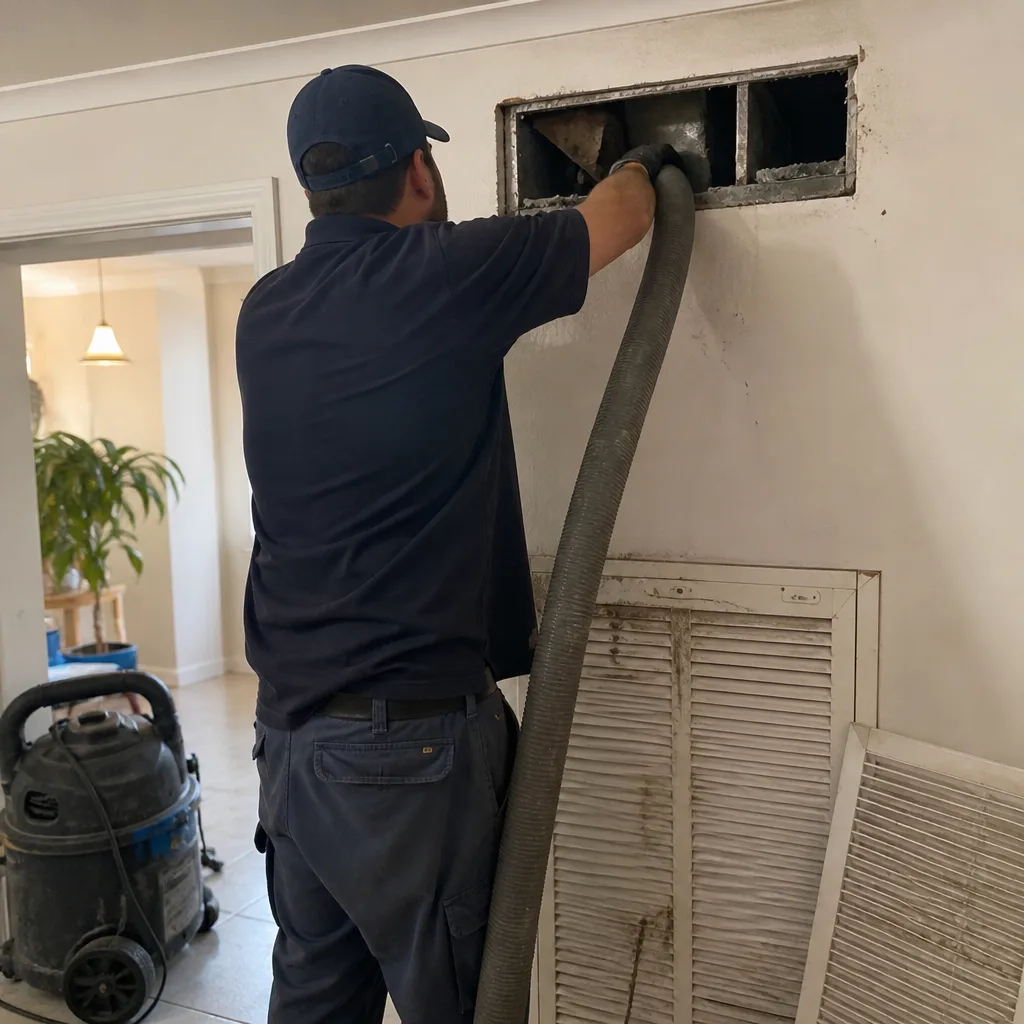 Before
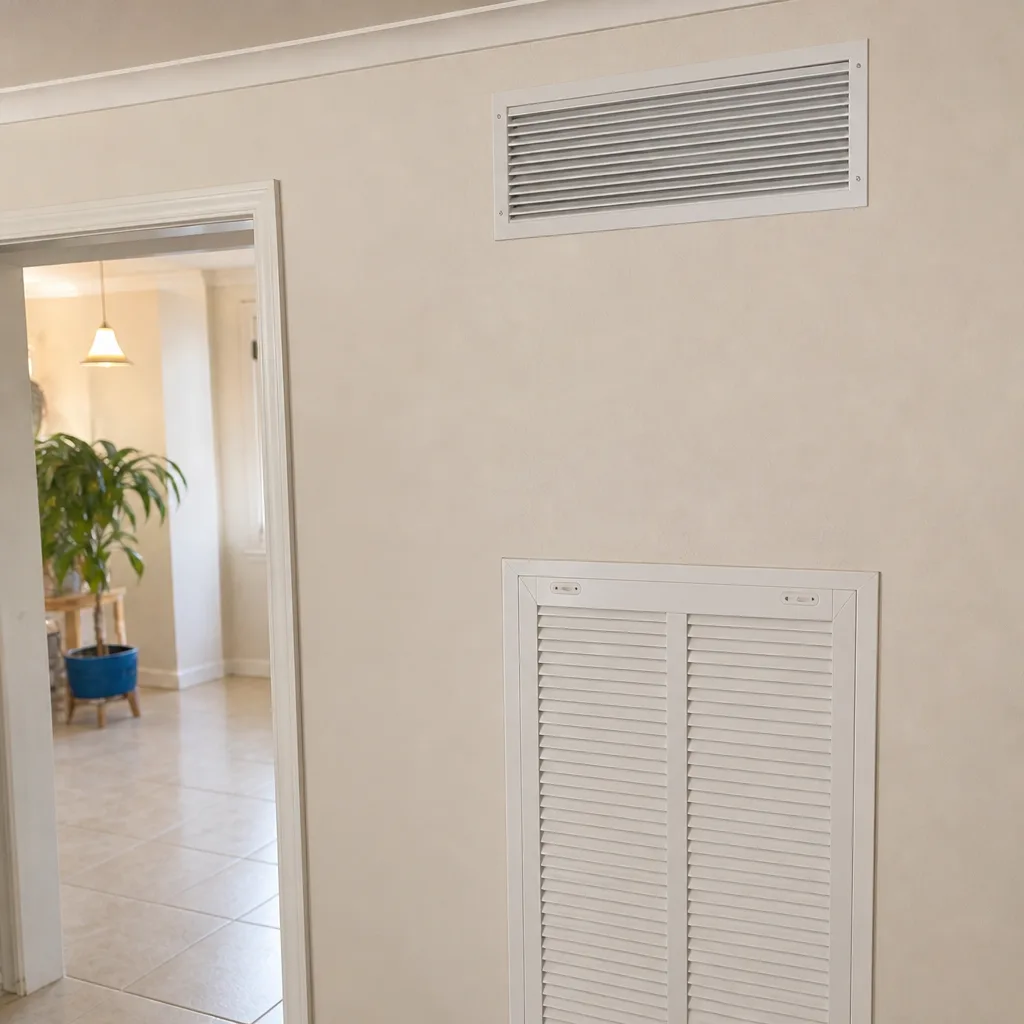 After
When to Call a Professional
Some seasonal tasks belong on the homeowner’s list: filter changes, visual checks of visible ducts, watching for odor or condensation. Other things belong with a trained technician. Call for an inspection if you’ve had visible mold near a register, if a storm has passed through and you’re unsure about attic insulation near duct runs, if rooms aren’t staying comfortable, or if it’s been more than a year since your ducts were cleaned and the system gets heavy use. Also call if you’ve just finished a renovation – drywall dust settles into a duct network in a way that a homeowner can’t clean out. Valor Air Duct Cleaning offers free estimates in Pompano Beach, so an honest from-the-system assessment costs you nothing. Call (844) 795-4871 to book one.
Frequently Asked Questions
Late April through May is the best window. It follows the dry season, so any residual moisture has had time to dry out, and it comes before the wet season and peak storm activity. Cleaning in this window means the system is clean going into its heaviest-working months. Call (844) 795-4871 for an exact quote – estimates are free.
Not every storm, but every storm that pushed water or wind-driven rain into your attic or wall cavities. If you can see wet insulation near a duct run, water stains near a register, or notice a new musty smell within days of a storm, an inspection is worth it. Routine cleaning isn’t required after every event. Call (844) 795-4871 for a free estimate if you’d like an inspection.
For a typical Pompano Beach home, once a year is a reasonable baseline, with the pre-storm window as the preferred time. Homes with pets, recent renovations, or occupants with allergies may need it more often, and homes with newer, well-sealed systems may need it less. The condition of the specific system matters more than a general rule. Call (844) 795-4871 to talk through your situation – estimates are free.
Yes. When relative humidity regularly exceeds 80%, moisture in a duct system feeds growth on the liner, loosens taped seams, and turns dust into a sticky film on the metal. The fastest warning signs are musty odors and condensation on registers. If you’re seeing either, get the system inspected before the wet season progresses.
Because the low quote is usually for less work: a partial cleaning of the visible branches, no return or trunk work, no inspection, and consumer-grade equipment. A proper job uses professional-grade tools and covers the full system. We quote per system, not per vent, and we set a firm price before the work starts. Call (844) 795-4871 for an exact quote – estimates are free.
Ask for before-and-after photos of the inside of your own ducts, not stock images. A professional cleaning shows a visible change in the system you can compare. If you’re ever uncertain whether a job was done completely, an independent inspection is worth the time. Call (844) 795-4871 to book a free estimate.
The Bottom Line
In Pompano Beach, duct care follows the humidity and the storm calendar, not the traditional spring-and-fall model. Clean in the pre-storm window of late April through May while the dry season has left the system at its lowest moisture point. Monitor through the wet season for musty odors, condensation, and dust that keeps returning. Inspect and repair in the dry season when you can actually see inside the ducts. Keep filters on a season-aware cycle, and put dryer vent cleaning on the yearly list. Follow that rhythm, and your duct system goes into each season in the best shape it can be. If it’s time for a look, call Valor Air Duct Cleaning at (844) 795-4871. We answer 24/7. Fast dispatch from 7am to 7pm, Sunday through Friday. Estimates are free.
Written by the team at Valor Air Duct Cleaning, serving Pompano Beach since 2018.