
Last updated November 14, 2026
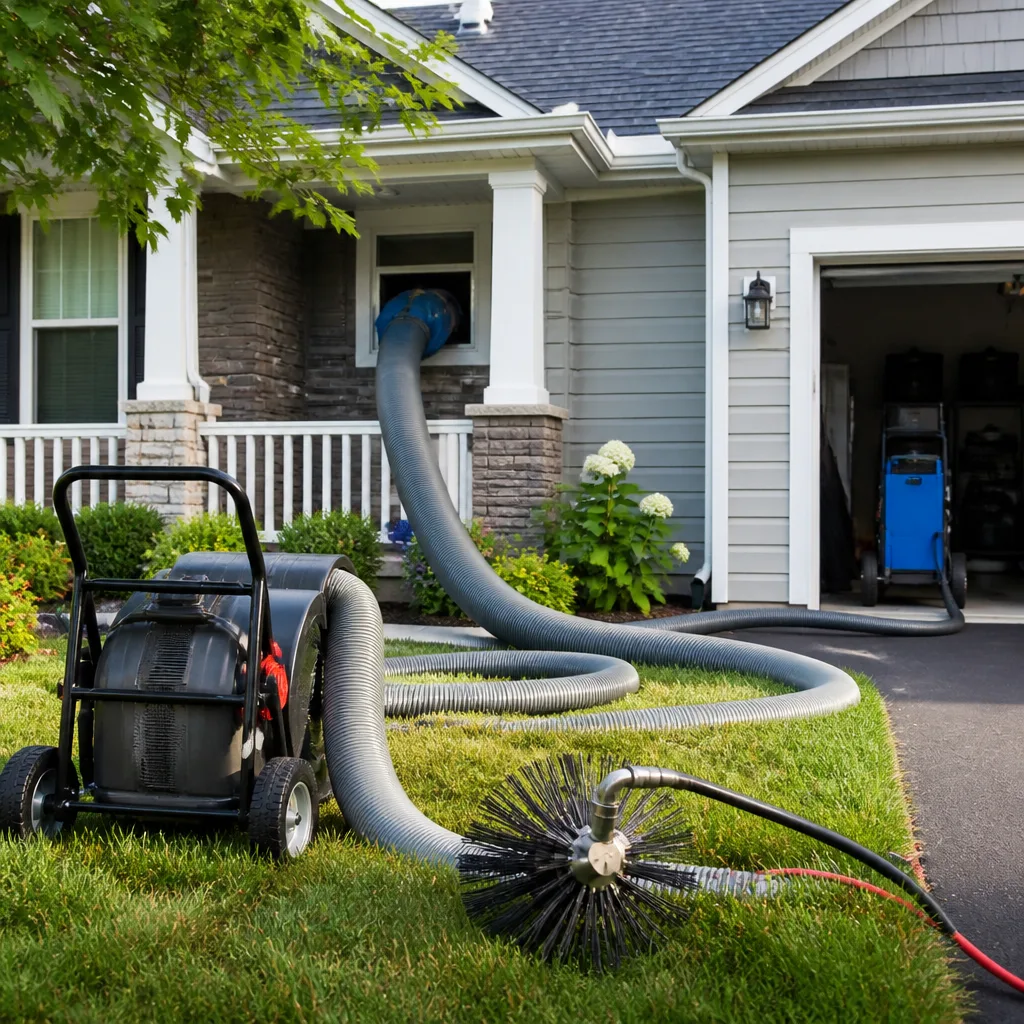 Whole-home duct cleaning
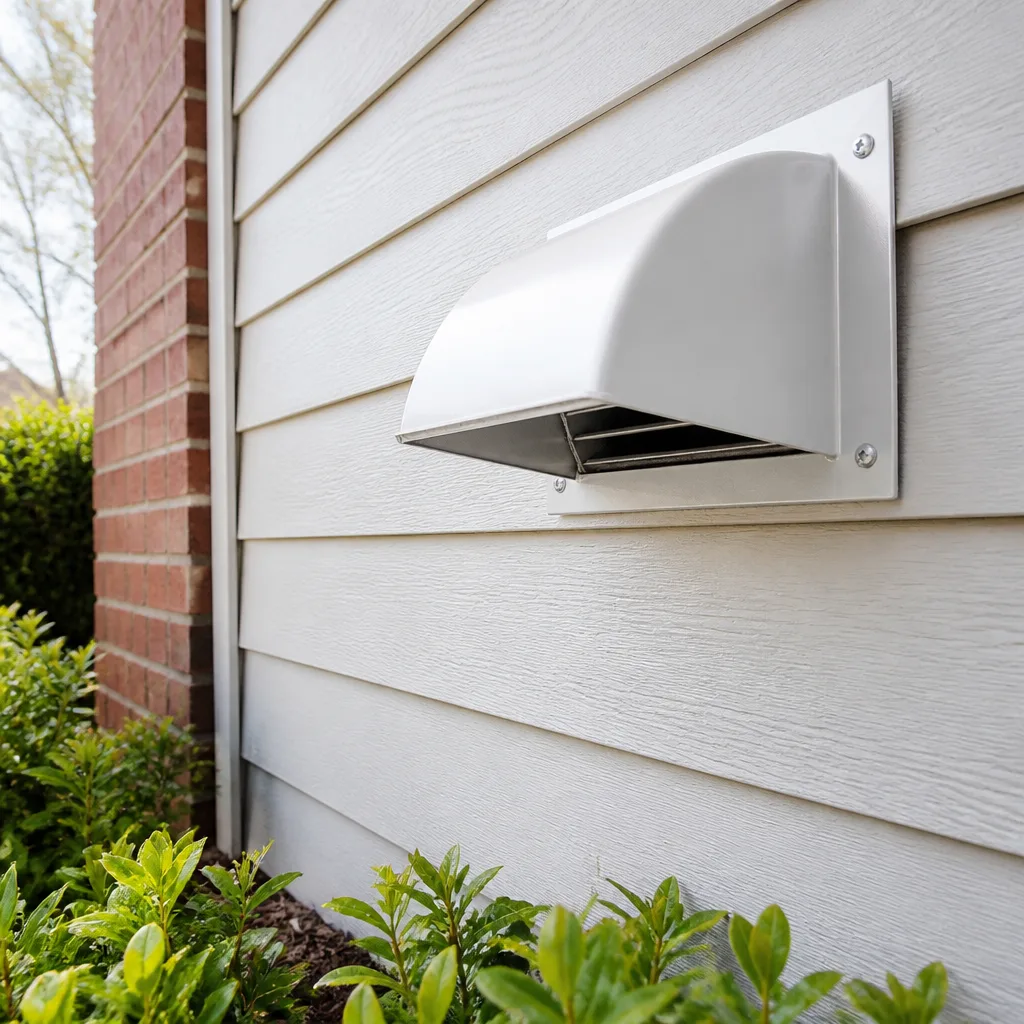 Dryer vent cleaning
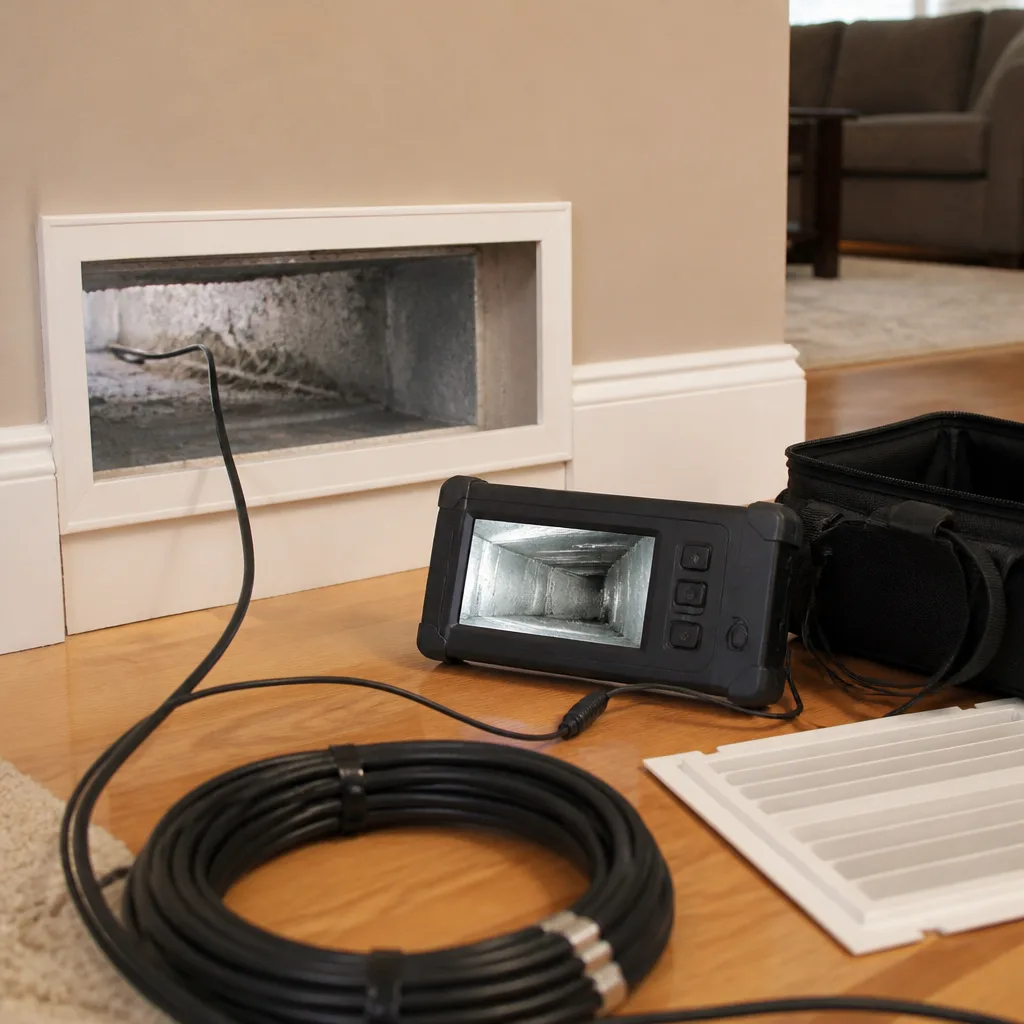 Camera inspection
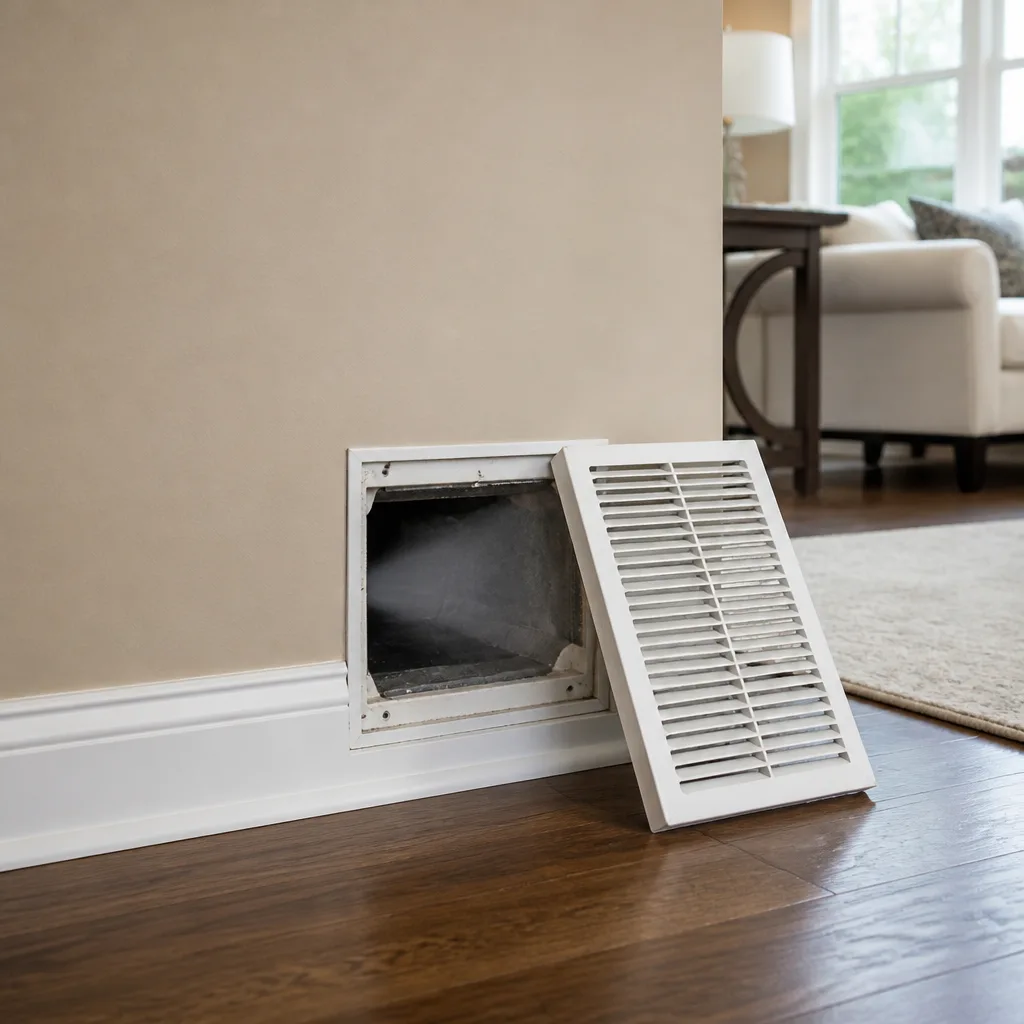 Sanitizing & deodorizing
Whole-system duct and dryer vent check with before-and-after photos - you see exactly what came out of your vents
That "$99 whole-house special" is a bait ad - the real number appears once they are in your hallway, or the "clean" is a shop-vac at the register. We photograph the inside of your ducts before and after instead.
The Complete Guide to Air Duct Cleaning in Pompano Beach
Most air duct cleaning advice you’ll find online was written for houses that get a real winter. Attics that freeze. Furnaces that run six months a year. Ducts that sit idle long enough to dry out. Pompano Beach doesn’t work that way. Here, the air conditioner runs most of the year, the humidity never really leaves, and the ductwork spends its life in a hot attic breathing moist air. That changes what collects inside your ducts, how fast it collects, and what it actually takes to clean them properly. This guide covers all of it: the local climate, the housing stock, the equipment that separates a real cleaning from a vacuum-and-go, and how to confirm the work was done.
Quick Answer
In Pompano Beach, air duct cleaning is a whole-system job: sealing the supply and return vents, putting the system under negative air pressure with professional equipment, agitating the duct walls with a rotary brush, and extracting the debris into a HEPA-filtered containment unit. Because the AC here runs 10 to 11 months a year and the attic air stays humid, ducts in Broward County homes accumulate dust, pollen and biological growth faster than in temperate climates, which makes a professional cleaning on a tighter cycle more defensible than the generic advice you’ll read elsewhere. A legitimate cleaning ends with before-and-after camera documentation of your own ducts, not a handshake at the door.
Styles & brands we work with
- Whole-home duct cleaning
- Dryer vent cleaning
- Camera inspection
- Sanitizing & deodorizing
Table of Contents
- Why Pompano Beach Ducts Get Dirty Faster
- Humidity, Biofilm, and Why the Cleaning Method Changes
- Flex Duct vs. Rigid Metal: What Your Broward County Home Has
- How Often Should You Clean Ducts in Pompano Beach?
- What Professional-Grade Equipment Actually Does
- The Cleaning Process, Step by Step
- How to Verify the Work Was Actually Done
- When the Problem Is Damage, Not Dirt
- Dryer Vents: The Fire Risk Hiding in the Same Attic
Why Pompano Beach Ducts Get Dirty Faster
Start with the runtime. A house in a cold climate might run its air handler four or five months a year. A house in Pompano Beach runs it almost continuously. Every hour the blower moves air, it also moves dust, pollen, lint and whatever else is suspended in the return air past the filter and into the duct system. Double the runtime, roughly double the exposure. The filter catches some of it. The rest settles on duct walls, and once it settles in a humid attic environment, it doesn’t just sit there. It becomes a growing surface.
Then there’s the geography. Pompano Beach sits between the ocean and the Everglades, which means the air that gets pulled into your return is warm, salty in places, and carries a heavy load of fine particulate. That’s not a marketing line; it’s the reason filters load up faster here than the manufacturer’s replacement interval suggests. A filter that looks fine at three months in a dry climate can be visibly grey in Pompano Beach well before that.
The third factor is the house itself. Much of the housing stock in this part of Broward County was built in the decades after World War II, and a lot of it is concrete block with attic-mounted air handlers and flex duct runs. Concrete block is a good building material in a hot climate, but it does nothing to seal an attic from outside air, and attic temperatures here push past 130°F on a summer afternoon. Ducts in that environment expand, contract and bake. It’s a harder life for ductwork than a conditioned basement, and it shows up as debris, condensation and eventually physical damage.
What this means for you is simple: the national cleaning guidelines are a starting point, not a local answer. For a full picture of how this plays out across the city, from Cresthaven to Kendall Green, our Pompano Beach service page breaks down the specific scenarios we get called for most.
Humidity, Biofilm, and Why the Cleaning Method Changes
Here’s the part most national guides skip. Dust is only half the problem in South Florida. The other half is moisture. When the AC runs, the evaporator coil pulls water out of the air, and that water has to go somewhere. Most of it drains out through the condensate line. But if a duct run is undersized, if the attic is especially hot, if supply registers are poorly sealed, or if the system short-cycles, you get condensation on duct surfaces. Condensation plus organic dust equals a food source and a wet place to grow. That’s how biofilm and mold colonization start inside ductwork.
Once that happens, the cleaning method matters more than the price. You can’t just blow air through the system; that aerosolizes spores into the living space. You can’t scrub with a shop vac; the vacuum isn’t strong enough to capture fine particulate and the filter isn’t fine enough to hold it. What you need is contact agitation, sealed negative pressure, and HEPA-level filtration at the collection point, which is exactly why our air duct cleaning work starts with containment rather than a wand.
In practice, that means three things change when we’re working in a Pompano Beach home rather than a dry-climate one:
- We inspect for moisture before we clean. If there’s active condensation on a duct run or growth visible inside the plenum, cleaning without addressing the cause just means you’ll be back in six months. Sometimes the answer is a repair, not a cleaning.
- The extraction runs longer and seals tighter. In high humidity, fine dust clings to duct walls instead of drifting loose. It has to be brushed off, not just vacuumed past.
- The final step is a moisture check, not just a visual. We want to know the ducts are dry before we close them up, because a wet duct left in a hot attic is a problem that grows.
We stock and service Honeywell and Aprilaire air quality components because the ducts don’t exist in isolation. Filtration, humidity control and duct integrity are one system, and a cleaning that ignores the other two is half a job.
Flex Duct vs. Rigid Metal: What Your Broward County Home Has
Walk into any cleaning job in Broward County and you can usually tell within five minutes what you’re working with. The two dominant duct constructions here behave very differently, and they collect different things.
Flex duct in attic plenums
This is the most common setup in South Florida homes built or retrofitted since the 1980s. Flex duct is a wire helix wrapped in insulation and an inner liner, run through the attic from a central plenum to each register. It’s cheap, fast to install and flexible enough to route through tight attic spaces. It’s also the more forgiving target for contamination and the harder one for the homeowner to inspect. The corrugated inner liner traps dust on its ridges, the insulation can sag over time, and the soft walls can be crushed or kinked by an installer who was in a hurry, which cuts airflow and creates a dead spot where debris accumulates. A standard shop vac can’t get into a flex run without damaging it. A rotary brush system with adjustable tension can.
Rigid metal ductwork
Older homes and some custom builds use rigid galvanized metal duct with sealed joints. Metal is more durable and easier to clean thoroughly, but it has its own failure modes. Joints work loose. Duct tape dries out and peels off in the attic heat, opening gaps that pull hot, humid attic air into the supply stream. Once that happens, the system is pulling in the very moisture you’re trying to keep out of the ducts. When we find loose joints during a cleaning, we document them and recommend repair rather than pretending we didn’t see it.
What each type means for your cleaning
- Flex duct needs a rotary brush sized and tensioned for the liner, plus enough negative pressure to keep the liner from collapsing inward. Handled wrong, the duct tears.
- Rigid metal takes aggressive brushing well but needs a joint and connection inspection before and after, because leaks upstream of the register are the most common reason a “clean” system still feels dirty.
- Both types in a Pompano Beach attic are running in high heat and high humidity, which means the seal at every connection matters more than it does in a dry climate.
How Often Should You Clean Ducts in Pompano Beach?
For most Pompano Beach homes, an annual cleaning cycle is more defensible than the widely cited three-to-five year guideline. That guideline was written for temperate climates where the system runs part of the year, and it doesn’t account for the combination of near-continuous AC runtime and attic humidity you get here. Annual cleaning is what the local conditions support. It’s not a mandatory schedule; it’s a sensible starting point, adjusted for your home.
Use these signals to decide whether you’re due for a cleaning sooner than the calendar says:
- Visible dust on registers or around the return grille within weeks of cleaning the room surfaces.
- Musty smell when the AC first kicks on, especially in the morning or after the system has been off.
- Recent renovation or construction anywhere in the home. Drywall dust goes straight into the return and stays in the duct wall.
- A new HVAC install or air handler replacement. The system should be clean before the new equipment runs, not after.
- Allergy symptoms that worsen indoors, particularly in the bedrooms, where return-side contamination is often heaviest.
- Persistent filter loading at the manufacturer’s suggested interval; if your filter is grey at three months, the ducts are already past their comfort margin.
- Pets in the home, which roughly doubles lint and dander accumulation in the return plenum.
If you’re on the fence, an inspection answers the question faster than a schedule does. A camera inspection tells you what’s actually inside the ducts and whether cleaning is warranted now or can wait.
What Professional-Grade Equipment Actually Does
This is where the difference between a real cleaning and a discount cleaning lives. A truck-mounted vacuum is better than nothing; a shop vac with a logo on it isn’t. Neither one holds negative pressure on a 2,000-square-foot duct system or captures fine particulate the way professional equipment does.
Our toolkit includes the Rotobrush rotary brush system, Nikro negative-air equipment and Abatement Technologies filtration. Those names matter because they’re the same tools trusted in commercial and restoration environments, not consumer equipment repurposed for residential work. Here’s what each piece does:
- Rotobrush rotary brush system. The brush rotates through each duct run, agitating the debris off the duct wall. That’s the critical step, because settled dust in a humid climate bonds to the wall rather than drifting loose. A vacuum alone passes over it. A brush removes it.
- Nikro negative-air equipment. This establishes controlled negative pressure inside the duct system before the agitation starts, so loosened debris is drawn toward the collection point instead of into your living space. That’s the containment step, and it’s the one that keeps spores and fine dust out of the air in the rooms you’re standing in.
- Abatement Technologies filtration. At the collection point, HEPA-level filtration captures fine particulate that a shop vac filter would pass straight through. This is the standard you’d expect on a mold remediation job, and there’s no reason your home should get a lower one.
- Camera inspection before and after. The inspection run is what turns a claim into evidence. Without it, nobody knows whether the duct was cleaned or just visited.
The pattern is this: negative pressure, contact agitation, HEPA capture, and documentation. Every step is required. A company that shows up with a wand and a vacuum is doing one of those four.
The Cleaning Process, Step by Step
A whole-system cleaning in a Pompano Beach home typically follows this order. Every step has a reason, and skipping any one of them is how a cleaning becomes cosmetic.
- System inspection and walkthrough. We identify the air handler, the supply and return runs, any obvious damage, and where the return plenum sits. We note anything that looks like a leak, a crushed run, or a moisture problem before touching a duct.
- Camera inspection of the ducts. Before cleaning, we document what the duct walls actually look like. This is the baseline.
- Register and vent sealing. Every supply and return opening is sealed so the negative pressure can actually build. An unsealed register is a pressure leak and defeats the whole setup.
- Negative pressure established. The Nikro equipment goes in at the collection point, pulling air toward the HEPA filter rather than into the rooms.
- Rotary brush agitation, run by run. Each supply and return line is brushed in sequence, with tool tension matched to the duct type. Flex duct needs a gentler brush; rigid metal can take more.
- Air handler and plenum cleaning. The components, not just the runs. This is where debris accumulates quickest and where cameras catch the worst of it.
- Post-cleaning camera inspection. We photograph the clean ducts, usually in the same spots as the baseline shots, and leave you with the record.
- Register reinstall, system check, and a walkthrough of findings. If we found damage, leaks, or a moisture issue, we tell you what we saw and what we recommend, with the camera documentation in hand.
For a service built around explaining what’s actually in your ducts, that’s the shape of a complete job. Professional-grade equipment, not a shop vac with a logo on it.
How to Verify the Work Was Actually Done
Before-and-after camera inspection is the single most reliable way to know a cleaning happened. Ask any duct cleaning company you’re considering whether they’ll show you their camera footage, and watch what happens to the answer. A straight yes, with a plan to leave you the photos, means you’re talking to a company that understands accountability. A deflection, a promise that “we’ll show you the before and after at the end of the job,” or a reluctance to put it in writing, tells you a lot.
Here’s how to check the work yourself, once the job is done:
- Look at the photographs. The before and after should show the same duct runs from the same angle. If they don’t align, you can’t compare them.
- Check the return plenum first. It sees the most debris in any home and is the clearest evidence of whether the job was done.
- Sniff the air. A musty smell that persists a week after cleaning means the source wasn’t addressed, either because the ducts weren’t cleaned or because there’s moisture upstream.
- Watch the register grilles. If dust is visibly settling within a few weeks of cleaning, something in the system is still shedding it. Sometimes the duct wasn’t cleaned. Sometimes it’s leaking. Either way, it’s worth a call.
- Confirm the system survived the job. A thorough cleaning shouldn’t change your airflow or leave a duct kinked or disconnected. Verify by feel at each register.
If a company can’t or won’t show you documentation, you don’t have a cleaning. You have a visit.
When the Problem Is Damage, Not Dirt
Dirty ducts and damaged ducts aren’t the same problem, and cleaning a damaged system doesn’t fix it. This is the part most cleaning-only companies won’t tell you, because they don’t do repairs. Loose joints, disconnected flex runs, crushed or kinked sections, sagged insulation, and gaps at the plenum all allow attic air to mix into your supply air. In a Pompano Beach attic, that mixing air is hot and humid, which means it’s carrying moisture straight into a system that spends its whole life trying to remove it.
We offer air duct cleaning as one service and duct repair as a separate, standalone one. That’s intentional. If we find a disconnected run, a collapsed liner or an open joint, we can fix it, not just note it on the paperwork and hand you a recommendation for someone else. Repair as a standalone service also means you can call us for a duct problem without booking a cleaning you don’t need. If you’re in a home where a “recently cleaned” system still smells musty or isn’t cooling evenly room to room, damaged ducts are one of the first things to check.
Dryer Vents: The Fire Risk Hiding in the Same Attic
The same attic that holds your ductwork usually holds the dryer vent run, and that run is a life-safety issue rather than a comfort one. Lint is highly flammable, and lint accumulation inside a vent line restricts airflow, which makes the dryer run hotter and longer. If your dryer is taking two cycles to get a load dry, or the top of the dryer is unusually hot to the touch, or the outside vent flap doesn’t open much when the dryer runs, the vent needs to be cleared.
Clearing it properly means running a tool the full length of the vent line, all the way to the outside termination, and verifying airflow at the end. A short brush into the first few feet of ducting doesn’t clear a long attic run. Our dryer vent cleaning covers the full line, and the outcome is measurable: the dryer cycles back to normal and the risk comes down. It’s the cleanest, most concrete thing we do.
Common Mistakes to Avoid
- Hiring on price alone. A very low quote usually means a shop vac and a wand, which agitates dust without capturing it. You pay less and get a dirtier house afterward, because the debris just resettles on your furniture and in your lungs.
- Assuming a “full system cleaning” is always what’s delivered. Some companies quote the whole house and clean only the return. In a home with a long attic run, that’s the difference between paying for a cleaning and paying for a photo op.
- Cleaning around a moisture problem instead of fixing it. In Pompano Beach, condensation on duct walls will re-grow biofilm within a season if the underlying cause isn’t addressed. Cleaning without drying is a coupon for a callback.
- Ignoring crushed or disconnected flex runs in the attic. A kinked flex line restricts airflow and creates a hotspot for dust collection. If nobody looks at the duct runs in the attic during the cleaning, nobody will find it.
- Skipping the dryer vent because it “isn’t HVAC.” It runs through the same hot attic, it’s the same class of problem, and it’s the one with a fire risk attached. If the dryer cycles are getting longer, get it checked.
- Accepting “we cleaned it, it looks great” as the whole report. Without before-and-after camera documentation, you have no way to verify what was done. Every legitimate cleaning should end with a photo record.
- Doing it yourself with a shop vac through the register. It doesn’t reach past the first few feet of ducting, and on a flex run it can tear the liner. The debris you do dislodge resettles everywhere.
See the difference
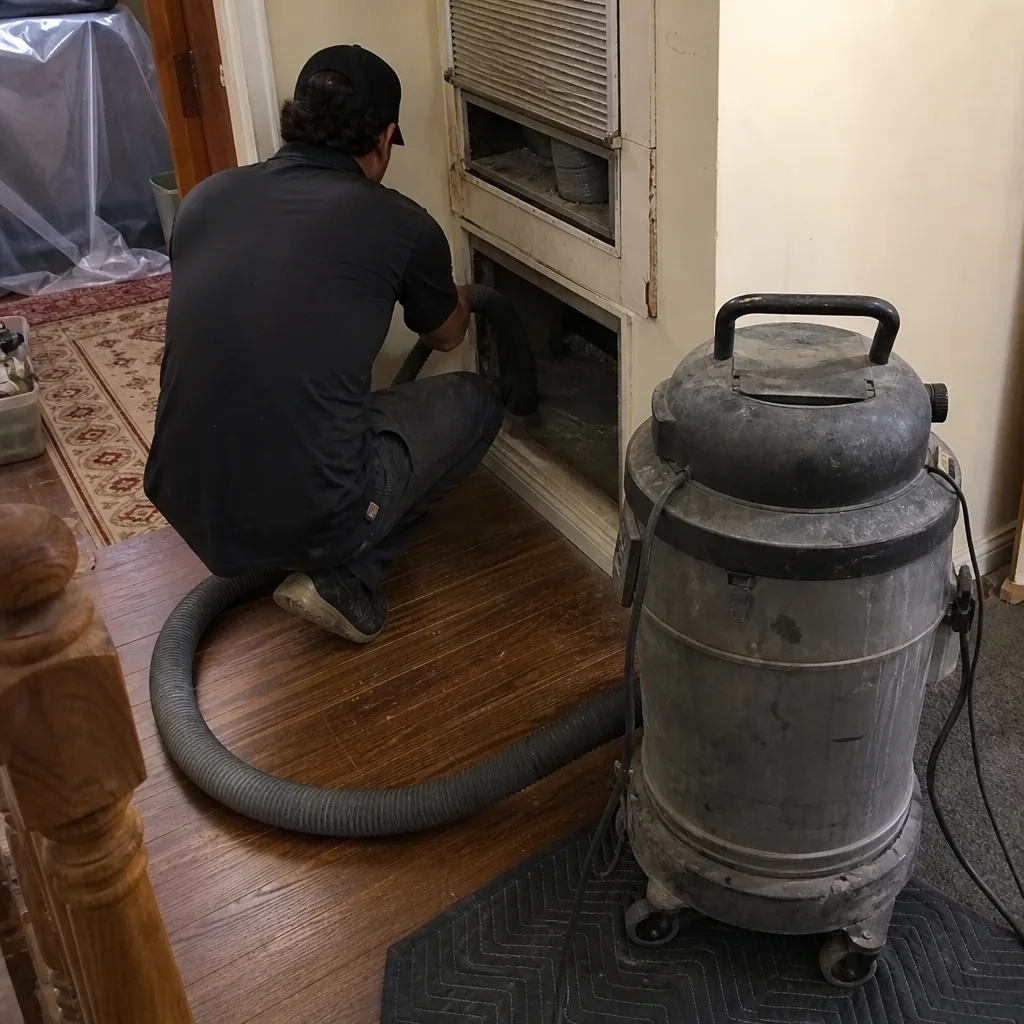 Before
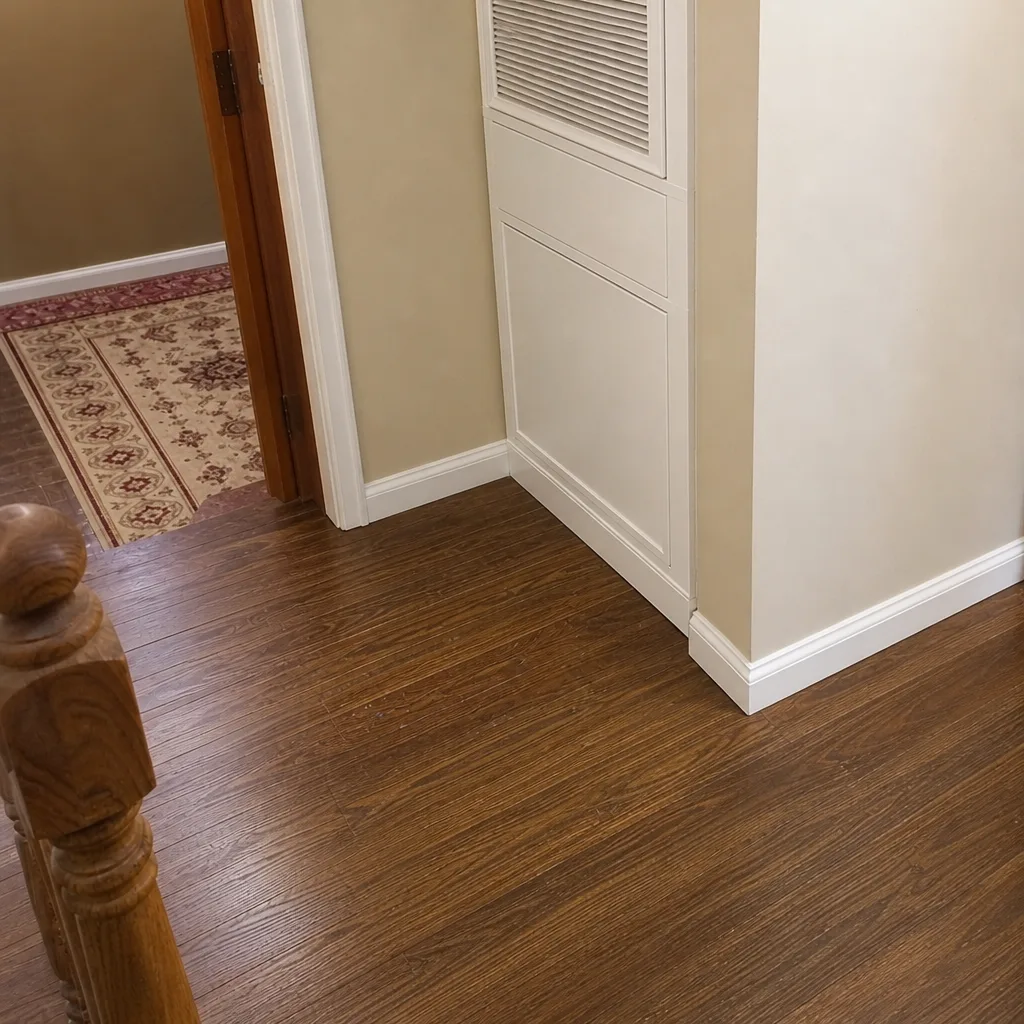 After
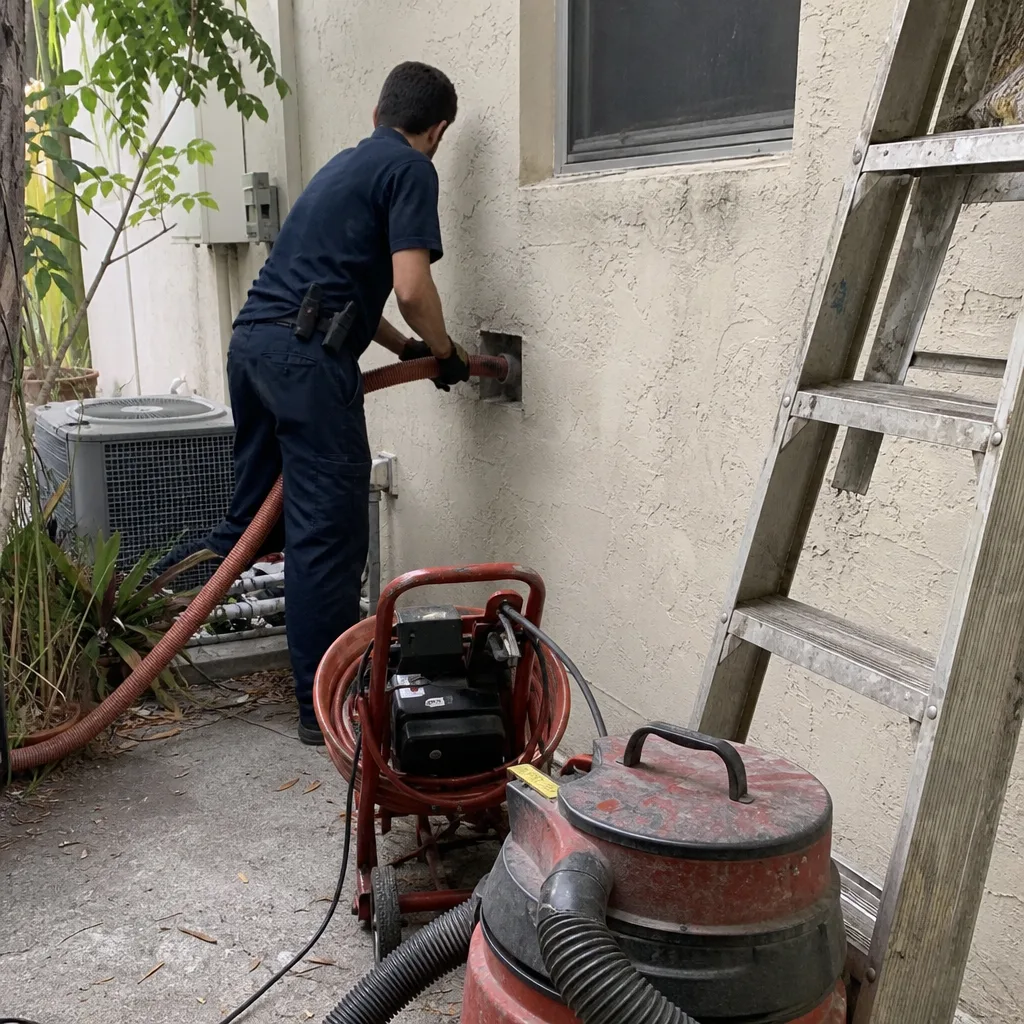 Before
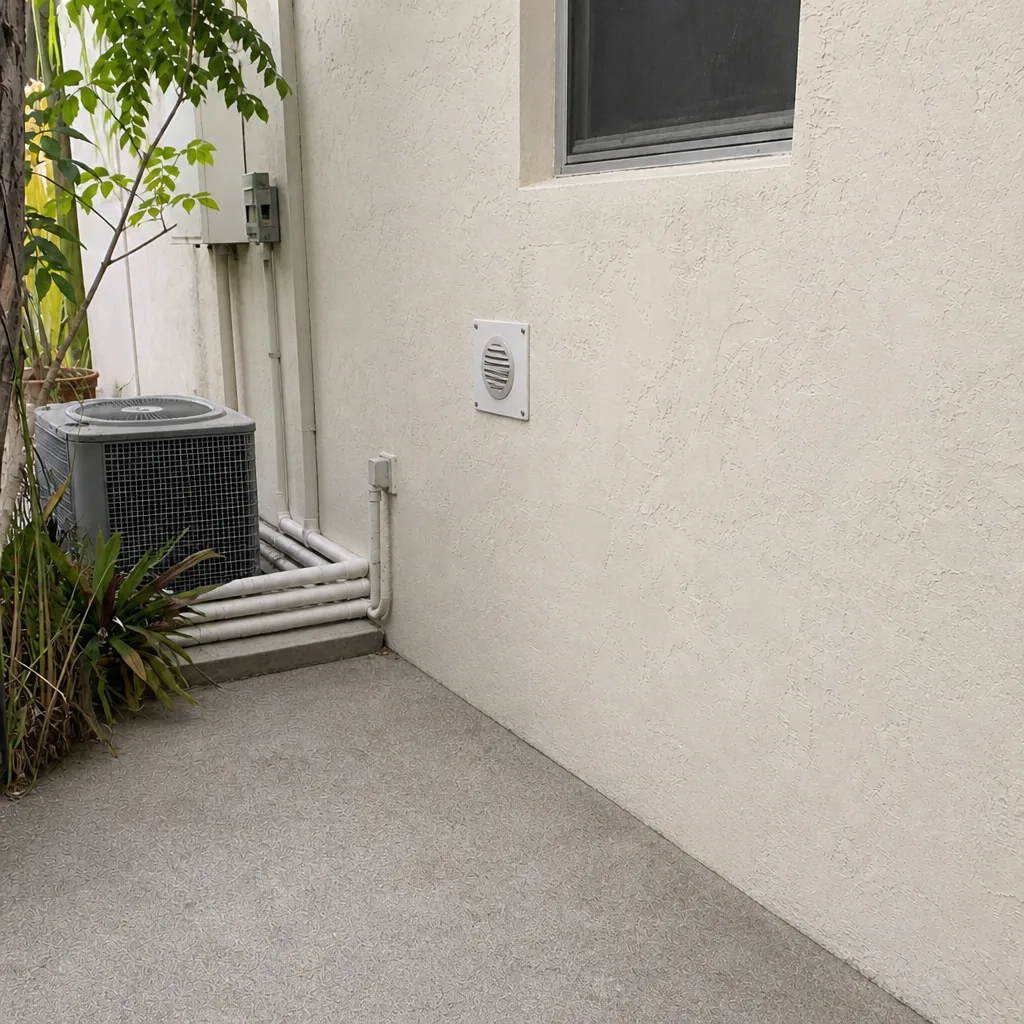 After
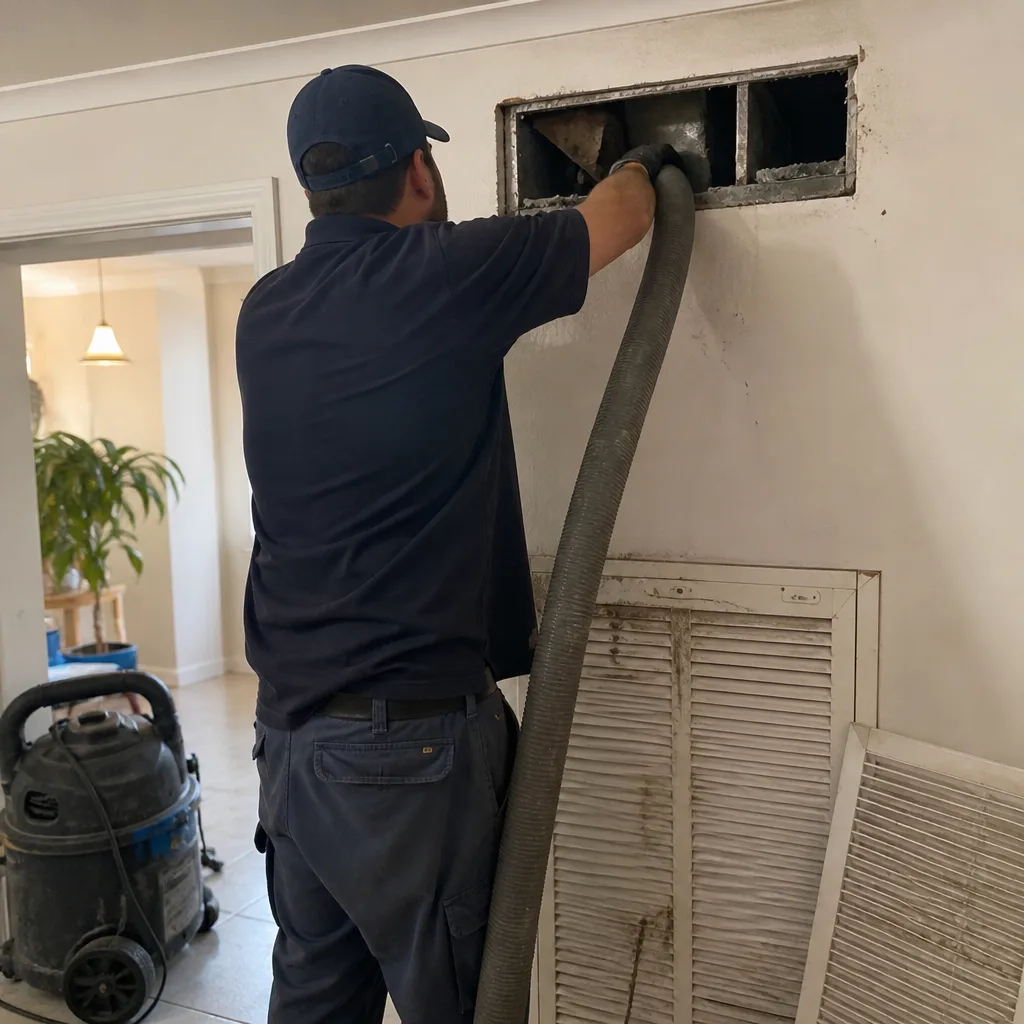 Before
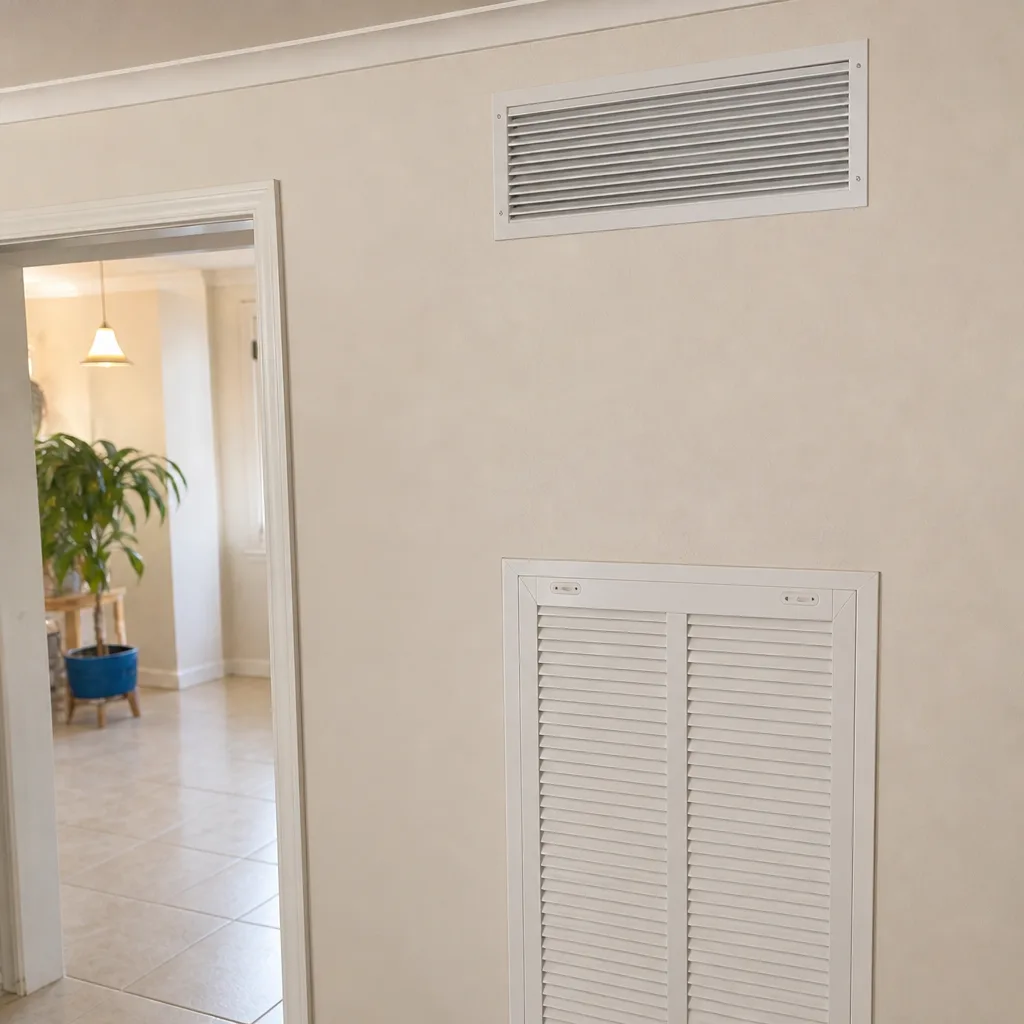 After
When to Call a Professional
Call a professional when the signals point past surface dust. A musty smell that returns every time the AC cycles on, visible dust settling on registers weeks after a cleaning, allergy symptoms that get worse indoors, a recent renovation or HVAC replacement, a dryer that takes two cycles to dry a load, or a system that cools unevenly room to room, all justify an inspection. In a Pompano Beach home, those signals are usually pointing at three possible causes: contamination that has bonded to the duct wall, moisture feeding biological growth, or physical duct damage. A proper inspection separates them. Valor Air Duct Cleaning offers free estimates in Pompano Beach. Call (844) 795-4871. We answer 24/7. Fast dispatch from 7am to 7pm, Sunday through Friday.
Frequently Asked Questions
Air duct cleaning in Pompano Beach is priced per system, not per vent, and the price is set by a written estimate after we’ve seen the system. That’s deliberate. Per-vent pricing rewards a company for counting registers and punishes you for a house with a long attic run, which is common in this market. The estimate you get before the work starts is the price you pay for that system. Call (844) 795-4871 for an exact quote; estimates are free.
Cheap quotes are usually cheap because the job is smaller than it sounds: a shop vac and a wand, no sealing, no negative pressure, and no post-cleaning camera inspection. That gap is not a discount; it’s a different job. In Florida humidity, the difference matters more than in a dry climate, because the debris that gets agitated without being captured ends up on your furniture and in the air. If the quote doesn’t mention containment or documentation, ask for both before you book.
Annual cleaning is a reasonable baseline for most homes here, given that the AC runs 10 to 11 months a year. The widely cited three-to-five year guideline doesn’t account for near-continuous runtime and attic humidity. Adjust up or down based on pets, renovation, allergies and visible dust, and let an inspection answer the question if you’re not sure. Call (844) 795-4871 and we’ll walk you through it.
Sometimes, and only if the smell is coming from the ducts rather than the air handler, the condensate pan or a moisture problem upstream. Cleaning removes the buildup; it doesn’t fix the reason for it. If the ducts have active condensation or biological growth, the fix is cleaning plus addressing the moisture source, and sometimes a duct repair. That’s why we inspect before we clean.
Cleaning reduces airflow restriction from debris buildup, which can support system performance, but we don’t quote savings percentages. Bills are driven by runtime, thermostat setpoint, equipment efficiency and envelope tightness more than by duct condition. What we can say plainly is that a restricted system works harder than a clean one, and that leaking or damaged ducts let hot attic air into the supply stream, which costs you money in Pompano Beach regardless of season.
Three things: air duct cleaning, dryer vent cleaning and air duct repair. One company, no handoffs. The duct repair piece is what sets this apart from cleaning-only operators, because damaged ducts and dirty ducts are two different problems and cleaning won’t fix a loose joint or a crushed flex run. All three are scheduled through the same phone line. Call (844) 795-4871. We answer 24/7. Fast dispatch from 7am to 7pm, Sunday through Friday.
The Bottom Line
Air duct cleaning in Pompano Beach is not the same job as air duct cleaning in a Chicago basement, and the guides that treat it that way leave out the variables that matter most here: year-round AC runtime, persistent attic humidity, the flex-versus-metal split in Broward County housing stock and the biological growth that humid ducts are prone to. The equipment matters, because only negative air, rotary agitation and HEPA capture can remove what humidity bonds to duct walls. The documentation matters, because before-and-after camera inspection is the only honest proof a cleaning happened. And the repair piece matters, because dirty ducts and damaged ducts are not the same problem. If any of that describes your home, the next step is an inspection. Call (844) 795-4871 for a free estimate. We answer 24/7. Fast dispatch from 7am to 7pm, Sunday through Friday.
If you’d like to see how Valor Air Duct Cleaning handles a whole-system job from first inspection to final camera walkthrough, start there.
Written by the team at Valor Air Duct Cleaning, serving Pompano Beach since 2018.