
Last updated November 14, 2026
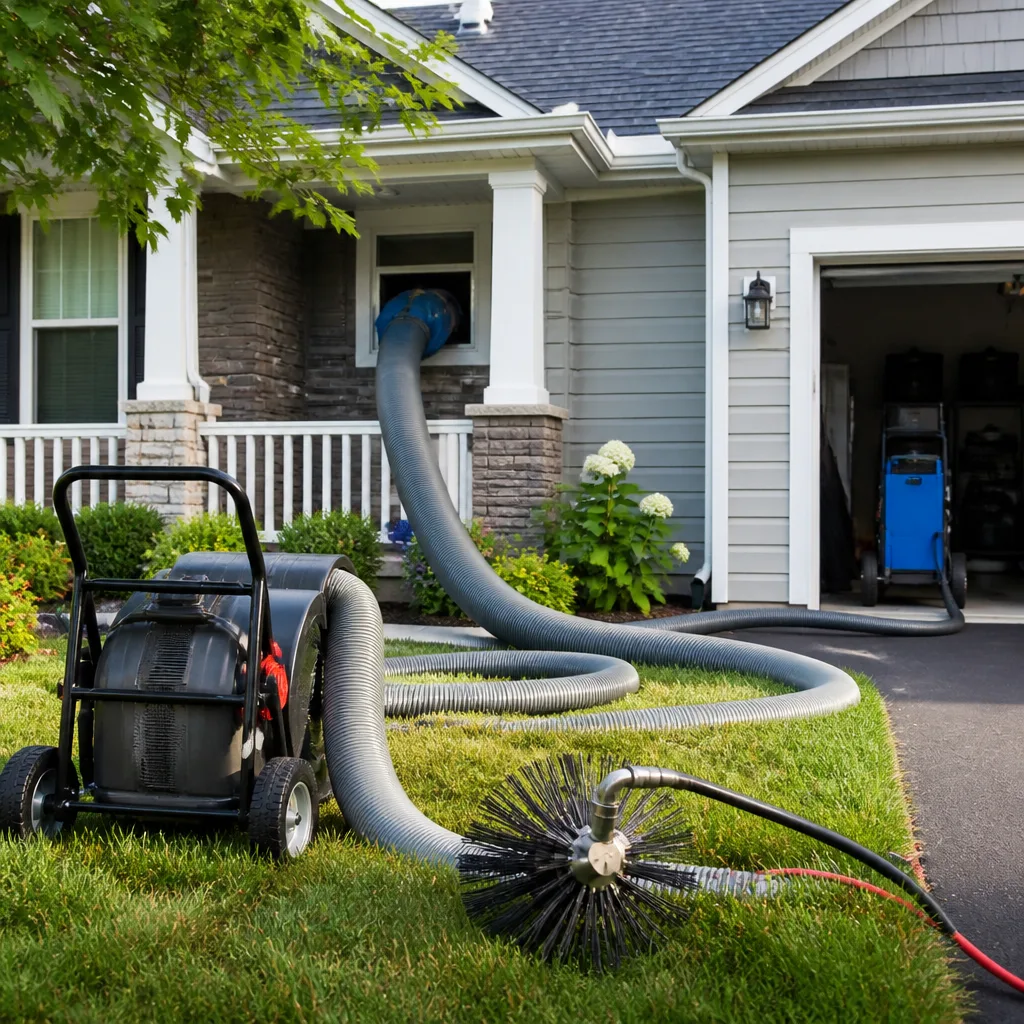 Whole-home duct cleaning
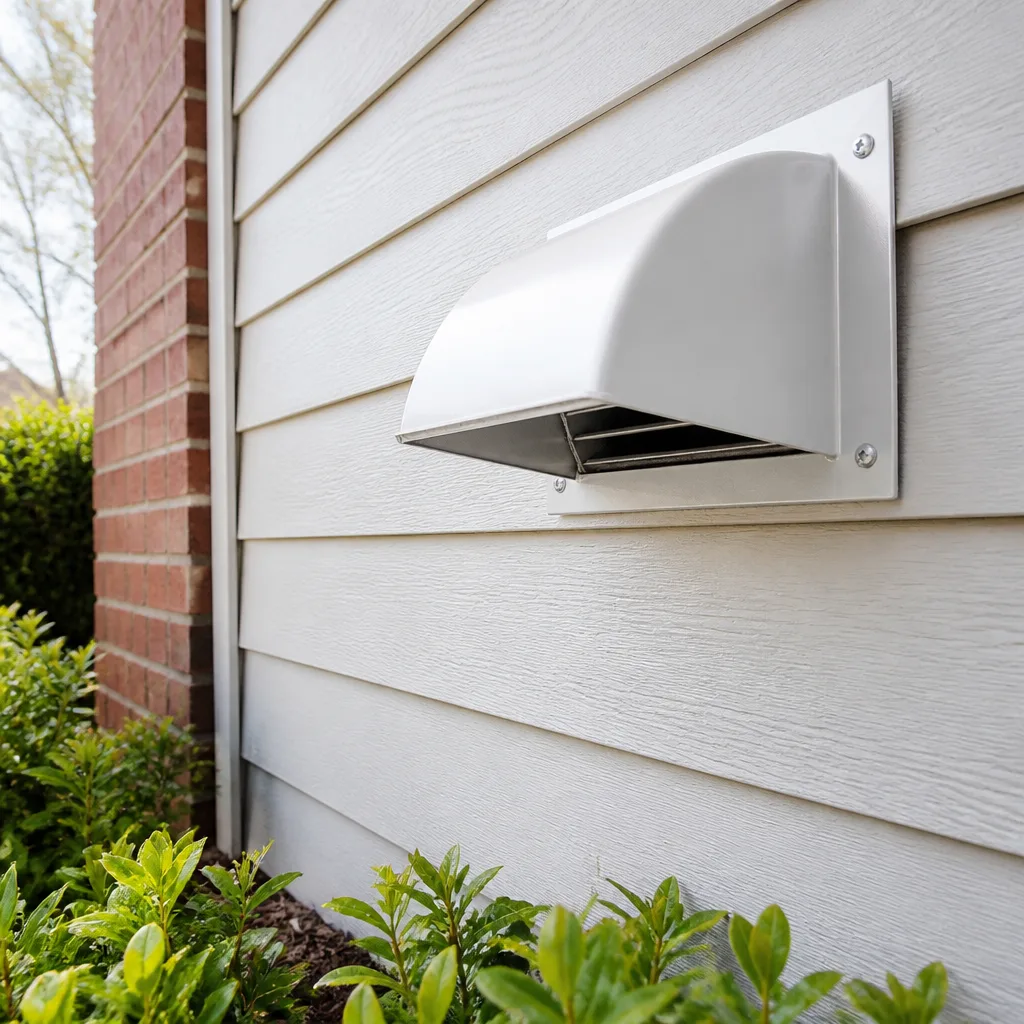 Dryer vent cleaning
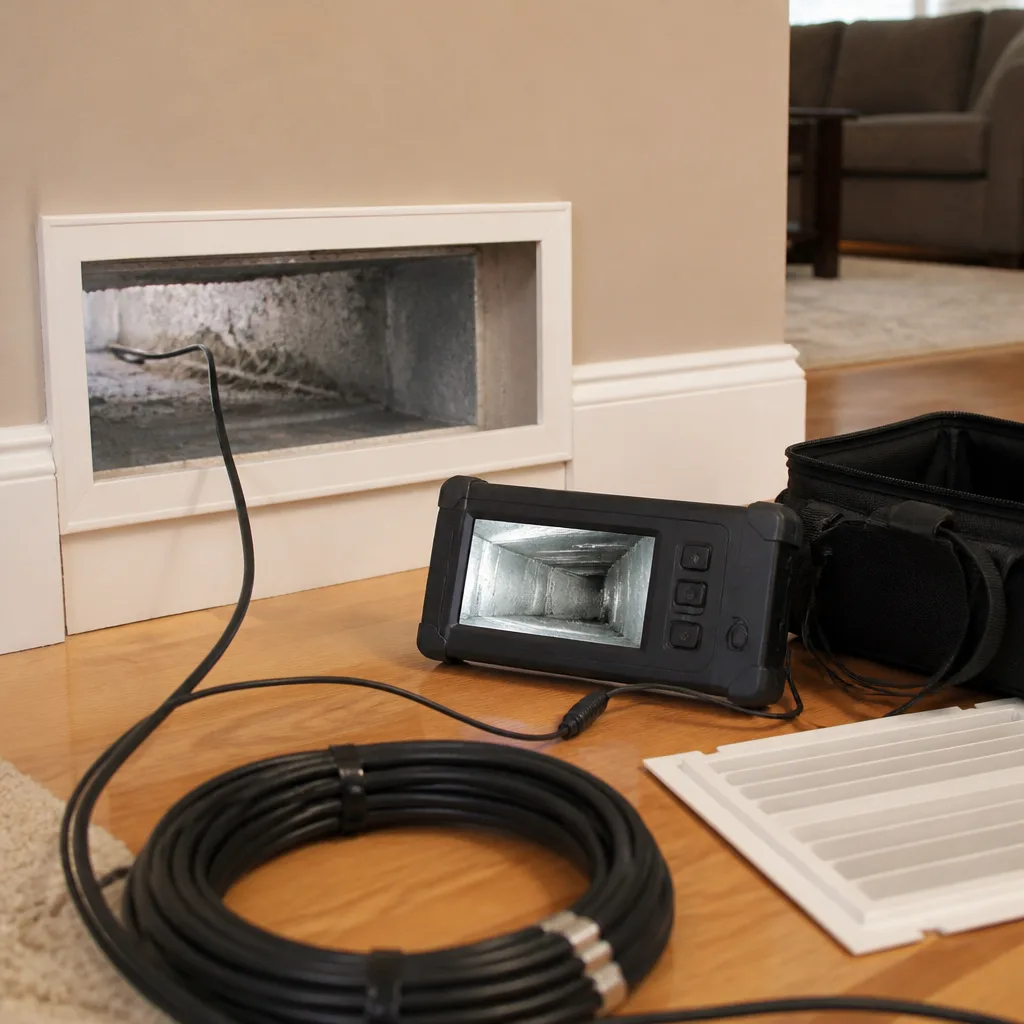 Camera inspection
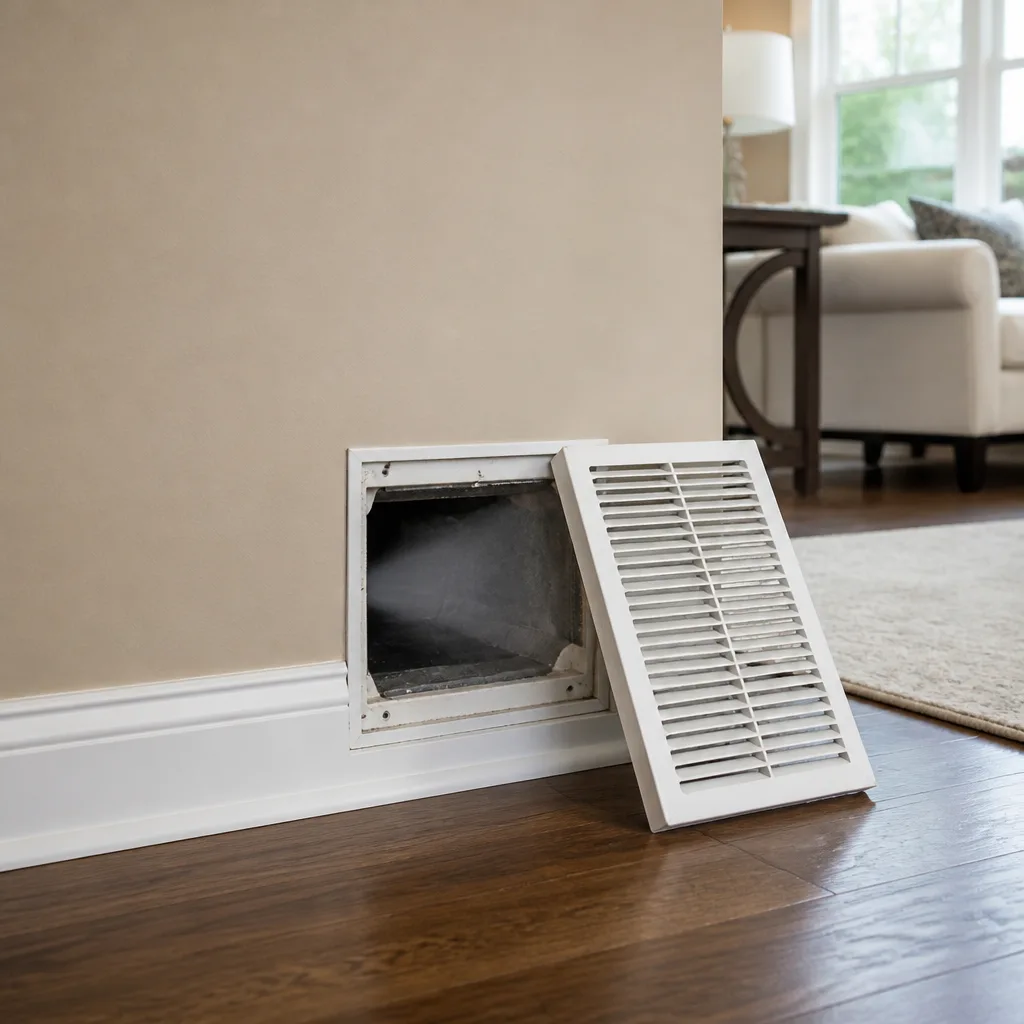 Sanitizing & deodorizing
Whole-system duct and dryer vent check with before-and-after photos - you see exactly what came out of your vents
That "$99 whole-house special" is a bait ad - the real number appears once they are in your hallway, or the "clean" is a shop-vac at the register. We photograph the inside of your ducts before and after instead.
Air Duct Cleaning Maintenance Checklist for Pompano Beach Homeowners
If your duct cleaning checklist doesn’t include your drain pan and evaporator coil, you’re cleaning downstream of the contamination source, and your ducts will be dirty again within months. That’s the part almost every maintenance guide skips. In a Pompano Beach home, the air handler runs hard for most of the year, and the wet season pushes indoor humidity high enough that a wet coil and a standing drain pan become a growth surface. Ducts downstream of that get re-seeded fast. This guide gives you a sequenced, humidity-aware maintenance rhythm built around the parts that actually feed your ductwork, so the cleaning you pay for holds up.
Quick Answer
A workable duct maintenance rhythm for a Pompano Beach home means changing filters on a tight interval, checking the coil and drain pan before you think about the ducts, inspecting every supply and return grille each month, and scheduling professional air duct cleaning on the timeline your own photos tell you to. Cleaning air ducts before the coil and pan are healthy is a waste of money, because the source of the contamination is still running.
Styles & brands we work with
- Whole-home duct cleaning
- Dryer vent cleaning
- Camera inspection
- Sanitizing & deodorizing
Table of Contents
- Why Sequence Matters More Than Frequency
- A Month-by-Month Maintenance Calendar for Pompano Beach
- What to Check at Every Supply and Return Grille
- The Filter, Coil, and Duct Interdependency
- Wet Season and Post-Storm Protocols
- Documenting Duct Condition With Your Phone
- What You Can Do Yourself vs. What Needs Equipment
- The Dryer Vent Belongs on the Same Checklist
Why Sequence Matters More Than Frequency
Most homeowners ask how often to clean their ducts. The better question is in what order. Duct cleanliness is the last link in a chain that starts at the return grille, passes through the filter, crosses the evaporator coil and drain pan, and only then reaches the supply trunk. If any earlier link is dirty, everything after it gets dirty again. We’ve seen this pattern repeatedly in Pompano Beach, where year-round cooling means the system rarely gets a long rest.
Here’s the practical sequence that keeps a duct system clean longest:
- Return grille and filter slot. Confirm the filter is seated, the right size, and not collapsing into the slot.
- Filter. Replace it on the interval your home actually needs, not the one printed on the box.
- Evaporator coil. A fouled coil restricts airflow, raises humidity in the airstream, and pushes moisture problems downstream.
- Drain pan and drain line. Standing water in the pan is the single most common source of microbial growth we find feeding ductwork in South Florida homes.
- Supply and return ducts. Clean these only after steps one through four are handled.
Do this in reverse and you’ll pay for a cleaning that a wet coil undoes in a season. That’s the logic behind treating your ductwork as one connected pathway rather than an isolated line item. It’s also why a duct cleaning that ignores Valor Air Duct Cleaning style whole-pathway inspection tends to need repeating sooner.
A Month-by-Month Maintenance Calendar for Pompano Beach
Pompano Beach runs on two seasons that matter to your ductwork: the wet season from June through October, and the drier stretch from November through May. Your checklist should tighten during the wet months and relax slightly in the dry ones. This calendar is built around that split.
January through May (dry season)
- January: Replace the filter. Photograph every grille face and the inside of the return.
- February: Inspect the drain pan for standing water or a slimy film. Check that the drain line flows.
- March: Look at the evaporator coil for visible dust matting. If you see it, schedule a coil cleaning.
- April: Replace the filter. Re-photograph grilles and compare to January.
- May: Pre-wet-season walkthrough: grilles, registers, flex duct connections at the air handler, and the attic or closet where the unit sits.
June through October (wet season)
- June: Replace the filter. Confirm the drain pan is dry between cooling cycles, not just during them.
- July: Check humidity feel in each room. A clammy room often points to a duct leak or a supply register blowing short.
- August: Inspect grilles for new dust streaks or dark edges. Photograph and compare.
- September: Replace the filter. After any named storm, do the post-storm check listed below.
- October: End-of-wet-season review. If your photos show degradation, book professional cleaning.
Two filter changes a year is a reasonable starting point, but homes with pets, nearby construction, or a unit that runs constantly may need more. Let the filter, not the calendar, tell you.
What to Check at Every Supply and Return Grille
Grilles are your diagnostic windows. You don’t need tools to read them, and what you find there tells you whether the problem is surface dust, a filter failure, or a duct integrity issue. Walk from room to room once a month and look at each one.
At the return grille
- Dust mat on the grille face that reappears within days of wiping points to a filter that’s too thin, undersized, or bypassing at the edges.
- Dark staining around the frame suggests air is pulling through gaps rather than through the filter.
- Rattling or whistle under load can signal a return that’s too small for the system, which raises velocity and pulls more dust past seals.
- Lint or hair trapped behind the grille is normal in small amounts; thick accumulation means you’re behind on filter changes.
At each supply register
- Streaking on the wall or ceiling from a register means air is leaking past the boot or the duct isn’t sealed where it meets the drywall.
- Weak airflow in one room while others are strong points to a disconnected or crushed flex run. That’s a duct repair issue, not a cleaning one.
- Visible dust puffing out when the system starts is often a sign of debris sitting in the branch line.
- Condensation on the register face during the wet season can mean low airflow across the coil and a supply duct losing its insulation value.
Pompano Beach homes with older flex duct in a hot attic are especially prone to the weak-airflow pattern. Flex duct that sags or is crushed over a joist loses its shape and its flow, and no amount of cleaning fixes a crushed run. That’s a duct repair job, and it’s why we treat repair and cleaning as two different problems.
The Filter, Coil, and Duct Interdependency
These three parts work as one system, and a weak link in any of them contaminates the other two. Think of the filter as the bouncer, the coil as the humidifier, and the ducts as the delivery route. A bad bouncer lets dust into the humidifier, the humidifier holds moisture and grows it, and the delivery route carries it through the house.
The filter
A filter that’s too restrictive starves the system of airflow, which drops coil temperature and increases condensation. A filter that’s too thin lets dust straight through. Match the rating to what your air handler can actually pull, and replace it before it loads up. In a home with pets or near ongoing construction in Pompano Beach, that interval shrinks.
The evaporator coil
A dirty coil runs colder and wetter, and the moisture in the airstream climbs. That wet air is what carries growth spores into your supply ducts. Cleaning the coil before the ducts prevents the ducts from being re-contaminated. This is the point most checklists miss entirely, and it’s the one that makes the biggest difference in a South Florida climate.
The ducts
Ducts accumulate whatever the coil sends them. Professional-grade equipment matters here. We run the Rotobrush rotary brush system on every air duct cleaning job, paired with Nikro negative-air equipment so the debris we loosen is captured under negative pressure instead of settling onto your furniture. That’s the same standard applied in restoration environments, and it’s a different job than a shop vac with a logo on it.
Correct sequence: filter health, then coil and drain pan, then ducts. Get that order right and the cleaning interval stretches. Get it wrong and you’ll be booking again long before you should.
Wet Season and Post-Storm Protocols
The wet season from June through October is when Pompano Beach duct systems face their real test. Sustained humidity, heavy rain, and the occasional storm-related pressure drop all affect what’s moving through your airstream. Your checklist needs a few additions during these months.
During the wet season
- Check the drain pan weekly. A pan that holds water between cycles is a growth source. Keep the drain line clear.
- Watch for musty smell when the system starts. That’s a coil or pan signal, not a duct signal, in most cases.
- Confirm the filter isn’t getting damp. A wet filter is a contaminant, not a filter.
- Feel the airflow in each room monthly. Humidity makes weak airflow more obvious.
After any named storm
- Inspect the outdoor unit and any duct runs in the garage or attic for water intrusion or displaced insulation.
- Change the filter. Storms stir up debris, and the return is the first place it lands.
- Look at every supply and return grille for signs of moisture or new staining.
- Check the drain pan and line for clogs from debris or overflow during the outage.
- If the system was submerged or took on water, call a professional before running it. Ductwork that’s been wet needs inspection, and often repair, not just cleaning.
Post-storm is also when duct repair quietly becomes urgent. Wet insulation in a supply run loses its value, and a duct pulled loose by pressure or wind can dump conditioned air into an attic. Worth a look before the next heat wave.
Documenting Duct Condition With Your Phone
You can’t see degradation happening, but you can benchmark it. A simple photo log every couple of months tells you whether your ducts are holding up or quietly getting worse, and it gives any professional you call a real starting point instead of a guess. This is one of the most useful things a homeowner can do, and it costs nothing.
A simple documentation routine
- Pick a fixed set of angles. Every return grille face, every supply register face, and one wide shot of the air handler and drain pan.
- Use the same lighting and the same time of day. Phone flash on, ceiling lights off, so the shots are comparable.
- Add one close-up inside the return once the grille is off. Point and shoot.
- Date the photos in your phone’s gallery folder.
- Review every few months. New dust streaks, dark edges, or a wet pan will show up in the comparison.
When a technician arrives for professional service, those photos give a fast picture of what changed between visits. In our experience, homeowners who keep a photo log can tell whether a cleaning actually bought them a longer interval or whether a duct repair is the better use of the money. After the work is done, ask for before-and-after photos of your own ducts. Seeing the difference is the easiest way to know the job was actually done, and we provide them on every job.
What You Can Do Yourself vs. What Needs Equipment
There’s a real line between safe homeowner maintenance and work that needs professional-grade equipment. Most of the checklist is yours. A few items are not, and pushing past the line can damage ductwork or just waste your afternoon.
Safe for homeowners
- Replacing the filter on schedule.
- Wiping grille faces and vacuuming the visible portion of the return.
- Photographing and documenting grille condition over time.
- Checking the drain pan for standing water and confirming the drain line flows.
- Visually inspecting accessible flex duct runs in the garage or attic for crushing, sagging, or disconnection.
- Keeping the supply and return registers unobstructed by furniture or blinds.
Needs a professional
- Cleaning the inside of the duct system. Consumer vacuums can’t pull debris out of a branch line. It takes a rotary brush and negative-air equipment to loosen and capture it.
- Evaporator coil cleaning. A wet coil is a growth surface, and the work needs the right cleaners, access, and containment.
- Duct repair. Reconnecting, resealing, or replacing flex runs needs to be done so the system pressure stays balanced.
- Any work where microbial growth is suspected. Containment is the difference between cleaning and cross-contaminating the house. Abatement Technologies filtration in our toolkit is the same standard used in remediation work.
- Dryer vent cleaning inside the wall. This one is a life-safety item, not a comfort item. We’ll get to it below.
If you keep up the homeowner side and call for the professional side on the interval your photos suggest, you’ll spend less over five years than a homeowner who cleans reactively every time a smell shows up.
The Dryer Vent Belongs on the Same Checklist
A dryer taking longer to cycle is a signal, and the signal matters more than most homeowners realize. A clogged dryer vent is a fire risk, and clearing it is a measurable safety outcome, not just a convenience fix. That’s why we treat dryer vent cleaning as part of the same whole-home air pathway as the ducts themselves.
Add these to your monthly walkthrough:
- Feel the exterior vent flap while the dryer runs. Strong, steady airflow is good. Weak or fluttering flow is a sign of buildup.
- Touch the outside of the dryer during a cycle. A hot cabinet, especially near the top, points to restricted exhaust.
- Check the lint trap housing for lint bypassing the screen. If lint is collecting past the trap, the run needs professional attention.
- Look at the exterior termination for a crushed flap, a bird nest, or lint matting on the screen.
- Note the drying time. If cycles that used to finish in one pass now need two, the vent is the first place to look.
Homeowners in Pompano Beach with a long vent run through a hot attic should be especially attentive. Heat plus lint is not a combination to leave alone. Schedule the professional vent cleaning on the same visit as your duct service and you get the whole pathway handled by one company, with no handoffs.
Common Mistakes to Avoid
- Cleaning the ducts before addressing the coil and drain pan. The source keeps feeding the ducts, and the cleaning won’t hold. Handle the coil and pan first in any Pompano Beach home.
- Buying the highest-rated filter your system can’t handle. Too-restrictive filters starve airflow, drop coil temperature, and make the moisture problem worse. Match to the equipment.
- Hiring on price alone. A quote that’s dramatically lower than the rest usually means a shop vac, no negative air, and no containment. The low price isn’t a discount; it’s a different job.
- Skipping the post-storm check. Storm season in South Florida is when duct issues start. Snapping a few photos after every named storm catches problems before they become a repair.
- Ignoring a weak-airflow room. One room that never cools well is often a crushed or disconnected flex run. No amount of cleaning fixes a duct that isn’t connected.
- Treating the dryer vent as an afterthought. It’s the highest-stakes item on the checklist, and a clogged vent is a fire risk. It’s not just lint.
- Not asking for before-and-after photos. If you can’t see what was removed from your own ducts, you can’t tell whether the job was actually done. Ask every time.
See the difference
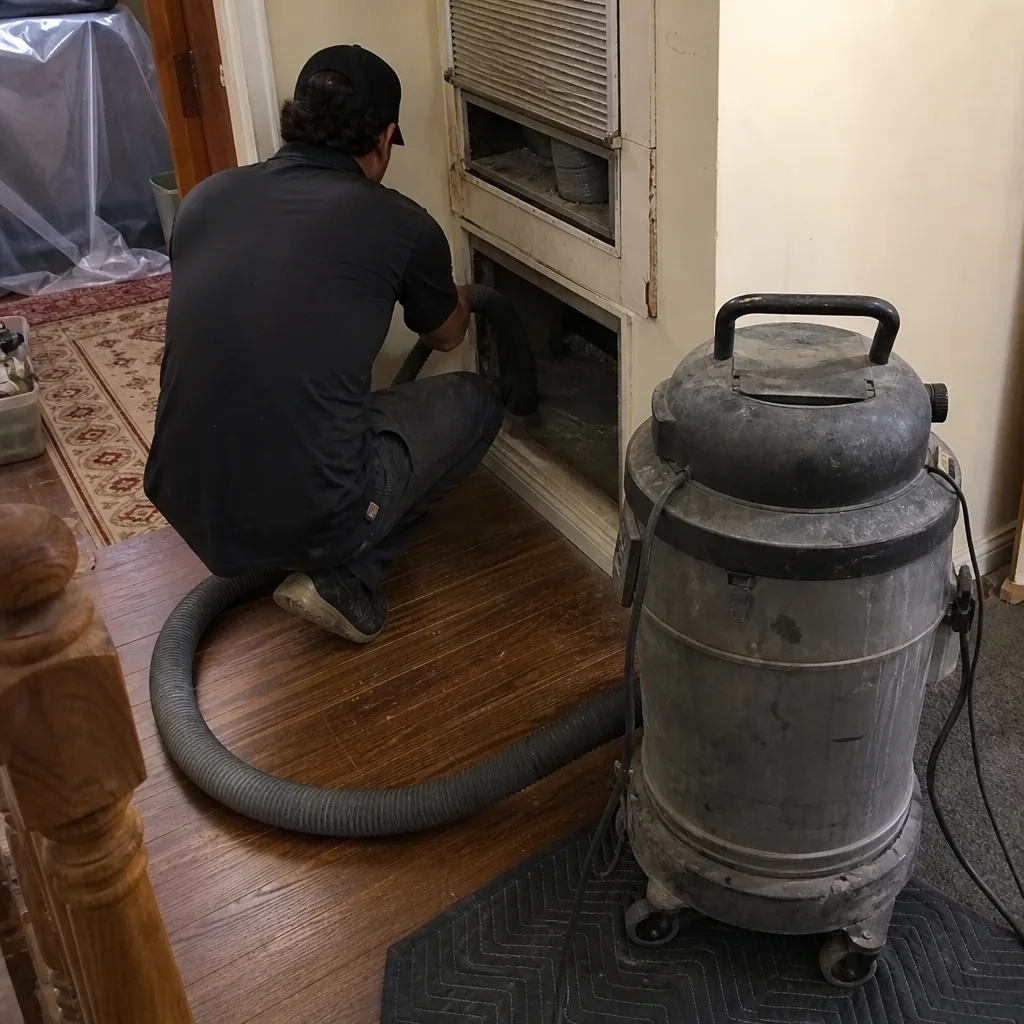 Before
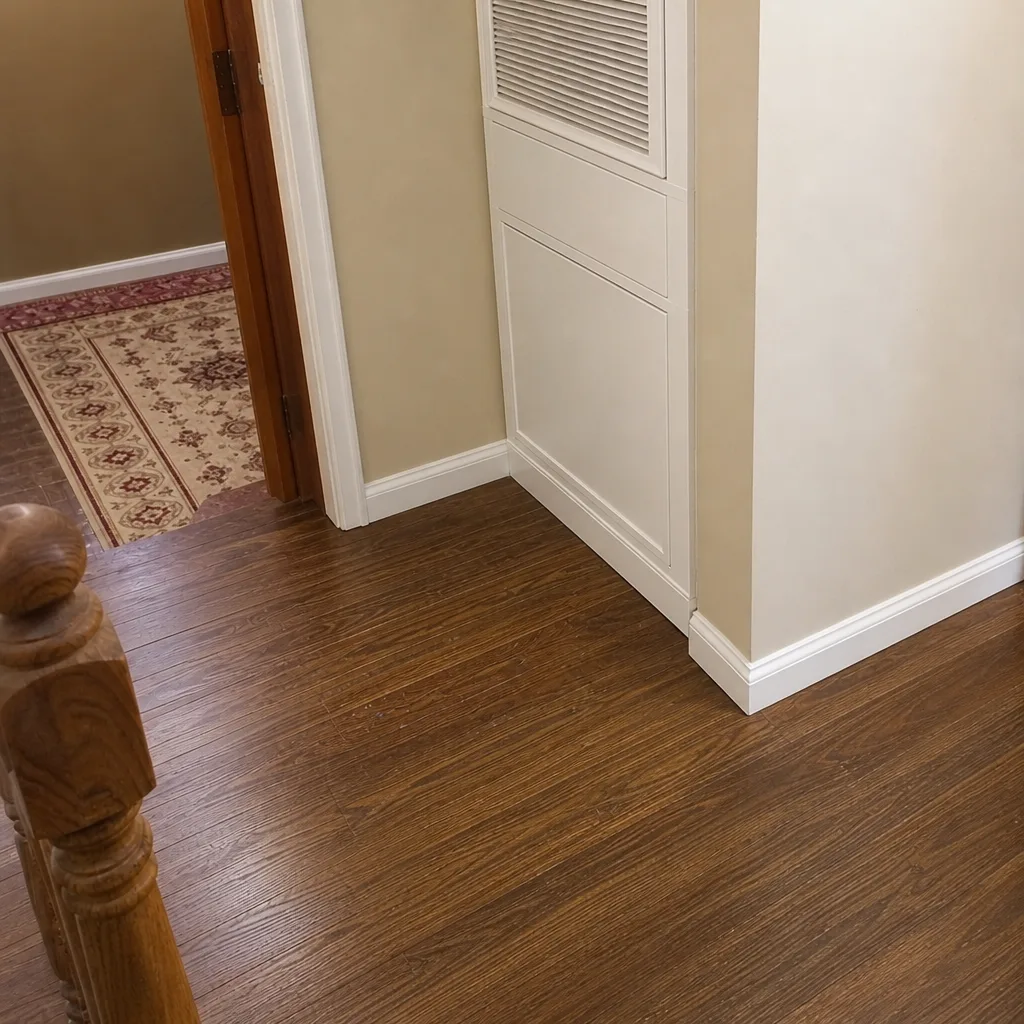 After
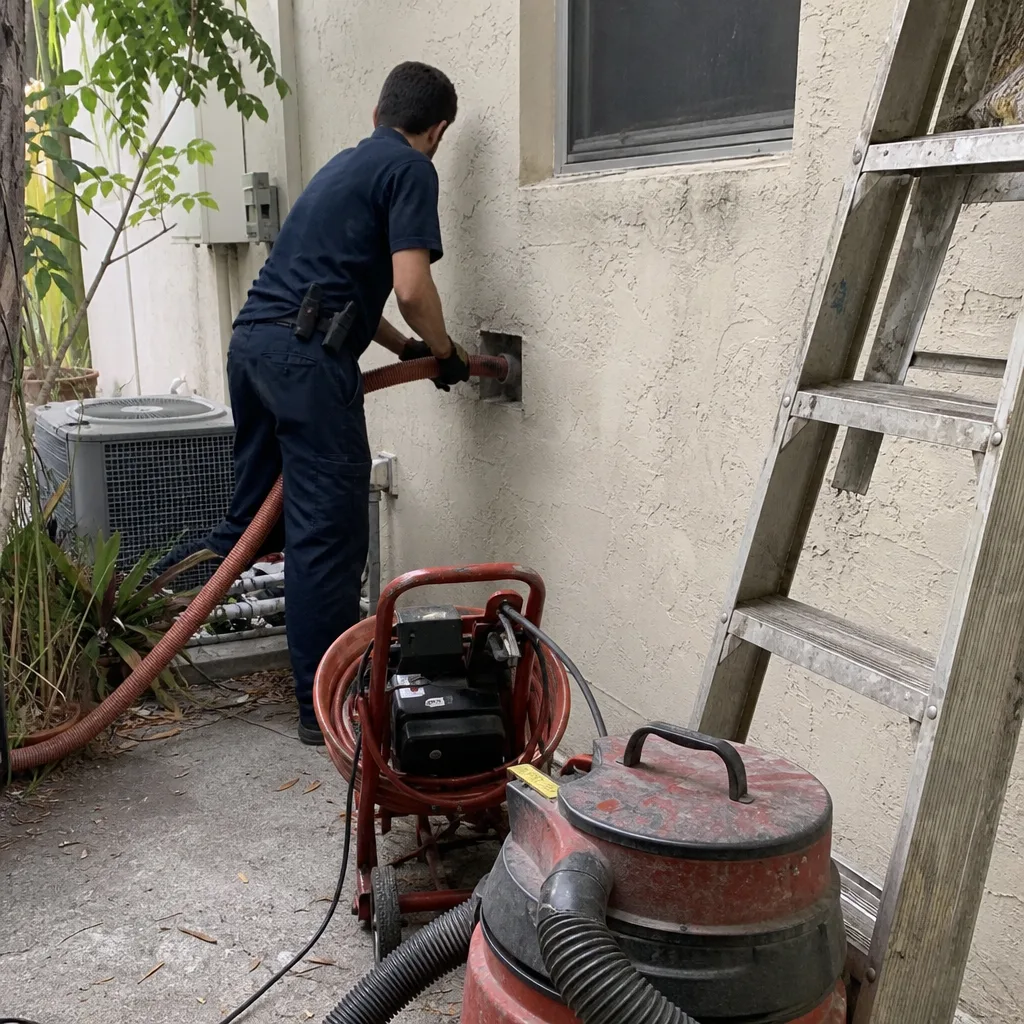 Before
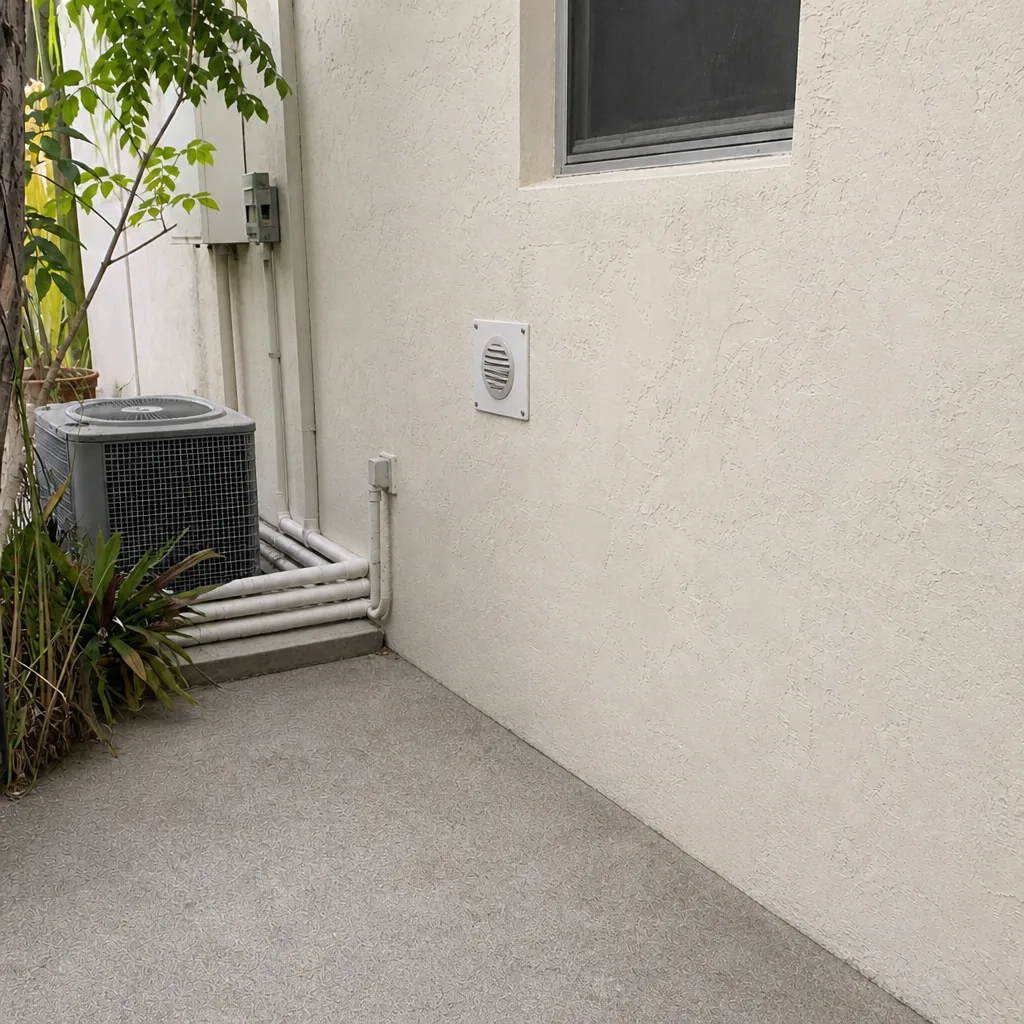 After
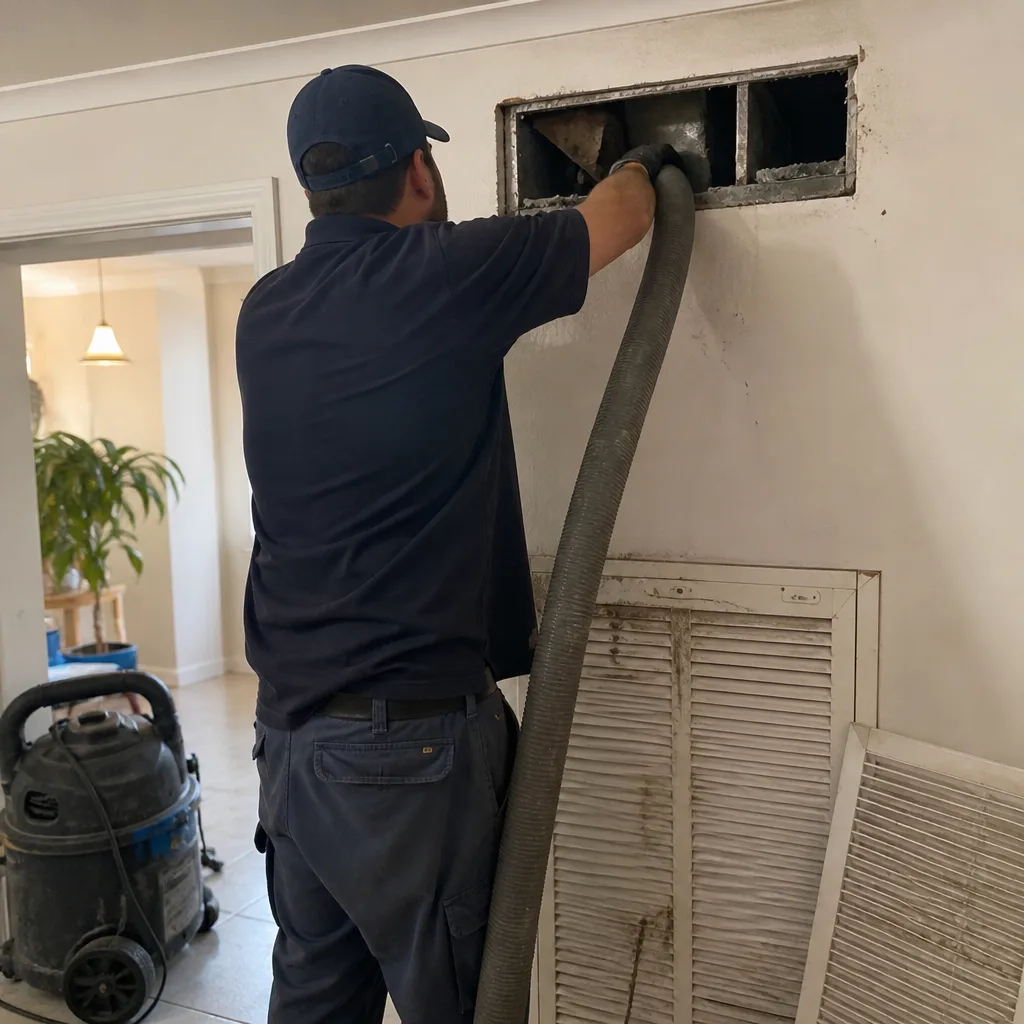 Before
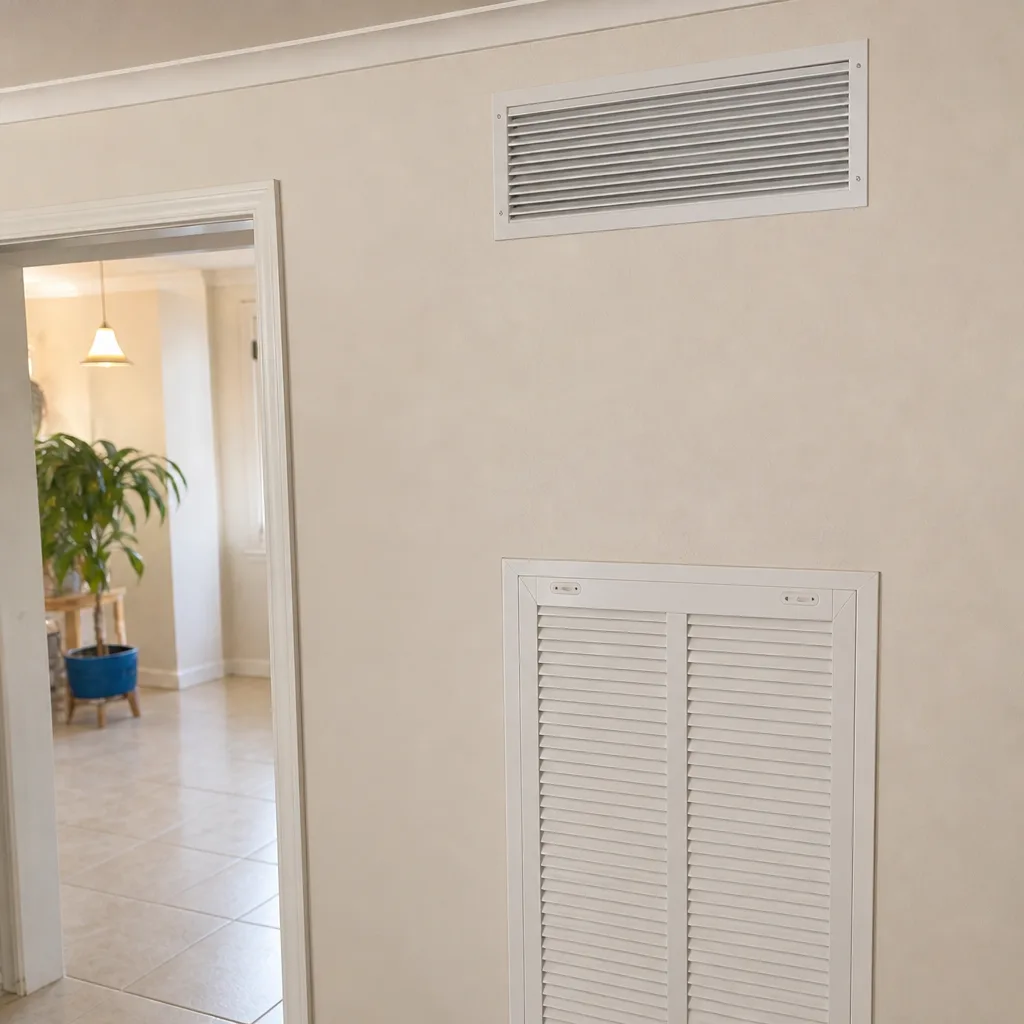 After
When to Call a Professional
Call a professional if any of the following is true: your photo log shows steady degradation between visits; a musty smell starts when the system runs; the drain pan holds water between cycles; one room never cools like the rest; your filter loads up faster than every couple of months; or you’ve just finished a renovation, installed a new HVAC system, or moved into a home in Pompano Beach with unknown duct history. If you can’t remember the last cleaning and the grilles are telling you it’s been a while, that’s reason enough. Each of those is a sign that a diagnostic visit will save money versus waiting. Valor Air Duct Cleaning offers free estimates in Pompano Beach, and the price you’re quoted per system is the price you pay, with no per-vent surprises. Call (844) 795-4871. We answer 24/7. Fast dispatch from 7am to 7pm, Sunday through Friday, and we’re closed Saturday.
Frequently Asked Questions
Most Pompano Beach homes do well on a professional duct cleaning every two to five years, but the right interval depends on your filter habits, coil condition, pets, renovation history, and the wet-season humidity load. Homes near ongoing construction, with multiple pets, or with a coil that runs wet often need it sooner. A photo log will tell you faster than any general rule. Call (844) 795-4871 for an exact quote, and estimates are free.
The cost depends on the number of systems, the length and complexity of the duct runs, and whether duct repair or coil cleaning is needed alongside the cleaning. We price per job by written estimate after we’ve seen the system, not per vent, so the number you get is the number you pay. Call (844) 795-4871 for a free estimate.
Cheap quotes usually reflect a smaller job: a shop vac, no negative air, no containment, and no coil or drain pan inspection. The work looks the same on the invoice. It isn’t the same on the ducts. We use the Rotobrush rotary brush system and Nikro negative-air equipment on every job so the debris is loosened and captured, not recirculated into your living space.
Ask for before-and-after photos of your own ducts, taken from the same spot. It’s the easiest proof to verify, and we provide them as standard. A company that can’t show you the inside of your ducts isn’t showing you the work. Call (844) 795-4871 to schedule an estimate.
No, and we’d rather tell you than sell you something you don’t need. A shop vac can reach the visible portion of a return but can’t loosen and capture debris inside a branch line, and it can’t do so under negative pressure. That’s the job of professional-grade equipment. What you can do at home is the filter, the grille wiping, and the photo documentation.
When the problem is structural, like a crushed or disconnected flex run, a leaking joint, or insulation that’s lost its value after a wet event. Cleaning a damaged duct just cleans a duct that isn’t carrying air where it should. We offer air duct repair as a standalone service so the cleaning and the repair are handled as separate problems, priced separately. Call (844) 795-4871 to talk through what you’re seeing.
The Bottom Line
Air duct maintenance in Pompano Beach is a sequence, not a single item. Filter, coil, drain pan, then ducts. Tighten the checklist in the June-to-October wet season. Photograph your grilles so you can see what’s actually happening between visits. Handle the safe homeowner work yourself, and call for the professional side before a small problem turns into a repair. The dryer vent belongs on the list too, and it’s the highest-stakes item of all. Valor Air Duct Cleaning handles air duct cleaning, dryer vent cleaning, and air duct repair as one company, with the same professional-grade equipment used in commercial and restoration work. The price is set per system by written estimate before the work starts, and we show you before-and-after photos of your own ducts. Call (844) 795-4871 to schedule your free estimate. We answer 24/7. Fast dispatch from 7am to 7pm, Sunday through Friday, and we’re closed Saturday.
Written by the team at Valor Air Duct Cleaning, serving Pompano Beach since 2018.