
Last updated November 14, 2026
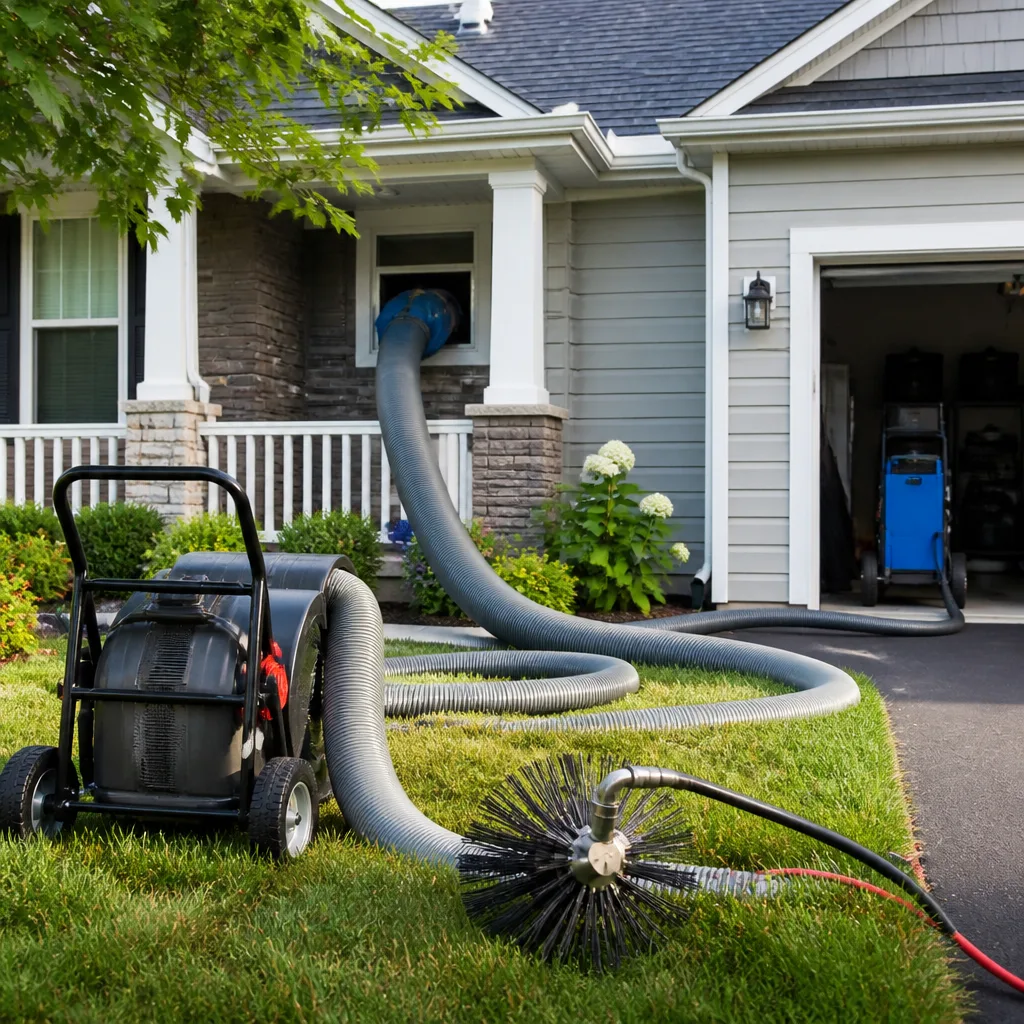 Whole-home duct cleaning
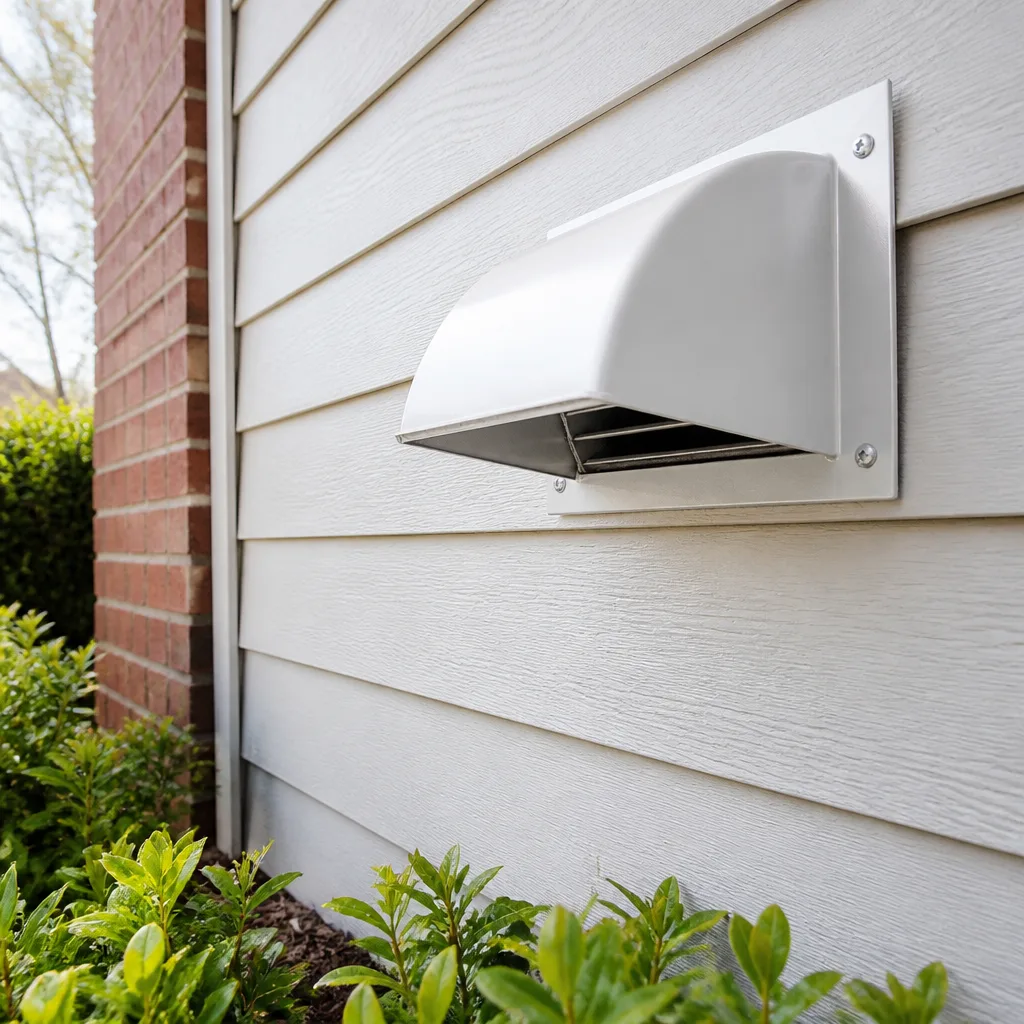 Dryer vent cleaning
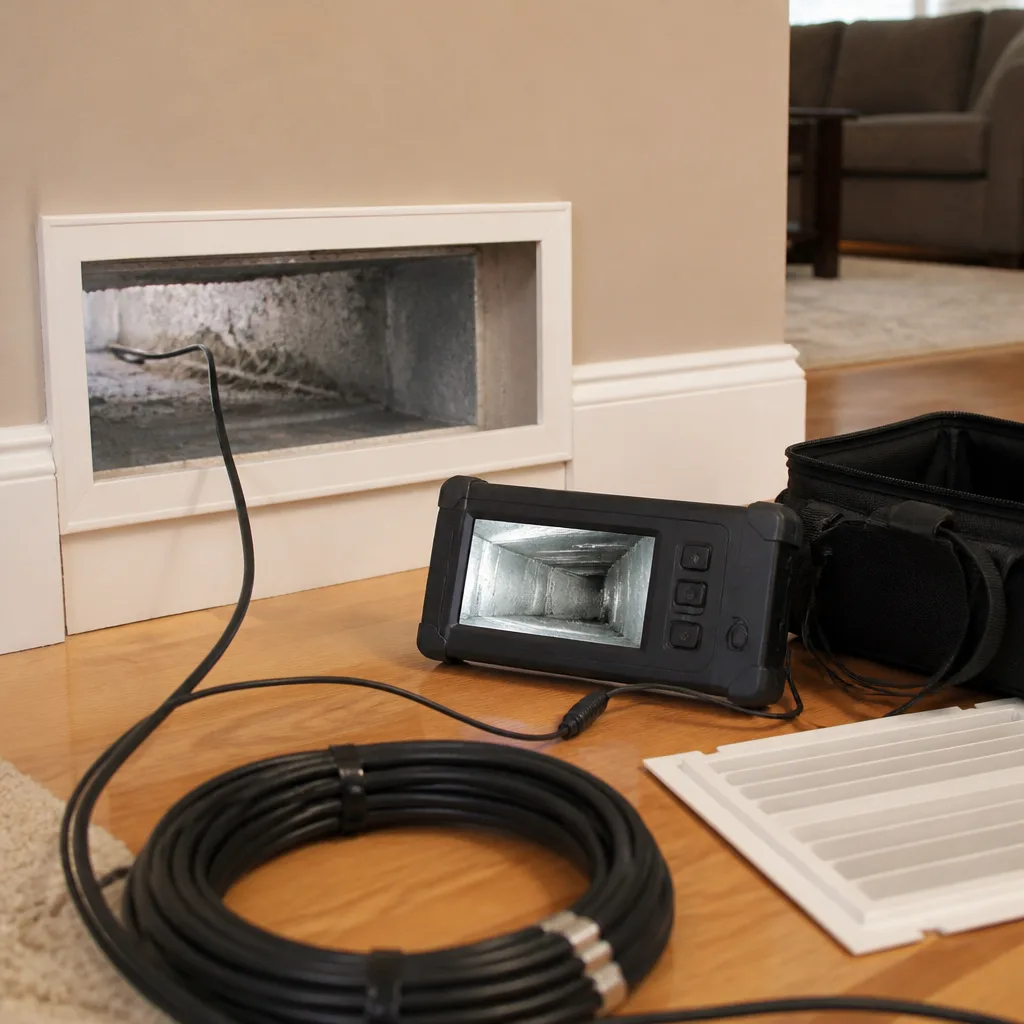 Camera inspection
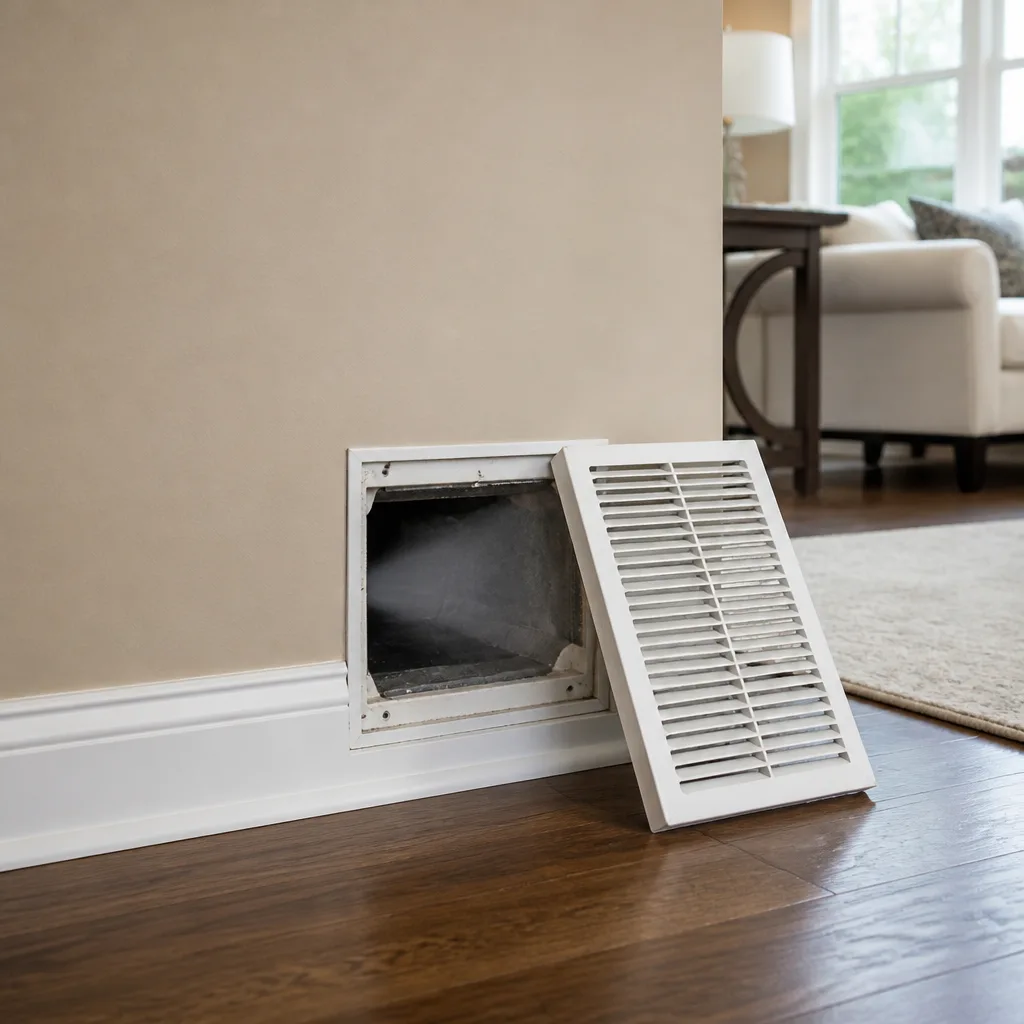 Sanitizing & deodorizing
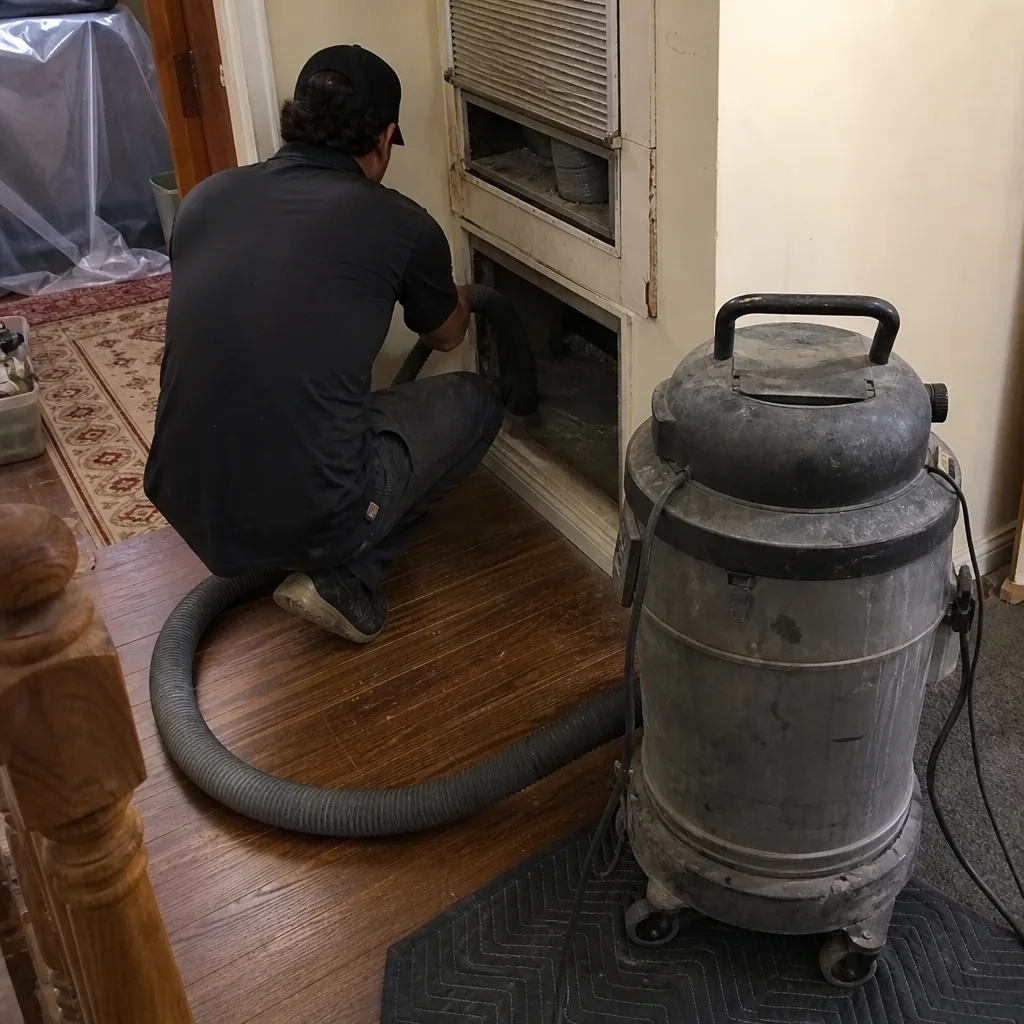
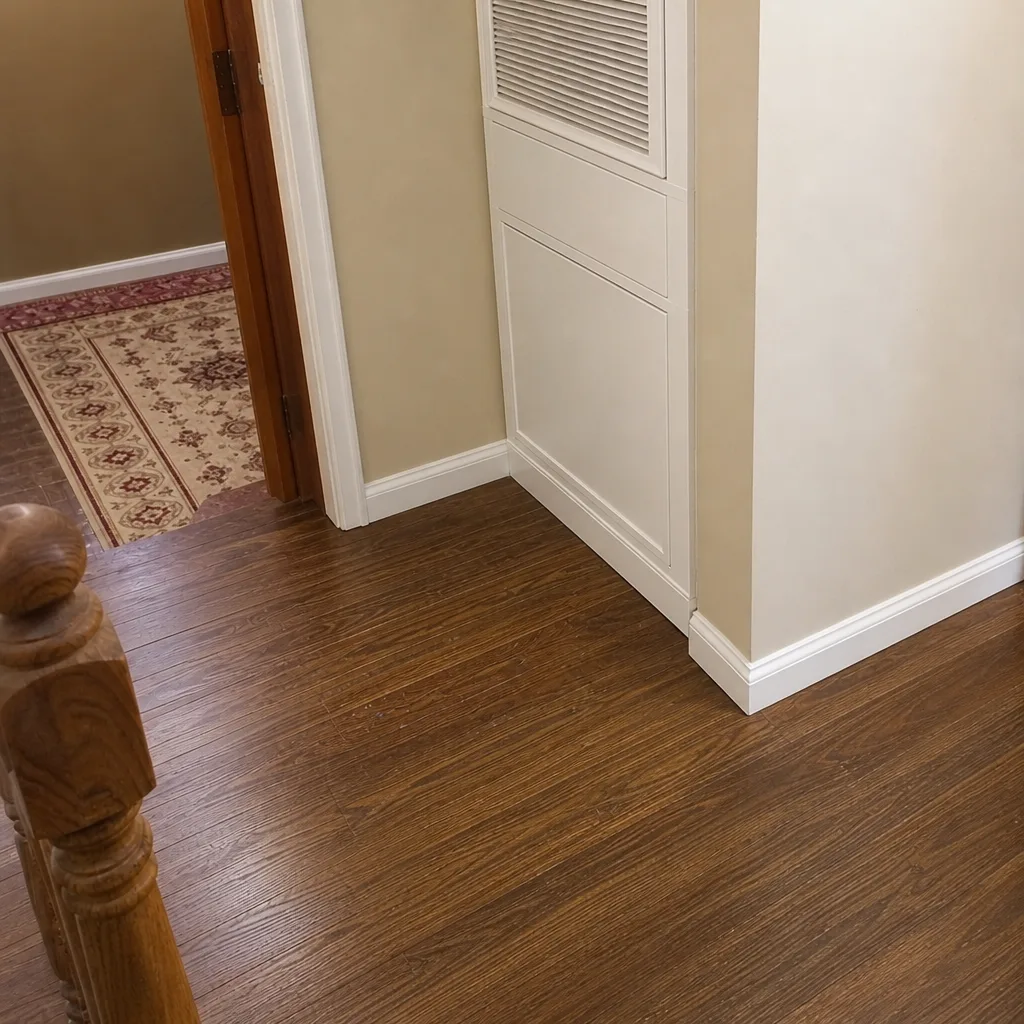
Whole-system duct and dryer vent check with before-and-after photos - you see exactly what came out of your vents
That "$99 whole-house special" is a bait ad - the real number appears once they are in your hallway, or the "clean" is a shop-vac at the register. We photograph the inside of your ducts before and after instead.
Air Duct Cleaning Permits, Codes & Inspections in Pompano Beach, FL: What You Need to Know
Here’s the part most people get wrong: the cleaning itself almost never requires a permit, but the “while we’re in there” work often does. If a contractor mentions they’ll fix a few duct sections, swap a component, or treat something they found growing on the inside of the ducts, and they don’t bring up a permit, the paperwork gap can land on you. Unpermitted mechanical work has a way of surfacing at the worst possible moment, usually during a home sale or an insurance claim. This guide lays out where the line sits in Florida, what Broward County expects, and what to keep in a folder afterward. We do this work in Pompano Beach, and we’d rather you understood the rules before anyone shows up.
Quick Answer
Routine air duct cleaning in Pompano Beach does not require a permit. Duct repair, modification, or replacement of ductwork components is treated as mechanical work under the Florida Building Code and generally requires a mechanical permit through Broward County, pulled by a properly licensed contractor. Mold remediation inside ductwork falls under Florida Statute 489.1352, which requires a licensed mold remediation contractor and separate documentation, and that is a different license from the one that covers HVAC work.
Styles & brands we work with
- Whole-home duct cleaning
- Dryer vent cleaning
- Camera inspection
- Sanitizing & deodorizing
Table of Contents
- Cleaning vs. Repair: Where the Permit Line Is in Florida
- Florida Building Code Section 603 and Duct Modification
- Florida Statute 489.1352: When Mold Changes the Job
- How Broward County’s Mechanical Permit Process Works
- How to Verify a Contractor Through the Florida DBPR
- What an Inspection Actually Covers
- What Paperwork to Keep After Duct Work
- Why This Matters in Pompano Beach Specifically
Cleaning vs. Repair: Where the Permit Line Is in Florida
Florida draws a clear line between maintenance and construction, and duct work straddles it. Cleaning the interior of existing ducts is maintenance. Changing the ducts themselves is construction. The distinction sounds academic until you’re the one holding the bill for something a code officer flags.
On the maintenance side, no permit is required for:
- Removing dust, debris, and buildup from supply and return ducts
- Cleaning registers, grilles, and diffusers
- Cleaning the air handler cabinet exterior and accessible components
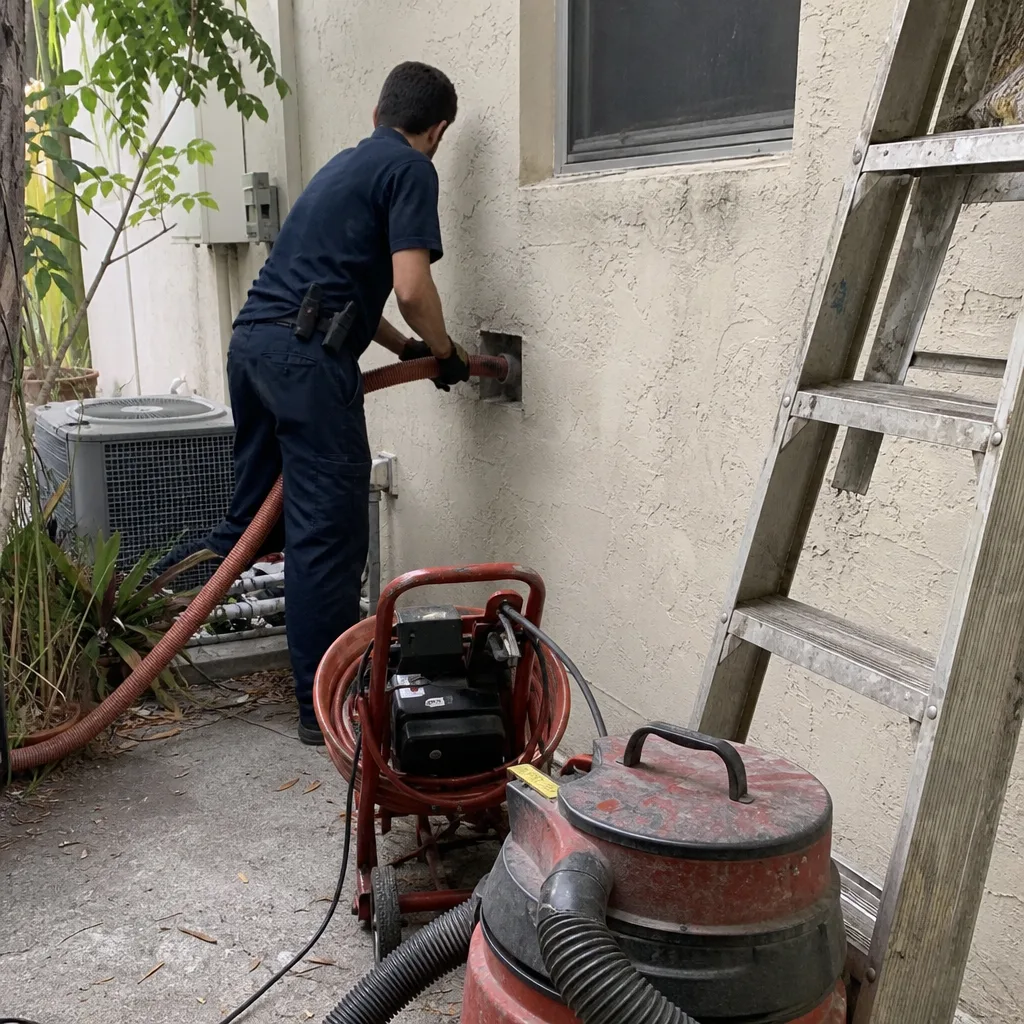
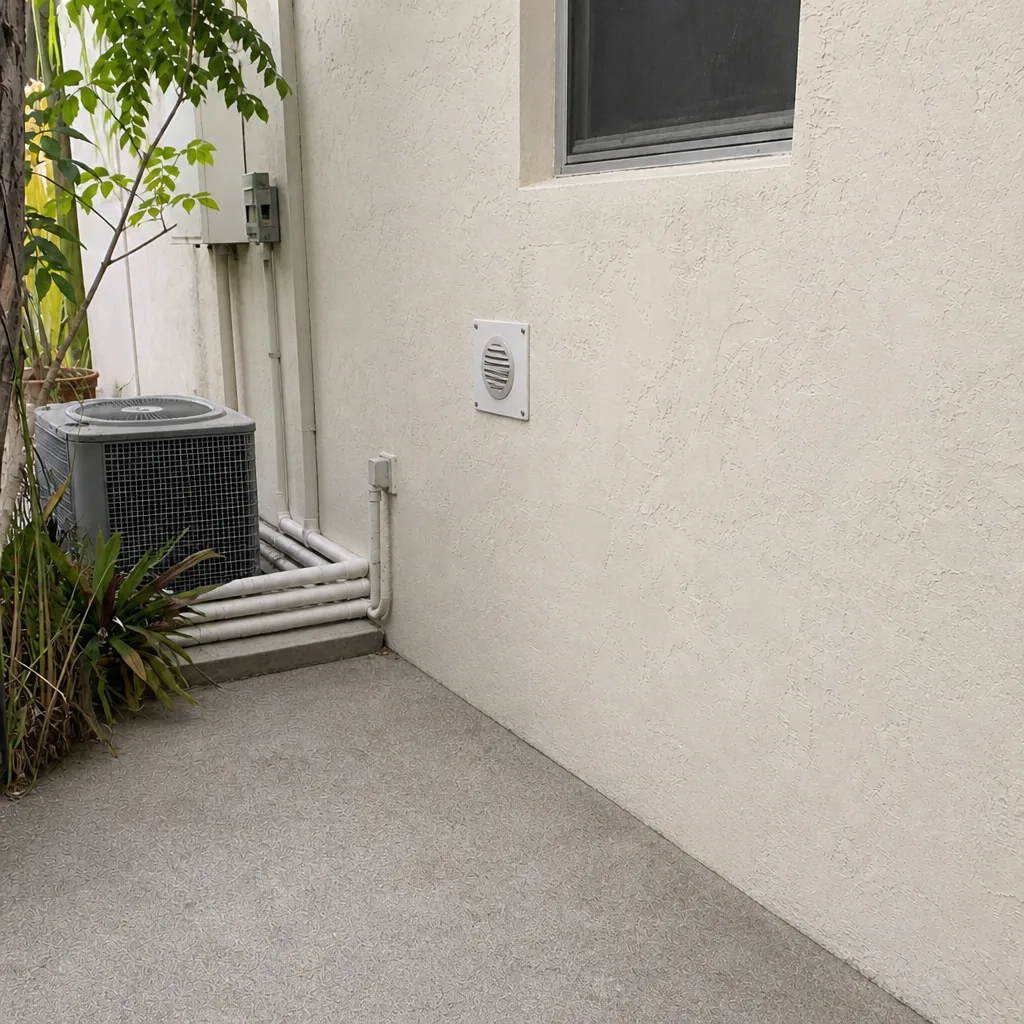
- Dryer vent cleaning from the appliance connection to the exterior termination
- Visual inspection of duct interiors with a camera
On the construction side, a mechanical permit is typically required for:
- Cutting into or rerouting any section of ductwork
- Replacing flex duct runs, rigid duct sections, or duct board
- Adding, removing, or relocating a supply or return register
- Repairing crushed, disconnected, or collapsed duct runs
- Sealing duct joints with mastic or approved tape as part of a repair
- Any work that changes the air distribution design of the system
Here’s the practical problem. A cleaning crew pulls a register and finds a run that’s been crushed flat behind a soffit, or a joint that’s come apart in the attic. That’s a real finding and it matters, because a disconnected duct is dumping conditioned air into your attic instead of your living room. But fixing it isn’t cleaning, and the license that pulls the permit isn’t always the license on the truck. Ask the question before work starts: who is the license of record for the repair, and is a permit being pulled?
At Valor Air Duct Cleaning we offer duct repair as a standalone service precisely because these are two different jobs with two different scopes. Dirty ducts and damaged ducts aren’t the same problem, and treating one like the other is how homeowners end up with a mess nobody wants to own.
Florida Building Code Section 603 and Duct Modification
Section 603 of the Florida Building Code governs duct systems: materials, installation, sealing, and support. It’s the section a mechanical inspector opens when they look at duct work, and it’s the reason a “small modification” isn’t small in the eyes of the code.
What Section 603 addresses, in plain terms:
- Materials: Duct materials must be listed and approved for the application. That means the foil-faced flex duct from the home center may or may not be the right product for your run.
- Sealing: Duct systems must be sealed at joints and connections to limit leakage. This is where a lot of attic work fails inspection, because the joints were taped with the wrong product or not sealed at all.
- Support: Ducts must be supported at code-specified intervals so they don’t sag, kink, or pull apart.
- Insulation: Ducts in unconditioned space must be insulated to the required level for the application.
For a Pompano Beach homeowner, the attic is where most of this plays out. Our homes run ductwork through attics that get brutally hot for much of the year, and heat is hard on flex duct, on tape, and on insulation jackets. A run that was properly installed can sag or separate over time. When a technician proposes a repair, the work is supposed to bring that section back into compliance with Section 603, not just get air moving again.
This is also where equipment choice tells you something about the company. A rotary brush system like the Rotobrush we run cleans the duct interior thoroughly, but it’s also a good diagnostic tool: it doesn’t hide a collapsed run, it reveals it. A shop vac and a hose won’t tell you anything about the condition of the ducts themselves. The code cares about condition, and so should you.
Florida Statute 489.1352: When Mold Changes the Job
This is the part that surprises people most. Florida Statute 489.1352 sets out requirements for mold remediation contractors, and it exists because mold work is a different trade with a different license than general cleaning or HVAC service. If a company opens your ducts and finds active mold growth, the job has changed category.
What that means in practice:
- The scope is no longer cleaning. Active mold growth inside a duct system is a remediation project. It involves containment, removal of affected material in some cases, and verification that the problem is resolved.
- The license must match the work. A mold remediation contractor licensed under the statute is who should be performing that scope. A cleaning company that isn’t licensed for remediation shouldn’t be treating it, and a company that claims to handle it should be able to show you the license.
- Documentation is expected. Remediation work produces a paper trail: a written scope, method description, and often post-remediation verification. Ask for it.
- Containment matters. Remediation-level work uses negative air pressure and filtration so that disturbed material doesn’t spread through the house. This is where Abatement Technologies filtration equipment shows up in professional work: it’s the same containment discipline used in remediation environments.
We’re straightforward about this: Valor Air Duct Cleaning is an air duct cleaning company, and when a project crosses into licensed mold remediation, that’s a scope we tell you about rather than paper over. What we do bring is containment-level equipment discipline on every job, so debris comes out of your ducts and into a HEPA-filtered collection system, not into your living room.
How Broward County’s Mechanical Permit Process Works
Broward County runs its own permitting process for mechanical work, and Pompano Beach properties fall under it. If duct repair or modification is on the table, here’s the general sequence.
- Determine the scope in writing. Before anything is filed, the contractor should describe exactly what’s being changed: which runs, which components, and why. A one-line scope is a red flag.
- Identify the license of record. For duct modification and HVAC-related work, that’s typically a licensed mechanical or air conditioning contractor. For mold remediation, it’s a licensed mold remediation contractor under Florida Statute 489.1352. On a project involving both, you may be dealing with two licenses, and that’s normal.
- Pull the permit. The permit is pulled by the licensed contractor, not the homeowner, and the permit application describes the mechanical scope of work.
- Perform the work to code. Section 603 compliance on materials, sealing, support, and insulation.
- Request the inspection. The contractor calls for inspection when the work is ready. The inspector reviews the installed work against the permitted scope and the code.
- Close the permit. The permit is only closed when the inspection passes. An open permit on a property is a real problem at sale time.
Ask any contractor who proposes duct repair three questions: Are you pulling a permit? What’s your license number? Will you give me the permit number so I can look it up? A company that does this work regularly answers all three without hesitation. A company that doesn’t will change the subject.
One more local note: if your property is in a part of Pompano Beach with older housing stock, duct systems are more likely to have been modified by previous owners, sometimes without permits. That history doesn’t become your problem until you sell or file a claim, and then it very much does. Our Pompano Beach service page covers how we scope work in these homes.
How to Verify a Contractor Through the Florida DBPR
Florida’s Department of Business and Professional Regulation maintains a free public license database. You can search it yourself in about two minutes, and you should, before any duct repair or remediation work begins.
- Ask for the license number. Get it in writing, on the estimate or the contract. Not “we’re licensed” – the number.
- Search the DBPR license database. The DBPR’s online license search lets you look up a license by number or by the name of the individual or business.
- Check the status. You’re looking for “Current, Active.” Anything else – null and void, delinquent, suspended, revoked – stops the conversation.
- Check the license type against the work. A mold remediation license doesn’t authorize mechanical work, and a mechanical license doesn’t authorize mold remediation. The license has to match the scope.
- Check the qualifying individual. A business license is tied to a qualifying person. Make sure the person actually responsible for the work is the one on record.
- Re-check before signing. Licenses lapse. A number that was current when you got the quote may not be current when the work is scheduled.
Insurance is the second half of this. Ask for a certificate of insurance showing general liability coverage, and confirm it’s current. This is standard practice for any trade working in your home, and it’s the kind of request a professional company expects.
What an Inspection Actually Covers
An inspection is not a quality review of the cleaning. It’s a code review of permitted work. Keep that distinction in mind, because homeowners sometimes expect an inspector to sign off on how well the ducts were cleaned, and that’s not what the inspection is for.
If a mechanical permit is pulled for duct repair or modification, the inspector is typically checking:
- That the installed work matches the permitted scope
- That duct materials are approved for the application
- That joints and connections are sealed
- That the ducts are supported per code
- That insulation requirements in unconditioned space are met
- That the air distribution changes don’t create a code problem
What an inspection does not cover: whether the duct interior is clean, whether the filter is the right one, whether the system is balanced well, or whether your return air is pulling from the right place. Those are performance questions, and they’re worth asking the contractor directly, in writing, on the estimate.
For cleaning-only work, there’s no inspection at all, which is precisely why documentation matters so much on that side of the line. Nobody is checking behind the crew. That puts the burden on you to get something in writing.
What Paperwork to Keep After Duct Work
Set up a folder. Whether it’s paper or a cloud drive, keep every document related to duct work in one place, because you will be asked for it eventually. Insurance claims, home sales, refinancing, and warranty disputes all reach for the same records.
Keep these after any duct job:
- The written estimate or contract with the scope of work described in specific terms: which ducts, which components, what method.
- Before-and-after photos of your own ducts. A professional company documents this as a matter of course. If a company doesn’t offer photos, ask – and if they can’t produce them, that tells you something.
- The invoice showing the date, the work performed, and the company’s license information.
- The permit number and final inspection record if a mechanical permit was pulled. The inspection result should show as approved and the permit as closed.
- Any remediation documentation if mold work was involved, including the scope, the method, and post-remediation verification.
- Manufacturer documentation for any components installed, such as filters, UV components, or air quality equipment. If you have Honeywell or Aprilaire components serviced or replaced, keep the model information.
- The contractor’s certificate of insurance as it stood on the date of work.
Why does this matter so much here? Because air quality and duct condition are recurring subjects in real estate transactions and insurance claims. A buyer’s inspector who sees duct repair work with no permit on record raises a question. A claims adjuster who sees an air quality issue with no documentation of prior work raises a different one. Ten minutes of filing saves hours of explaining.
Why This Matters in Pompano Beach Specifically
A few things about our corner of Broward County shape how duct work plays out.
The climate keeps the system running. Air conditioning here isn’t seasonal, it’s continuous. A system running year-round moves a lot of air, and a lot of air means a lot of dust loading and a lot of strain on duct joints and connections. Wear on flex duct in a hot attic is a gradual thing, but it’s real, and disconnected or sagging runs show up in homes that aren’t that old.
Renovations disturb settled dust. Kitchen and bath remodels, flooring replacement, and drywall work all generate fine particulate that doesn’t stay in the room. It travels through the return system. Homeowners often call after a renovation, which is exactly the right time – but a system that was already compromised before the renovation needs repair, not just a cleaning pass.
Air quality components are common. Many Pompano Beach homes have filtration, UV, or humidity components installed, and Honeywell and Aprilaire are the brands we see most often. When those components are inside the air pathway, a technician who understands the whole system is a different kind of help than one who only knows how to run a vacuum. Our air duct cleaning work includes the full pathway: supply, return, and the components in between.
Dryer vents are their own safety issue. Lint accumulation in a dryer vent is a fire risk, and it’s a documented one. That’s not a comfort issue; it’s a life-safety issue, and it’s a separate service from duct cleaning. Dryer vent cleaning addresses it directly, from the appliance connection to the exterior termination.
None of this changes the permit rules. It just means the local context makes them more relevant, not less. Broward County’s mechanical permit process exists for a reason, and in a climate where the system never stops working, the condition of the ductwork matters more than it does in a place where the AC runs three months a year.
Common Mistakes to Avoid
- Letting a cleaning crew “fix a few sections” without a permit. This is the big one. A verbal agreement to repair ductwork during a cleaning leaves you with unpermitted work and no license of record. Get it in writing, with a permit number, or don’t do it.
- Assuming licensed means licensed for this. A cleaning company, an HVAC contractor, and a mold remediation contractor each hold different licenses under Florida law. Ask which license applies to the work being proposed.
- Accepting a verbal report of mold. If a technician says there’s mold in your ducts, ask what the remediation scope would be and who’s licensed to perform it under Florida Statute 489.1352. Verbal findings aren’t documentation.
- Not keeping before-and-after photos. This is the single most useful record you can hold after any duct job, and it costs the contractor nothing to provide. If a company can’t show you what your ducts looked like before and after, you have no proof of the work.
- Skipping the DBPR check. It takes two minutes and it’s free. Searching the license number in the Florida DBPR database before signing is the simplest protection available, and most homeowners never do it.
- Leaving a permit open. If a permit was pulled for repair work, confirm the final inspection passed and the permit is closed. An open permit discovered at sale is an expensive loose end in Pompano Beach and everywhere else in Broward County.
- Treating duct cleaning and duct repair as the same purchase. They’re two different jobs with two different permit implications. A company that only cleans will clean around damage and leave it in place. Ask explicitly which scope you’re buying.
See the difference
 Before
 After
 Before
 After
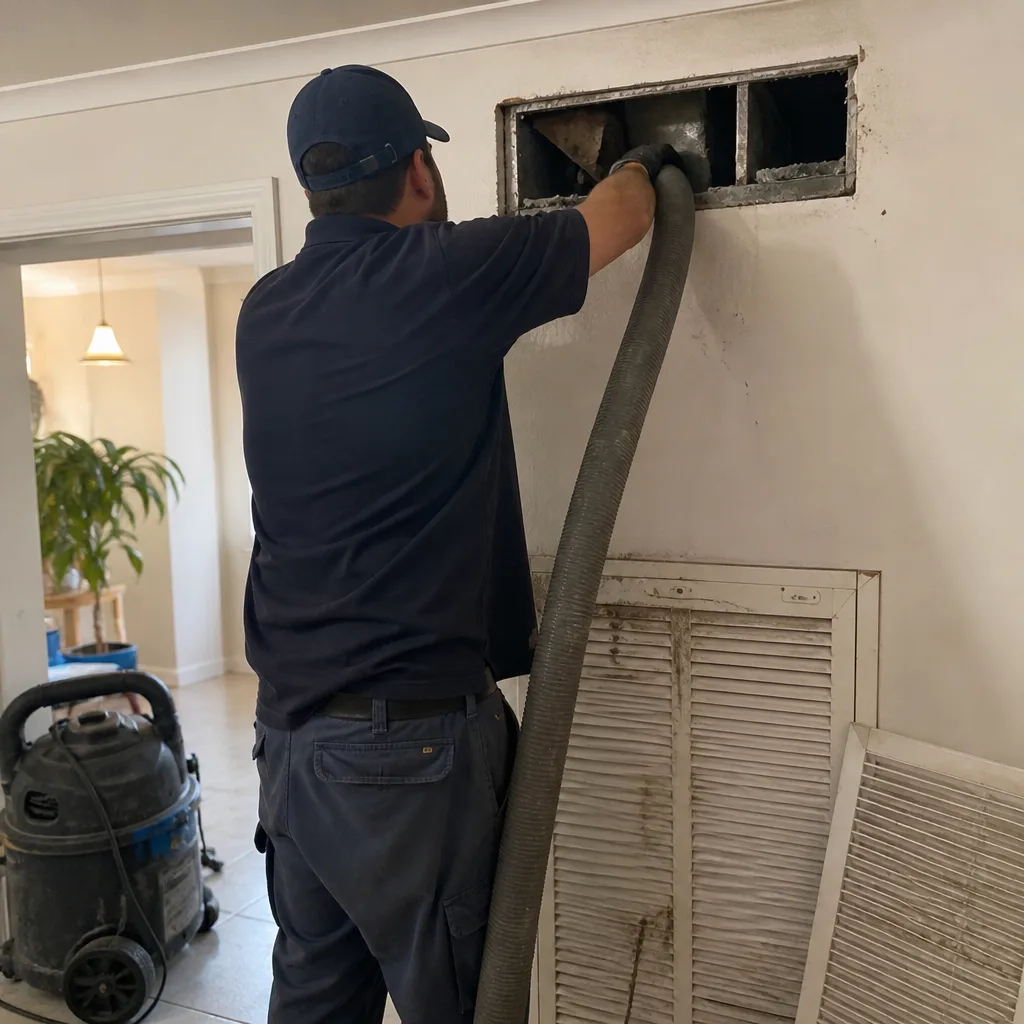 Before
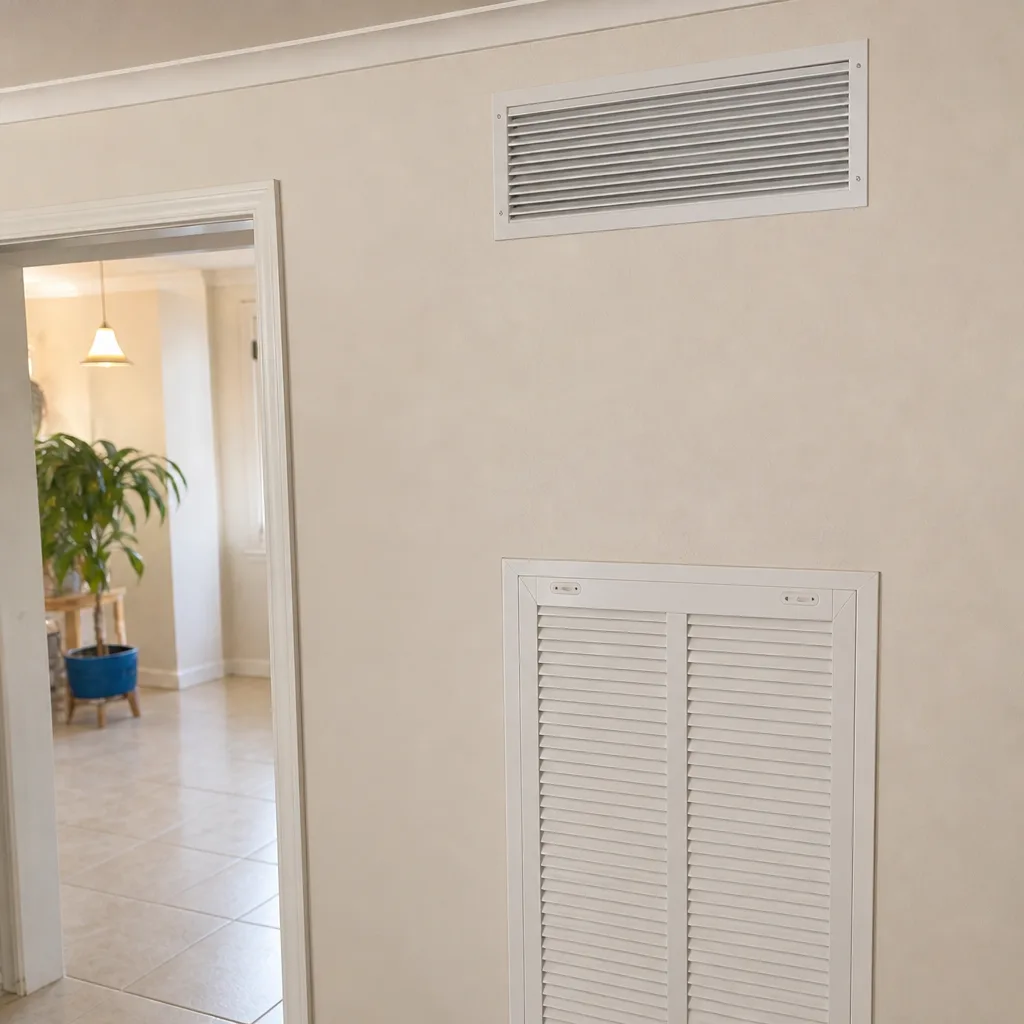 After
When to Call a Professional
Call a professional when a contractor proposes duct repair or modification and can’t answer the permit and license questions, when you see visible mold growth around registers or inside accessible ductwork, when a dryer is taking longer than it should to cycle, or when renovation dust or a new HVAC install has left the system loaded with debris. Call before you buy a home if the seller’s disclosure mentions duct work with no permit record, and call before any insurance claim involving air quality, so the documentation exists before the claim does. Valor Air Duct Cleaning offers free estimates in Pompano Beach – call (844) 795-4871. We answer 24/7. Fast dispatch from 7am to 7pm, Sunday through Friday.
Frequently Asked Questions
No. Routine air duct cleaning does not require a permit in Pompano Beach or anywhere in Broward County, because it’s maintenance rather than construction. The moment the work involves repairing, modifying, or replacing ductwork components, a mechanical permit through Broward County is generally required and must be pulled by a properly licensed contractor. Call (844) 795-4871 for an exact quote on a cleaning, and if repair is needed, we’ll tell you where the permit line sits before any work begins.
Yes, and the difference is the license and the inspection. Duct cleaning is maintenance with no permit and no inspection. Duct repair or modification is mechanical work subject to Florida Building Code Section 603, which requires a permit pulled by a licensed contractor and an inspection before the permit is closed. In our experience, most homeowners don’t realize the repair part of the conversation changes the legal category of the job. Estimates are free – call (844) 795-4871.
Florida Statute 489.1352 sets requirements for mold remediation contractors, and it applies to duct work when active mold growth is found inside the system. At that point the scope becomes remediation, not cleaning, and it requires a licensed mold remediation contractor along with written documentation of the scope and verification that the work resolved the problem. If a company can’t tell you which license covers the mold work, stop and call (844) 795-4871 to talk through the options.
Ask for the license number in writing, then search it in the Florida DBPR license database, which is free and public. Look for “Current, Active” status and confirm the license type matches the work: mechanical for duct modification, mold remediation for mold work. Also ask for a current certificate of insurance. Doing this before signing is the single most useful step a homeowner can take, and our free estimate includes the license information in writing – call (844) 795-4871.
Keep the written estimate with the detailed scope, before-and-after photos of your own ducts, the invoice with license information, any permit number and final inspection record, remediation documentation if mold work was involved, and the contractor’s certificate of insurance. These are the documents an insurance adjuster or a buyer’s inspector will ask for. We provide before-and-after photos as standard practice on every job – call (844) 795-4871 for a free estimate.
Not necessarily a mechanical permit, but a different license requirement applies. When active mold growth is present, the work falls under Florida Statute 489.1352 and requires a licensed mold remediation contractor with documented scope and verification. A cleaning company not licensed for remediation shouldn’t be treating it. If this comes up, get the scope and the license in writing first – and call (844) 795-4871 if you want to talk through what the next step looks like.
The Bottom Line
Cleaning your ducts doesn’t require a permit. Repairing, modifying, or replacing them does. That single distinction sits at the center of everything in this guide, and it’s where most homeowners get caught: not by the cleaning, but by the “while we’re in there” repair that never got filed. Mold changes the job again, because Florida Statute 489.1352 brings a different license into play. Broward County’s mechanical permit process and Florida Building Code Section 603 govern the construction side. Verify every license through the Florida DBPR before anyone starts, and keep the paperwork afterward, including before-and-after photos of your own ducts. If a contractor can’t answer the permit question, that’s your answer. Call (844) 795-4871 for a free estimate. We answer 24/7. Fast dispatch from 7am to 7pm, Sunday through Friday.
If you’d like to understand how we scope a cleaning job before any of this comes up, start with Valor Air Duct Cleaning. We run Rotobrush rotary brush systems and Nikro negative-air equipment on every job, and we repair ducts, not just clean them.
Written by the team at Valor Air Duct Cleaning, serving Pompano Beach since 2018.