
Last updated November 14, 2026
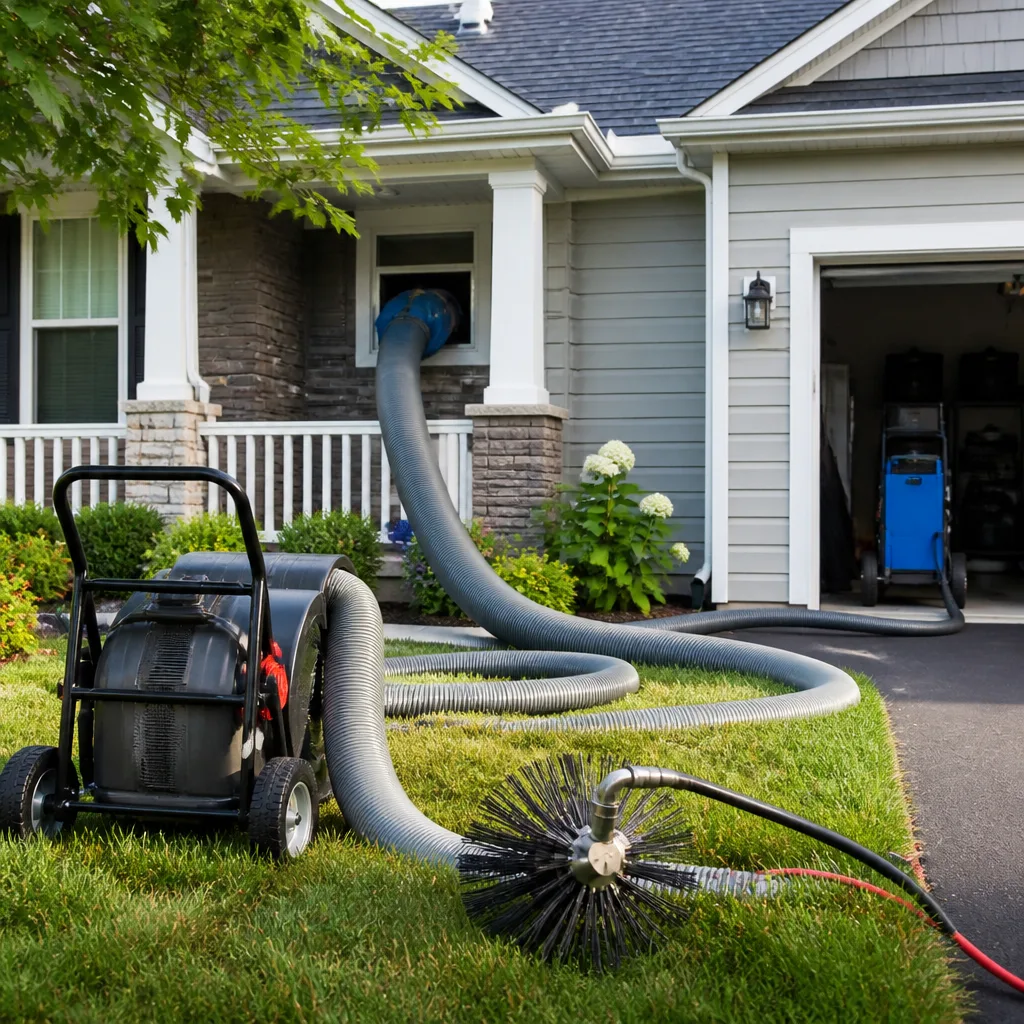 Whole-home duct cleaning
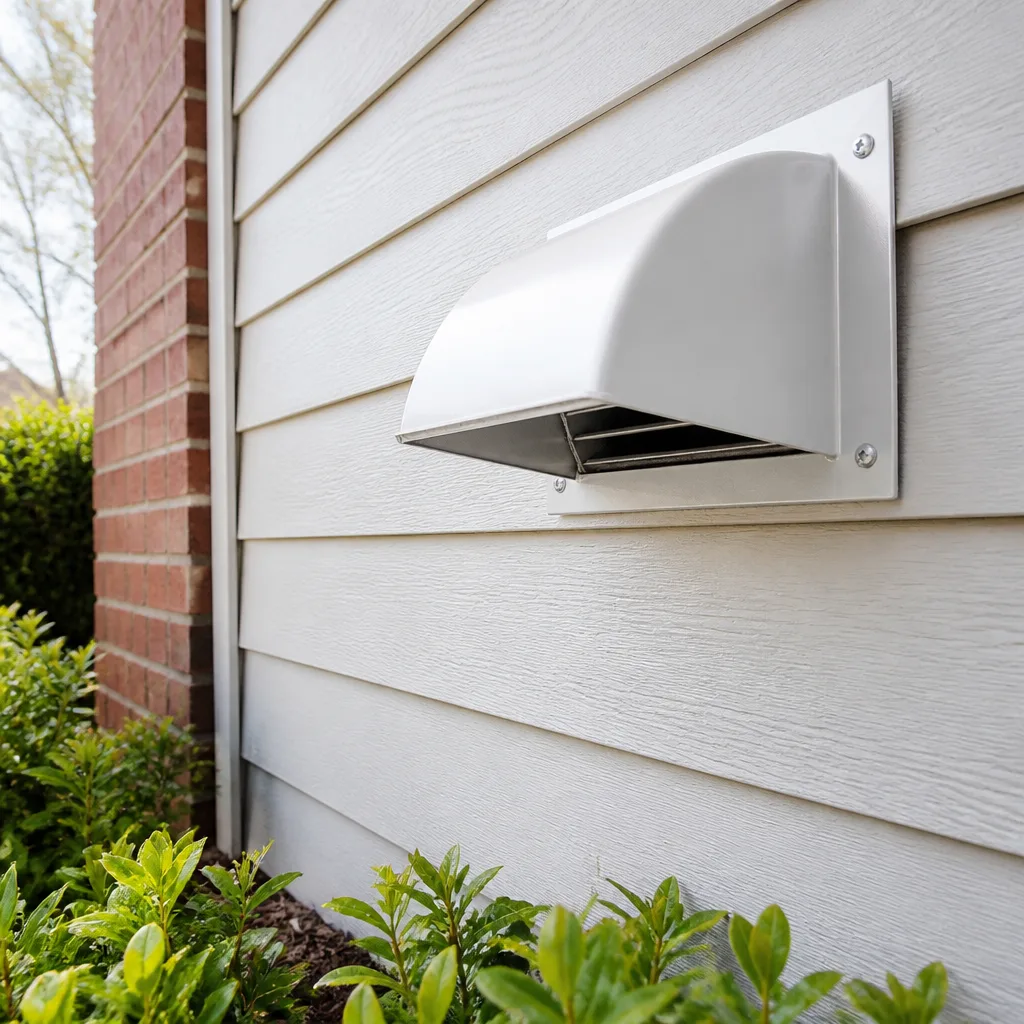 Dryer vent cleaning
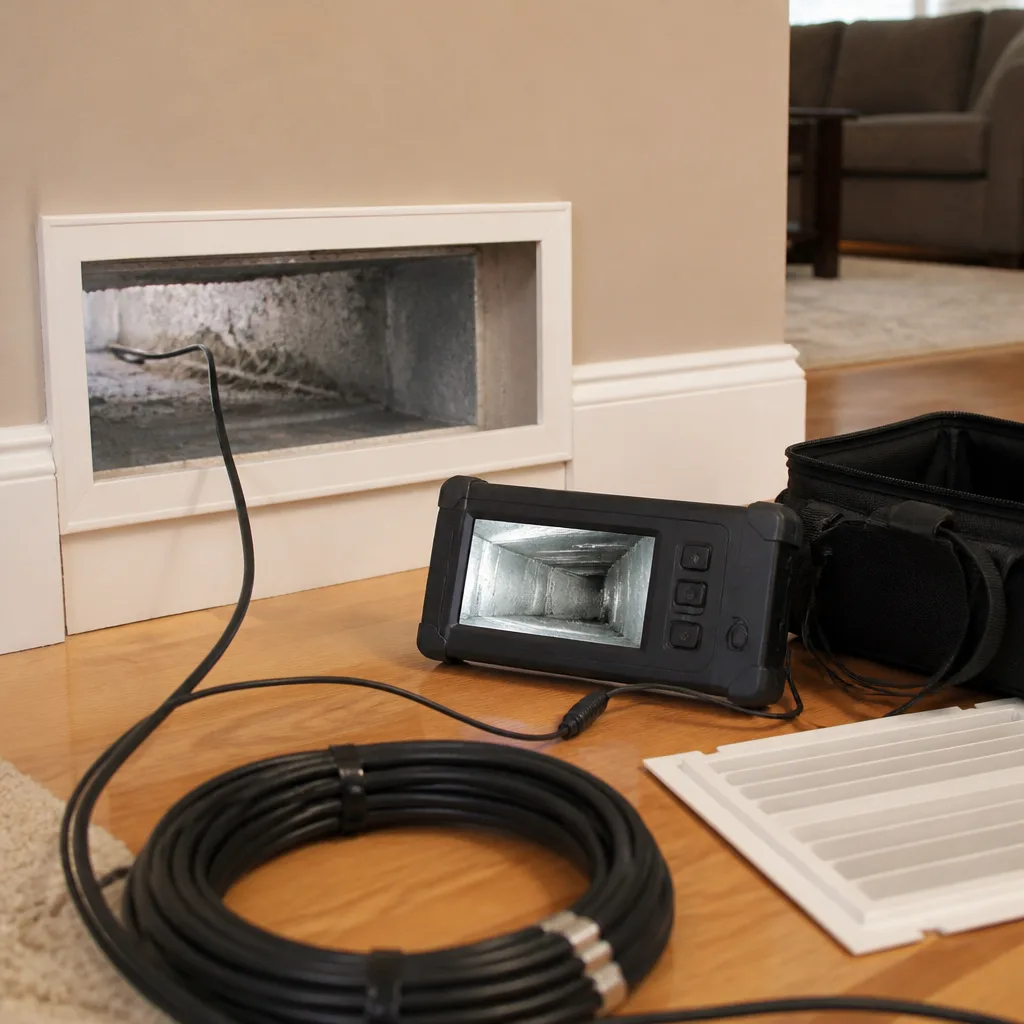 Camera inspection
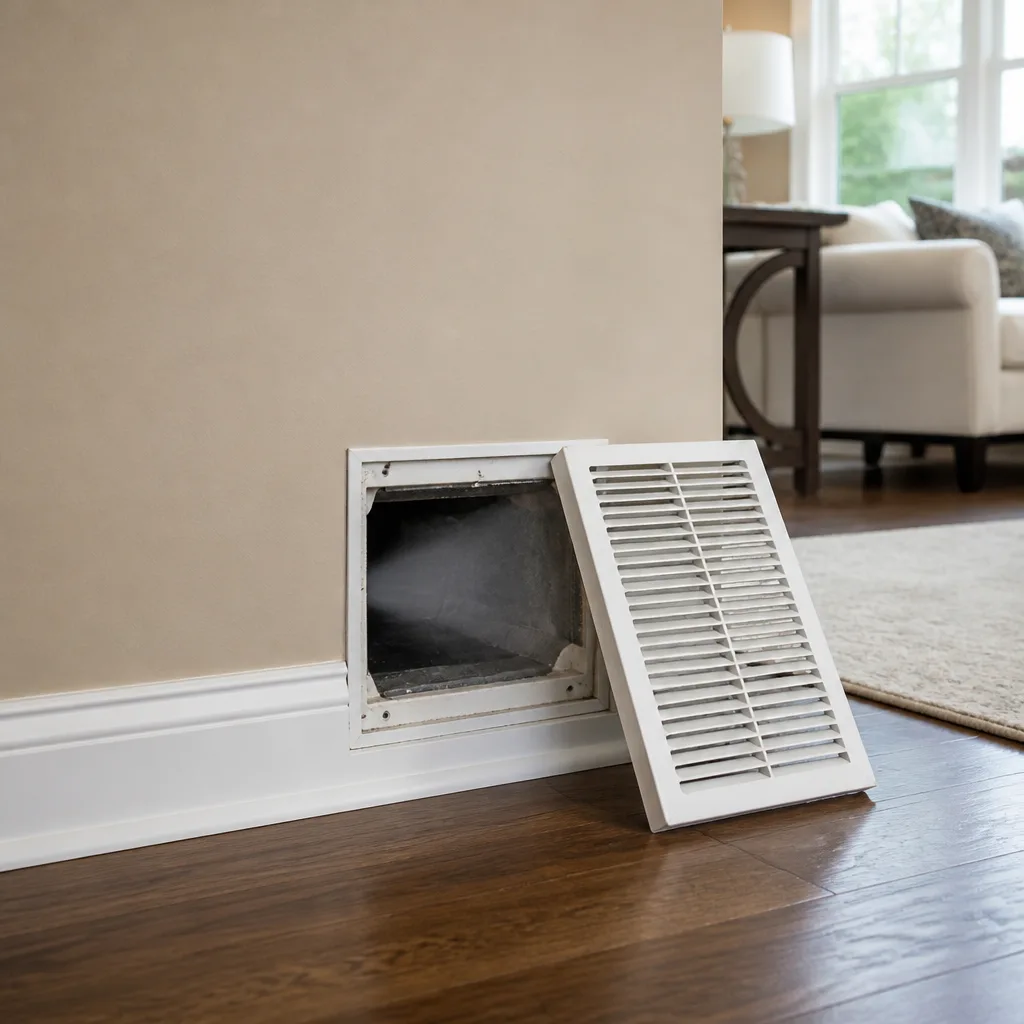 Sanitizing & deodorizing
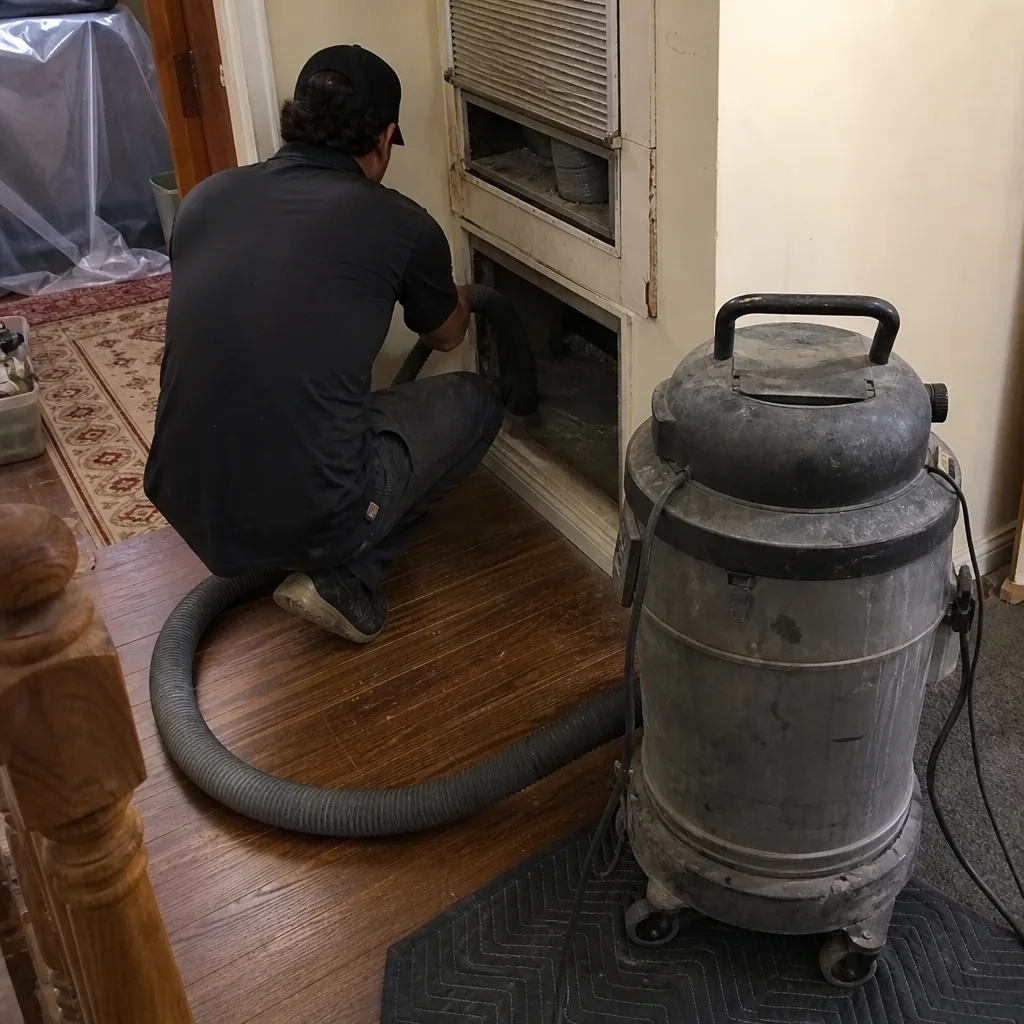
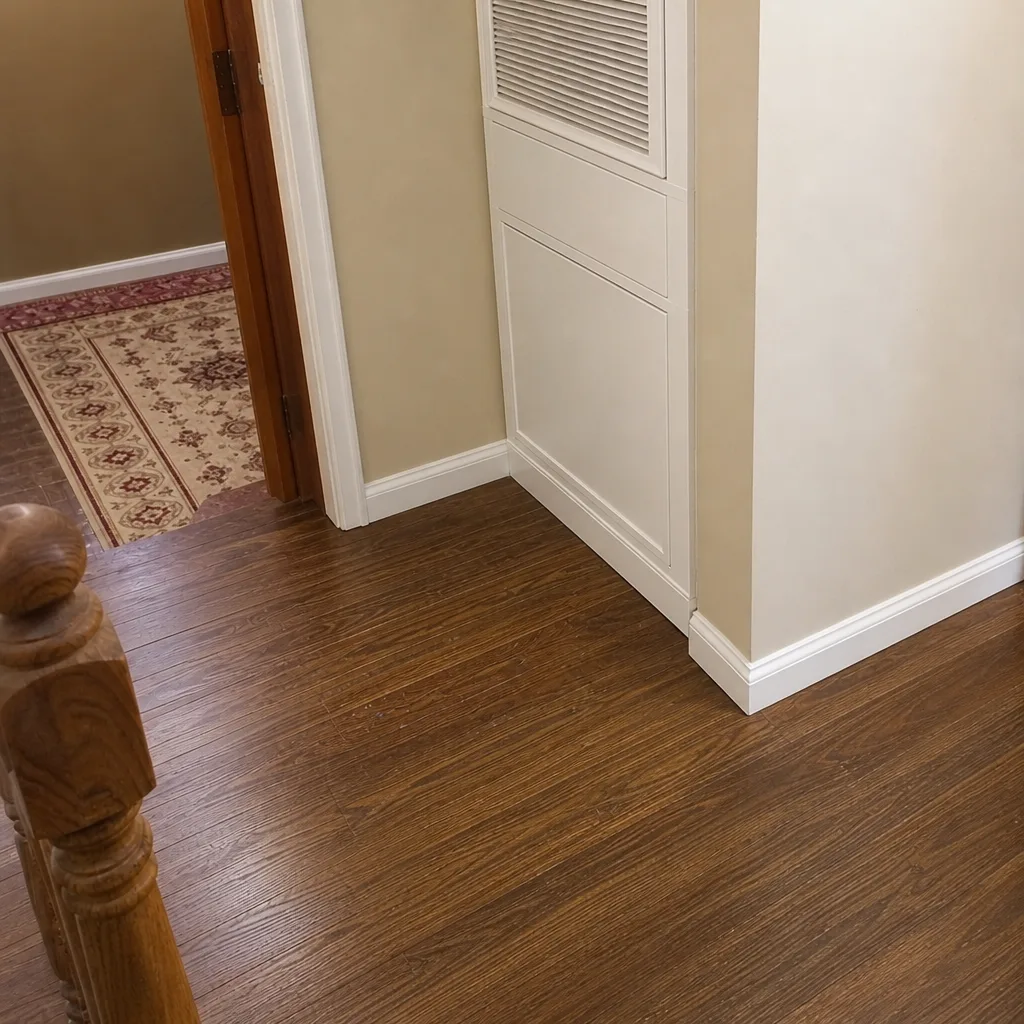
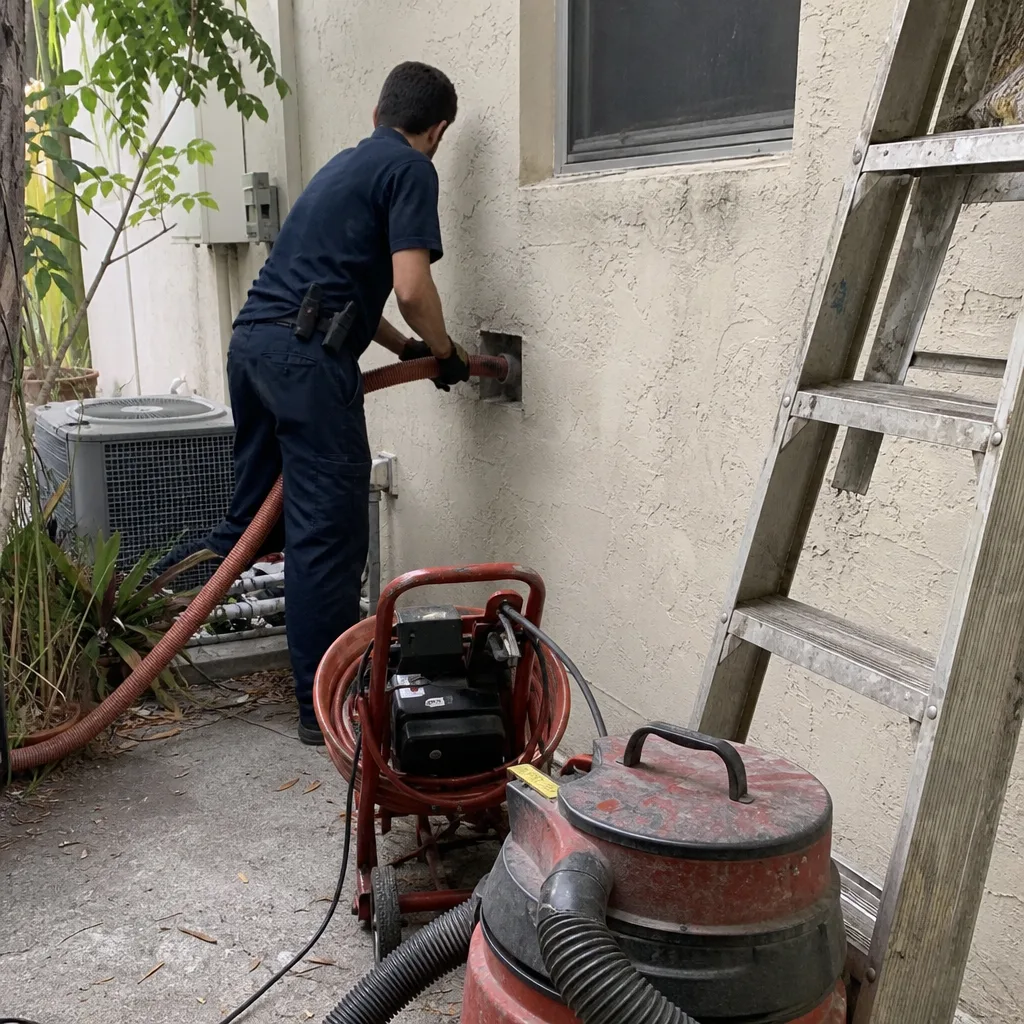
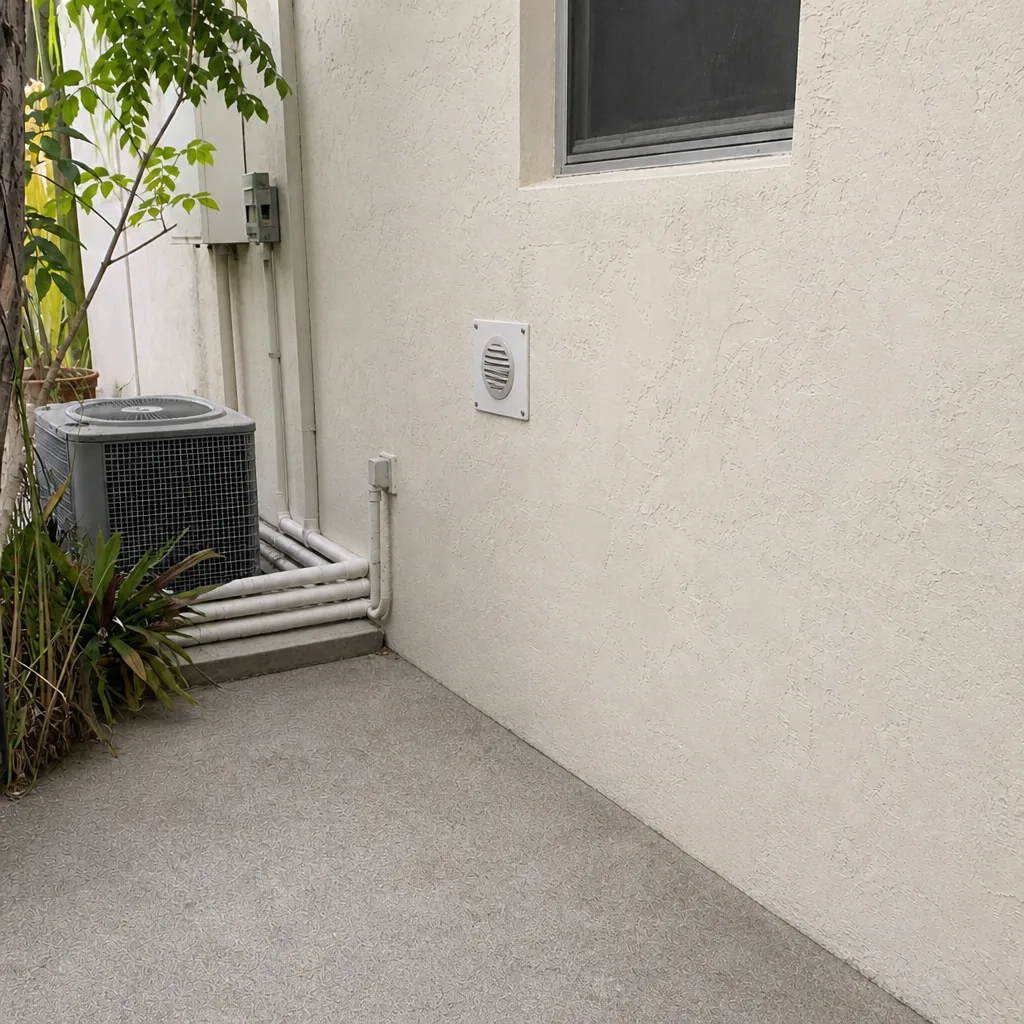
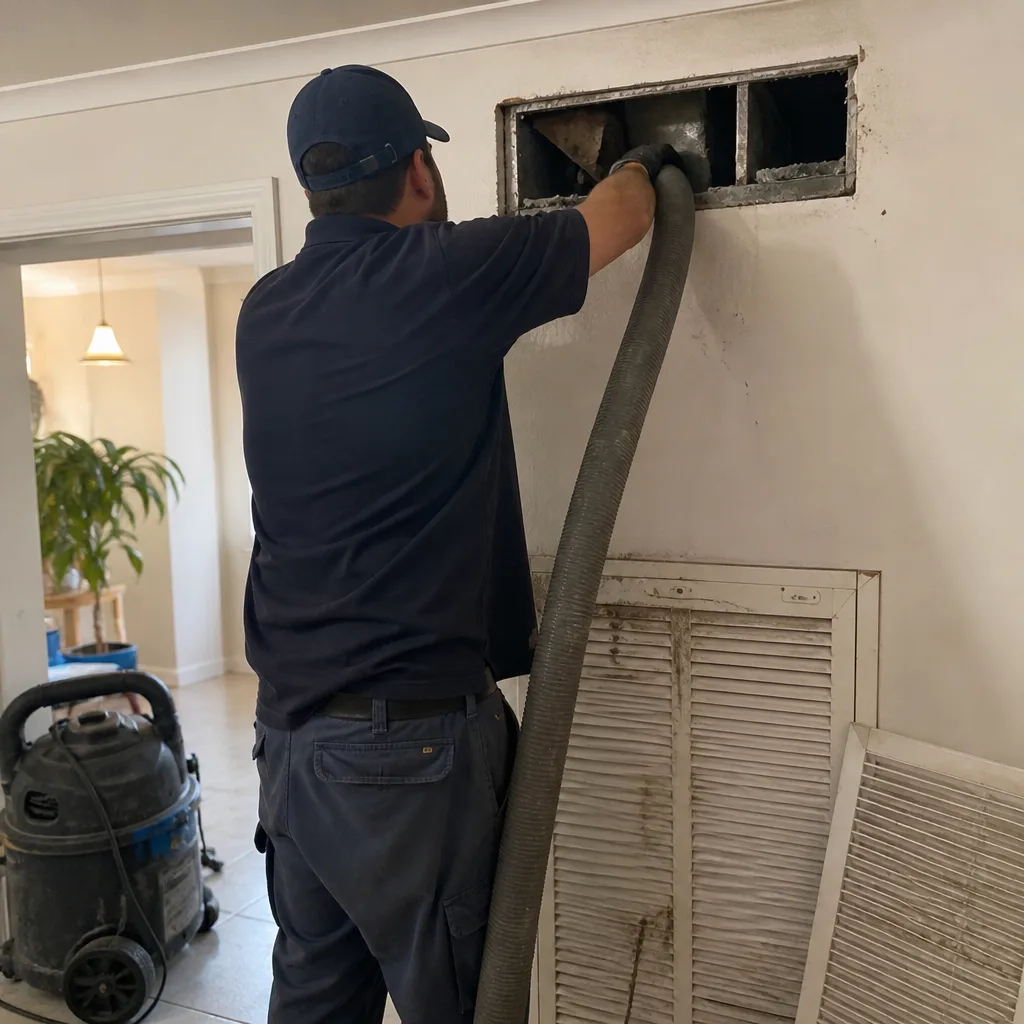
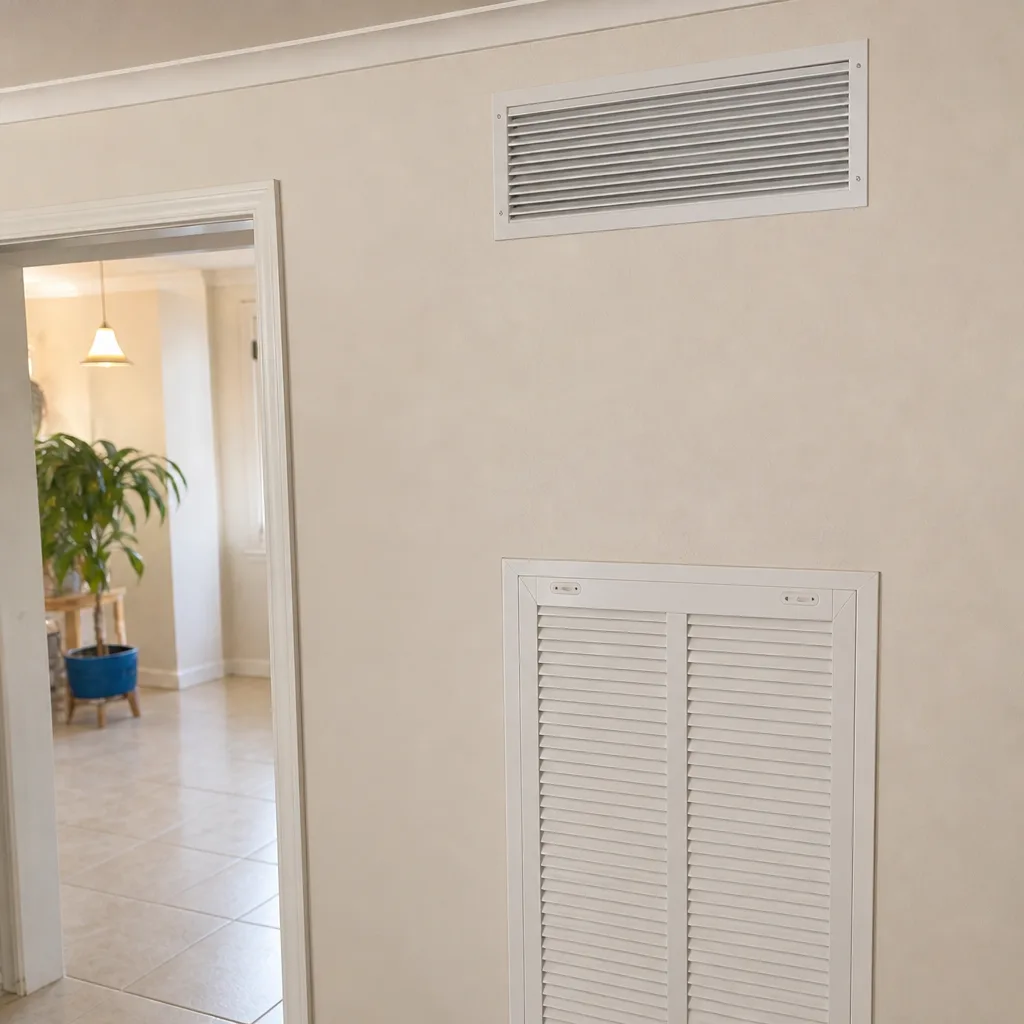
Whole-system duct and dryer vent check with before-and-after photos - you see exactly what came out of your vents
That "$99 whole-house special" is a bait ad - the real number appears once they are in your hallway, or the "clean" is a shop-vac at the register. We photograph the inside of your ducts before and after instead.
Air Duct Cleaning Warning Signs: A Pompano Beach Homeowner’s Reference Guide
Most warning-sign guides point you at the obvious stuff: dust on the vent cover, a dirty filter, a faint musty smell everyone learns to live with. In Pompano Beach, that advice misses the real story. The warning signs that actually matter here show up in patterns the eye skips – an odor that appears only when the AC first kicks on, one bedroom that struggles to cool while the rest of the house is fine. These are the clues that tell you something is happening inside the duct system long before dust piles up. This guide walks through the signs worth acting on, which ones need urgent attention, and how clean ducts should behave once a job is done right.
Quick Answer
The main warning signs that your air ducts need attention in Pompano Beach are a musty odor that returns when the system runs, weak or uneven airflow in rooms far from the air handler, visible dust or debris on supply and return grilles, streaks or soiling around vent edges, and higher-than-usual dust settling on surfaces. Odors that track with humidity or rain, and cooling trouble in specific rooms, are the earliest indicators and usually point to moisture or contamination inside the system rather than surface dust.
Styles & brands we work with
- Whole-home duct cleaning
- Dryer vent cleaning
- Camera inspection
- Sanitizing & deodorizing
Table of Contents
- Why Pompano Beach Ducts Age Differently
- Contamination vs. Performance Signs: Which Needs Urgent Response
- Humidity-Tied and Rain-Tied Odors
- How to Do a Grille-Level Inspection With a Flashlight and Phone
- Warning Signs That Cleaning Alone Won’t Fix
- What “Normal” Looks Like After a Proper Cleaning
- How to Check Your System Between Seasons
- Common Mistakes to Avoid
Why Pompano Beach Ducts Age Differently
Pompano Beach sits inside a humid subtropical climate. That single fact changes what warning signs look like. In a drier place, duct problems usually start with dust accumulation. Here, they usually start with moisture. Air conditioning runs for most of the year, which keeps the evaporator coil wet for long stretches and keeps interior duct surfaces on the cool, condensation-prone side. That’s the environment where mold spores find a foothold, where insulation gets soft, and where a duct system can look clean from the outside while harboring growth inside.
Homes around Pompano Beach also come in a mix of build styles and ages – blocks of older single-family homes, mid-century ranch layouts, and newer construction closer to the beach corridor. The duct layouts differ enough that no single rule applies to all of them. What does translate across buildings is the mechanism: continuous cooling load plus humidity equals persistent moisture on cool surfaces, and persistent moisture is the doorway to biological growth and degraded airflow.
That matters for a homeowner because it shifts what you watch for. You’re looking less for a pile of visible dust and more for evidence that moisture has had time to work inside the system.
Contamination vs. Performance Signs: Which Needs Urgent Response
Warning signs fall into two broad groups, and the urgency is different for each. Getting this distinction right is the single most useful thing you can take from this guide.
Contamination signs
- Persistent musty or earthy odor inside the home
- Visible dark speckling, staining, or fuzzy growth on or near grilles
- Droppings, insect casings, or evidence of pest activity around vents
- Construction debris (drywall dust, sawdust, scraps) left in supply runs after a renovation
- Increased allergy or respiratory irritation that tracks with running the system
Contamination signs need prompt action, and construction debris should never be left in a system – drywall dust clogs a coil fast and can be pulled through the blower. Biological growth is the one that warrants a call fairly soon. Mold needs moisture to establish, so a contamination finding usually means a moisture source exists somewhere upstream.
Performance signs
- Weak airflow at supply registers
- Rooms that never reach the thermostat set point while others do
- Longer run times with no clear outdoor-temperature cause
- Whistling or whooshing at grilles, or a pressure imbalance you can feel
- A room that gets hotter than the rest of the house in the afternoon
Performance signs tend to develop gradually and don’t always require same-day response, but they shouldn’t be dismissed. Leaky or crushed ducts, disconnected runs, and undersized returns all cause them, and none of those resolve on their own. In our experience, performance complaints in Pompano Beach homes often trace back to a duct problem the homeowner didn’t know existed because the symptom looked like an AC issue.
Humidity-Tied and Rain-Tied Odors
One of the most telling signs in South Florida is an odor whose timing gives it away. If the smell appears when the AC cycles on and fades ten minutes later, it’s not a one-time cooking smell or a stale room. That short burst suggests air is passing over a wet surface that has had time to grow something. The usual suspects are a damp evaporator coil, standing moisture in the duct plenum, or soaked insulation inside a run.
Watch for these timing patterns:
- Odor on system startup, then clears. Points to microbial growth on a wet coil or plenum surface.
- Odor worsens on humid days or after rain. Points to moisture entering the duct system – think compromised duct insulation, a disconnected run pulling attic air, or a return that draws from a damp space.
- Odor only in one area of the house. Points to a specific duct run or a room return with a moisture issue.
- Odor that reappears a few weeks after cleaning. Points to a moisture source that cleaning didn’t address.
That last pattern is the one worth pausing on. Cleaning removes debris and growth from surfaces, but it doesn’t fix what’s wetting those surfaces. If the moisture source is still there, the growth comes back, and the homeowner is left wondering whether the cleaning actually happened. Fixing the moisture is the durable answer.
How to Do a Grille-Level Inspection With a Flashlight and Phone
You don’t need special tools to gather useful evidence before you call anyone. A flashlight and a phone camera will surface enough to make an informed call. Keep it simple and safe: stay off ladders near electrical fixtures, don’t unscrew the air handler cabinet, and don’t reach into the duct interior by hand.
- Turn the system off at the thermostat. This stops airflow so dust settles and any current-borne debris doesn’t get pushed around.
- Photograph every supply and return grille. Shoot straight on and zoom in. Note the date and room in the photo.
- Shine a flashlight into each supply register. Look for dust coating the inside of the boot, dark speckling, debris, or a loose insulation liner.
- Photograph the return grille and the filter slot. Note the color and volume of dust on the filter, and whether the filter sits flush.
- Check the air handler closet if accessible without tools. Look for condensation on the cabinet, water stains, or a musty smell concentrated in that space.
- Write down your observations room by room. Note which rooms have weak airflow and whether odors appear on a schedule.
That record becomes the difference between “something smells a bit off” and a contractor arriving with a clear picture. It also lets you compare against a future inspection. For a Pompano Beach homeowner, the grille-level photos are what surface early moisture evidence before the problem spreads through the whole system.
Warning Signs That Cleaning Alone Won’t Fix
Some problems look like a cleaning issue but aren’t. This is the territory where discount operators get stuck, running a brush through a duct and leaving the underlying cause untouched. Recognizing these signs up front means the right scope is agreed before work starts, not added after.
- Crushed or disconnected duct runs. Flexible duct in an attic can sag, kink, or come loose at a connection. This causes airflow loss and pulls attic air into the system. Cleaning won’t reattach or straighten it – a repair is required.
- Compromised duct insulation. If the liner is waterlogged or torn, it needs repair or replacement, not a wipe-down.
- Filtration or cabinet damage at the air handler. A warped filter slot or a damaged cabinet seam lets unfiltered air bypass the filter entirely and bypasses the point of cleaning.
- Established mold growth inside a duct. Proper removal usually involves containment-level work and may call for remediation, not just brushing.
- A wet evaporator coil that keeps recontaminating the system. A coil cleaning and moisture fix belong in the scope.
That’s the reason duct repair should stand on its own as a service, not get folded into cleaning. We repair ducts, not just clean them, because dirty ducts and damaged ducts are different problems that need different answers. The same logic explains why we keep dryer vent cleaning and duct integrity checks in the same visit: one company, one scope, no handoffs.
What “Normal” Looks Like After a Proper Cleaning
Knowing what a resolved system looks like is the easiest way to spot a job that didn’t actually solve the problem. If a cleaning only removed visible dust and left the moisture source behind, the signs come back fast. That’s the difference between masking a symptom and fixing a cause.
After a properly scoped cleaning and any necessary repair, expect the following:
- Odor cleared and staying cleared. The musty smell on startup should not return within a few weeks. If it does, moisture is still present.
- Grilles appearing visibly clean inside. A flashlight view into the boot should show clean metal, not dust or speckling.
- Airflow returning to weak rooms. Cooling in previously cold or warm rooms should even out. If it doesn’t, the airflow issue was a duct problem, not a dirt problem.
- Filter lasting a normal cycle. A filter that loads up abnormally fast points to debris still in the system or a bypass around the filter slot.
- Consistent cooling without long run times. A system that still runs long after a cooling call is telling you the ducts are still restricting flow.
Before-and-after photos of your own ducts are the most reliable proof of what was actually done. A contractor who can show you the ducts before and after – not someone else’s photos, yours – has nothing to hide. That’s the level of evidence we build into every job, because a homeowner shouldn’t have to take a technician’s word for the state of their system.
How to Check Your System Between Seasons
Pompano Beach doesn’t have a true off season for HVAC, but the rhythm of the year still creates natural checkpoints. The dry stretch of late winter and early spring is a good time to look over the system before the heavy cooling months. The rainy season is when moisture problems tend to surface fastest.
A short routine gets you the most information for the least effort:
- Change or check the filter. Hold it up to the light. If light doesn’t pass through easily, replace it.
- Walk the grilles with a flashlight. Look for staining, lint, or a loose liner at each register.
- Note room-to-room airflow. If a room feels weak, write it down with the date.
- Smell-check on startup. Run the system from cold and note any odor and how long it lasts.
- Photograph anything suspicious. A dated photo helps you spot a change from a nuisance to a real problem.
For a Pompano Beach homeowner, tracking these few items seasonally means you’re catching early moisture signs before they develop into something a cleaning alone can’t fix. If you’d rather set up a scheduled check, air duct cleaning is the starting point, and we’re glad to walk you through what a proper inspection looks like.
Common Mistakes to Avoid
- Waiting for visible dust before calling. Most Pompano Beach duct moisture problems don’t produce visible dust inside the duct – the odor and airflow signs show up first. By the time there’s a visible pile, growth has often been running for a while.
- Assuming a musty smell is a nuisance. That short startup odor is a moisture signature. Treating it as an inconvenience lets the growth spread through the system.
- Buying on price without a written scope. A very low quote often means a shop vac and a quick pass. Ask what equipment is used, whether the air handler is included, and whether any damage is being inspected.
- Cleaning a duct that should be repaired. A crushed run or torn insulation still causes airflow loss after the cleaning. The cleaning fee gets spent and the underlying problem remains.
- Accepting the promise of before-and-after photos instead of actually getting them. Ask to see your ducts, not stock images. Photos of your own system are the honest proof of what was done.
- Overlooking the dryer vent. In a warm, humid climate the laundry runs often. A clogged dryer vent is a fire risk, not a maintenance afterthought. Dryer vent cleaning addresses it directly.
- Skipping a moisture source check. If a cleaning solved the symptom but left the source – a wet coil or a duct pulling attic air – the problem returns.
See the difference
 Before
 After
 Before
 After
 Before
 After
When to Call a Professional
Call us for a pro inspection when you spot any of the following: a musty odor that returns on startup or tracks with humidity; airflow that’s noticeably uneven between rooms; visible staining, debris, or growth inside a grille; a disconnected or crushed duct; a dryer that takes noticeably longer to cycle; or a home that’s recently had a renovation. These are the scenarios where home inspection and cleaning with proper equipment is worth the call.
Valor Air Duct Cleaning offers free estimates in Pompano Beach – call (844) 795-4871. We answer 24/7. Fast dispatch from 7am to 7pm, Sunday through Friday. We arrive with rotating brush systems and negative-air equipment from Nikro and Abatement Technologies – the same tools trusted in commercial restoration, used in your home. The price is one flat price per system, agreed before any work starts, with before-and-after photos of your own ducts.
Frequently Asked Questions
The most reliable early signs are a musty odor that appears when the AC first runs, uneven airflow in rooms far from the air handler, visible staining or debris at grilles, and dust that reappears faster than it should after cleaning surfaces. Odors that track with humid days or rain are especially telling because they usually point to moisture, not surface dust. Call (844) 795-4871 for a free estimate if you spot two or more of these at once.
Because moisture is getting into the system. In Pompano Beach’s humid climate, a compromised duct insulation, a disconnected run pulling attic air, or a wet plenum surface gives microbial growth a water source. When humidity rises or rain rolls in, that source stays wetter and the odor gets stronger. Cleaning helps, but the moisture source has to be found and fixed to keep the odor from returning. We answer 24/7 at (844) 795-4871 – fast dispatch from 7am to 7pm, Sunday through Friday.
Most homes here benefit from cleaning every few years, but our humid climate, continuous cooling load, and frequent renovations can warrant it sooner if warning signs appear. There’s no fixed schedule that fits every Pompano Beach home. If you notice odor, uneven airflow, or dirty grilles before a scheduled cleaning, that sign matters more than the calendar. Call (844) 795-4871 for a free estimate and an honest read on your system.
Because a low quote is often for a quick surface pass with consumer-grade equipment, not a contained cleaning with a proper scope. When a company shows up with a shop vac and a logo, there’s no negative-air capture, no brush system to reach duct walls, and no inspection of duct damage. The result is a low invoice that leaves the underlying problem in place. One flat price per system, agreed before work starts, with before-and-after photos, tells you what you’re actually paying for. Call (844) 795-4871 for an honest quote.
Ask for before-and-after photos of your own ducts, and inspect the system yourself when the crew is finished. A flashlight view into a supply register should show clean metal, and the startup odor should be gone and stay gone. If you can’t see evidence of the before state, you’re being asked to trust a promise. We photograph your own ducts before and after every job. Call (844) 795-4871 for a free estimate.
When the warning signs point to structural damage or a persistent moisture source. A crushed duct, disconnected run, waterlogged insulation, or an established mold problem inside a duct means cleaning alone will only treat the symptom. In those cases, air duct repair, coil cleaning, or remediation needs to be part of the scope. We repair ducts, not just clean them, because that’s the difference between a real fix and a repeat call. Call (844) 795-4871 for a free estimate and we’ll identify what your system actually needs.
The Bottom Line
In Pompano Beach, the warning signs worth acting on are rarely the obvious ones. Odors that show up when the AC first kicks on, airflow that’s uneven room to room, and dirt that reappears quickly are the earliest indicators of moisture and contamination inside the system. Contamination signs deserve prompt attention; performance signs point to duct integrity. A flashlight and a phone camera can gather enough evidence to make a confident call. And knowing what “resolved” looks like – cleared odor, even airflow, clean grilles – is how you tell a real fix from a temporary mask. Valor Air Duct Cleaning handles air duct cleaning, dryer vent cleaning, and duct repair as one scope, in Pompano Beach and the surrounding area.
Written by the team at Valor Air Duct Cleaning, serving Pompano Beach since 2018.