
Last updated November 14, 2026
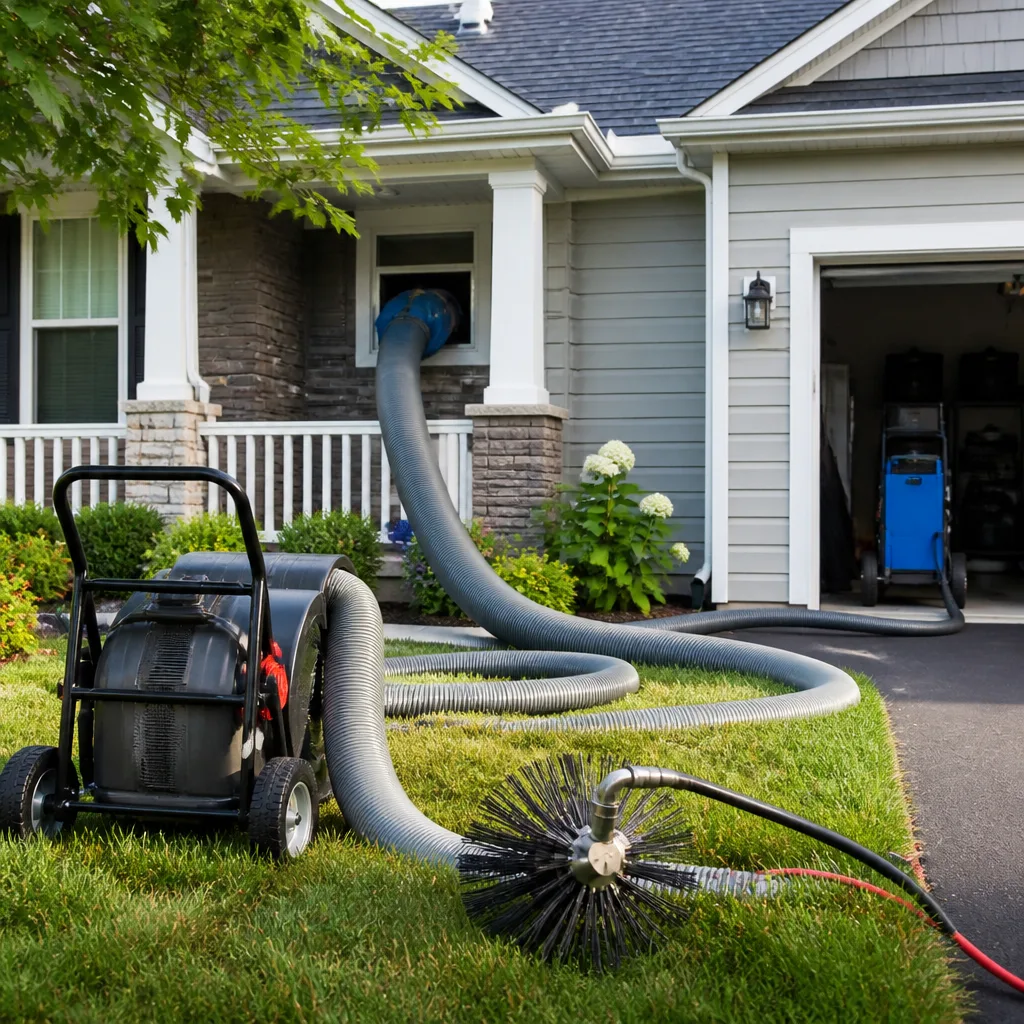 Whole-home duct cleaning
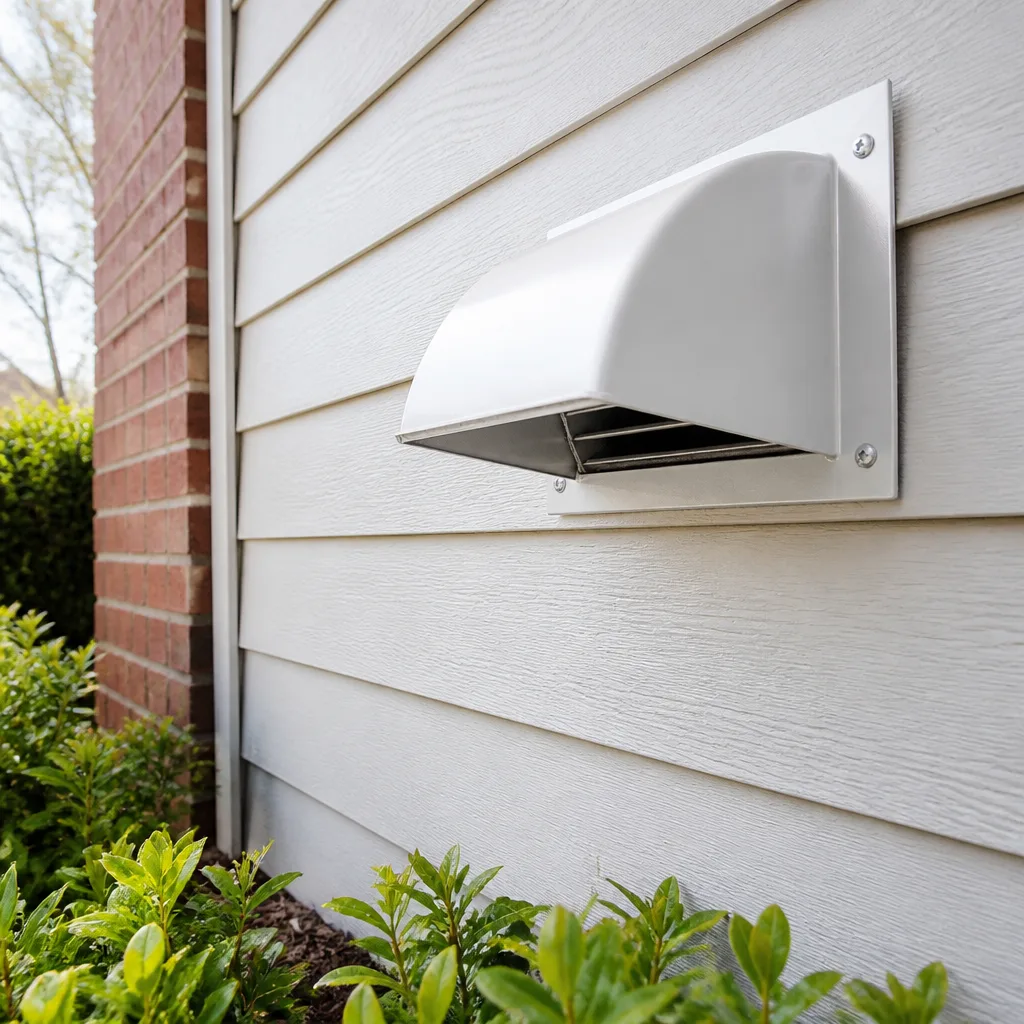 Dryer vent cleaning
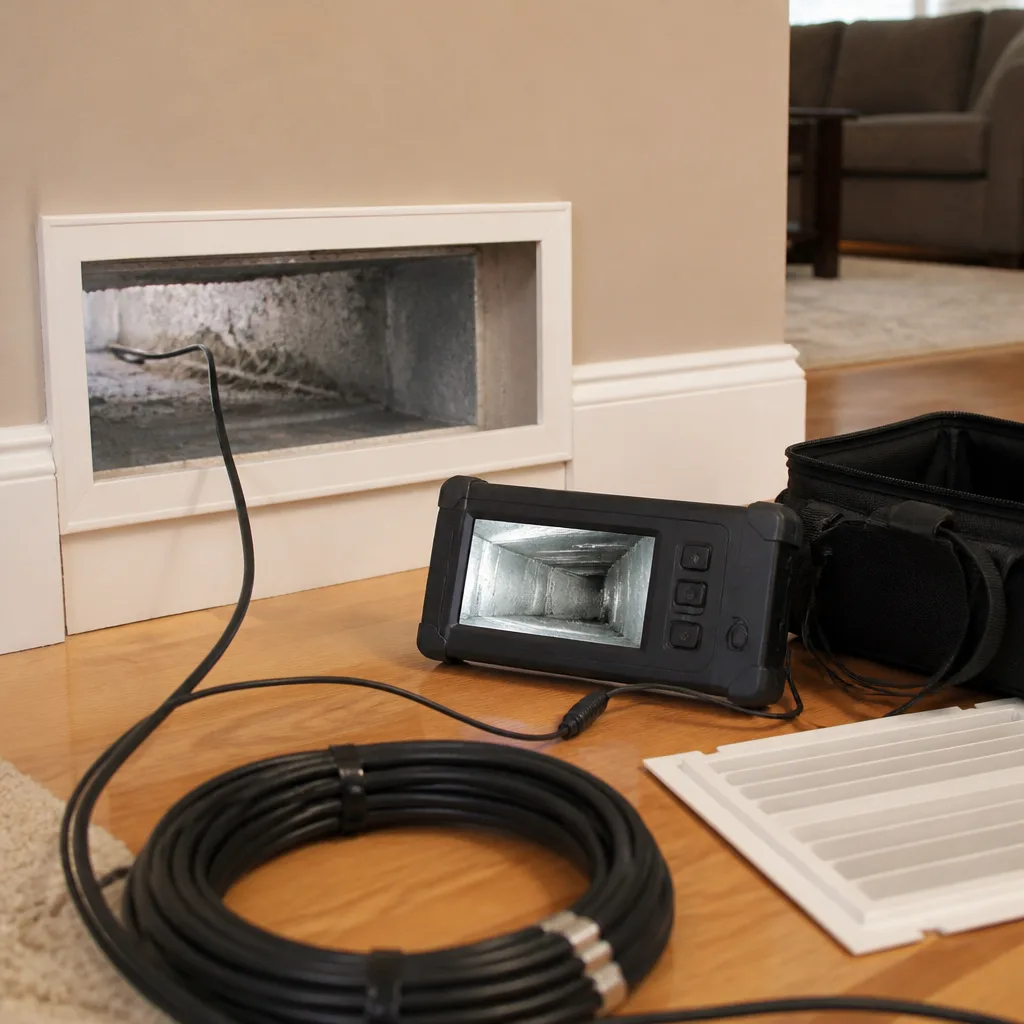 Camera inspection
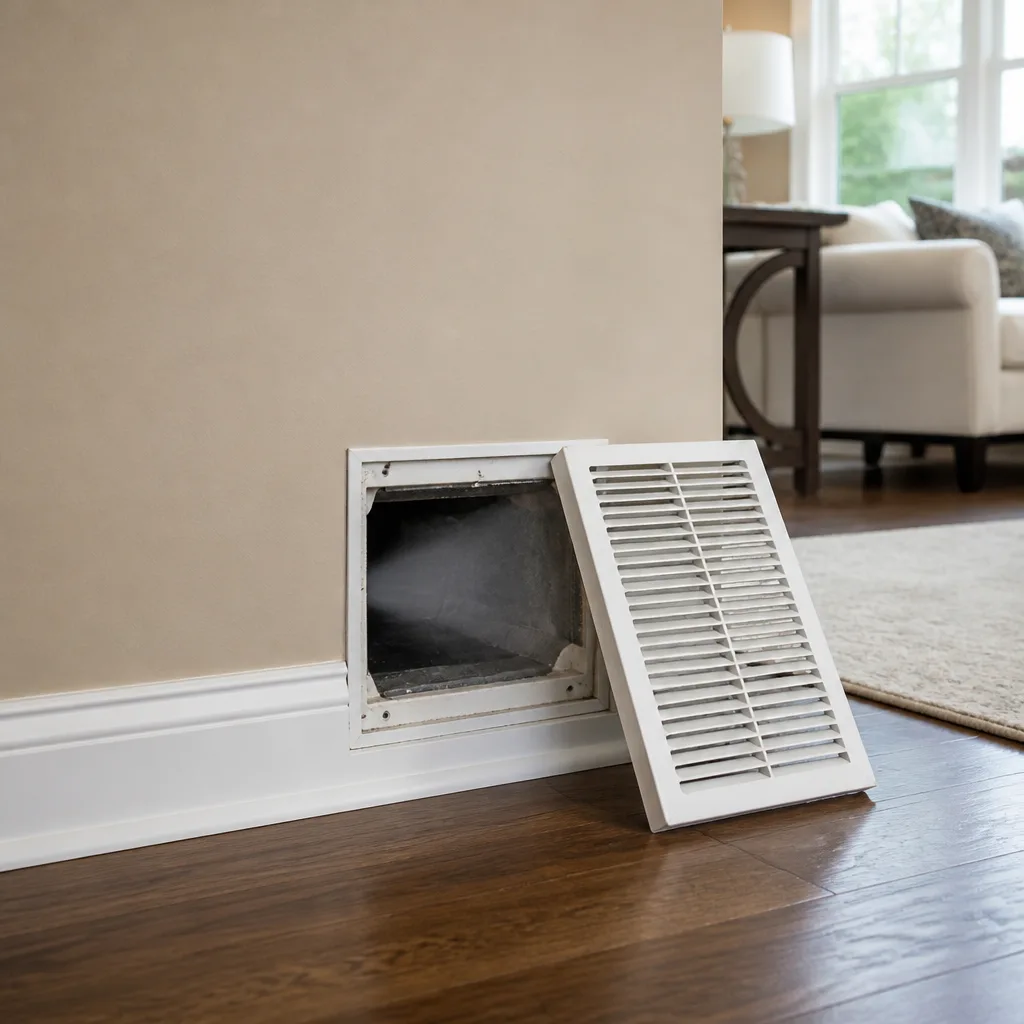 Sanitizing & deodorizing
Whole-system duct and dryer vent check with before-and-after photos - you see exactly what came out of your vents
That "$99 whole-house special" is a bait ad - the real number appears once they are in your hallway, or the "clean" is a shop-vac at the register. We photograph the inside of your ducts before and after instead.
Air Duct Cleaning Maintenance Schedule: What to Do and When
Two homes sit side by side. Same square footage, same builder, same age. One runs a MERV-13 filter and the other uses the cheap fiberglass panel the builder left in the slot. Thirty-six months in, their ducts look nothing alike. Yet almost every maintenance guide on the internet hands both homes the same advice: clean every three to five years. That single interval ignores the variables that actually drive how fast your ductwork collects debris. In this guide we’ll show you how to build your own schedule from four inputs – filter grade, pets and occupants, renovation history, and how many months a year your system runs. If you live in Pompano Beach, that last variable matters more than you might think.
Quick Answer
In Florida, most homes need professional air duct cleaning every 3 to 5 years under normal conditions, but Pompano Beach homes where the AC runs nearly year-round often land closer to every 2 to 4 years. A MERV-13 filter, no pets, and no recent renovation can stretch that to 5 years. Pets, recent drywall work, or a low-grade filter can pull it down to 2. The right answer for your house depends on four variables, not a national average.
Styles & brands we work with
- Whole-home duct cleaning
- Dryer vent cleaning
- Camera inspection
- Sanitizing & deodorizing
Table of Contents
- The Four Variables That Set Your Cleaning Interval
- Why Pompano Beach’s AC Season Compresses Contamination Timelines
- Filter Swap Cadence: The Cheapest Maintenance You Can Do
- What to Do Between Professional Cleanings
- Post-Renovation Cleaning: A Separate Schedule, Not a Routine One
- What to Document After Every Cleaning
- When the Problem Is Damage, Not Dirt
- Signs You’ve Waited Too Long
The Four Variables That Set Your Cleaning Interval
Forget the calendar for a moment. Your ductwork collects debris at a rate that’s set by conditions inside your home, and four inputs drive almost all of it. Once you know where you land on each one, you can stop guessing and start scheduling.
1. Filter MERV Rating
A higher MERV rating captures more particles before they reach the ductwork. A MERV-13 filter traps far more fine dust than a MERV-6, which means less material settles on duct walls over time. That difference compounds month after month. Check what’s actually in your return grille right now – not what you meant to install. If it’s a thin fiberglass panel, your ducts are doing work the filter should be doing.
Higher MERV isn’t automatically better, though. A filter rated too high for your blower’s capacity can restrict airflow and strain the system. Match the filter to your equipment, not to a marketing claim on the package. Honeywell and Aprilaire both publish compatibility data for their filter cabinets, and if your home has one of those systems installed, the right filter grade is usually documented on the cabinet label.
2. Pets and Occupants
One dog sheds more material into a return duct in a year than most families generate in five. Pet dander, hair, and tracked-in soil all enter the airstream and settle where velocity drops – which is exactly where duct contamination builds. Households with two or more pets, or with occupants who have allergies or asthma, should assume the shorter end of any cleaning interval.
3. Renovation History
Drywall dust is the single most aggressive contaminant a residential duct system will ever see. It’s fine, it’s alkaline, and it travels through an entire house within a day of sanding. If your home has had any renovation in the last two years – even a bathroom remodel – your effective cleaning interval resets from the date the work finished.
4. Months Per Year the System Runs
This is the variable most guides ignore entirely. A home in a mild climate might run its HVAC six months a year. A Pompano Beach home runs it closer to eleven or twelve, because the cooling season here doesn’t really stop. Every hour of runtime moves air through the ducts, and every hour of moving air deposits a fraction of its particulate load on duct surfaces. Double the runtime, and you roughly double the accumulation rate.
Put those four inputs together and you get something far more useful than a national average. A Pompano Beach home with a MERV-13 filter, no pets, no renovation, and a well-sealed system might genuinely go five years. The same house with two dogs and a recent kitchen remodel should be on a two-year cycle.
Why Pompano Beach’s AC Season Compresses Contamination Timelines
Most air duct cleaning advice you’ll read is written from a national template, and that template assumes your system takes a real winter off. In Pompano Beach, it doesn’t. Our cooling season runs long, the shoulder months stay warm, and a house that shuts the system down for a genuine break is the exception rather than the rule.
What does that mean in practice? The “3 to 5 years” figure you see everywhere was built around average US runtime. Stretch runtime toward twelve months and the same duct system reaches the same contamination level in less calendar time. That’s the whole mechanism – more air moved, more debris deposited, more condensation cycling through a system that’s never fully dormant.
Humidity plays a role too. A cooling system that runs continuously keeps its evaporator coil wet for more of the year, and a damp coil box is a far better environment for biological growth than a dry one. That growth doesn’t stay in the coil. Air carries spores downstream into the supply plenum and the branch ducts. None of this means every Pompano Beach home needs annual cleaning – but it does mean the upper end of any national range is a poor fit for most homes here.
A Practical Adjustment
Here’s the working rule we use. Take the interval your four variables suggest, then shorten it by roughly 20 to 25 percent to account for near-year-round runtime in Pompano Beach. A home that would land on a five-year schedule in a cooler climate lands closer to four here. A home that would be on a three-year interval lands near two and a half. It’s not a hard formula, but it’s a much better starting point than a flat national number.
Homes near the beach side of Pompano Beach and older properties closer to the Intracoastal tend to run their systems even harder, simply because the cooling load is higher. That’s another reason the low end of the range shows up here more often than the high end.
Filter Swap Cadence: The Cheapest Maintenance You Can Do
If you do nothing else from this guide, do this. Filter changes are the single highest-leverage maintenance task for duct cleanliness, and they cost almost nothing compared to a professional cleaning.
Most manufacturers print a recommended interval on the filter frame, but the printed number assumes average conditions. In Pompano Beach, with near-continuous runtime, you should shorten it. A filter rated for 90 days under average conditions will load faster here.
Suggested Filter Cadence for Pompano Beach Homes
- 1-inch filters: every 30 to 60 days during peak cooling season.
- 4-inch media filters: every 6 to 9 months, checked quarterly.
- 5-inch media cabinets (Honeywell, Aprilaire): every 9 to 12 months, with a visual check at the halfway mark.
- Any filter after renovation work: replace immediately once sanding is finished, then again 30 days later.
A filter that’s visibly gray across its face is overdue. So is one that has started to bow toward the blower – that’s a sign of pressure drop caused by loading. Hold a filter up to a light source. If you can’t see light through the media, it’s finished.
Why the Right Grade Matters
We stock and service Honeywell and Aprilaire air quality components, and one thing that comes up in almost every conversation is filter grade. A homeowner who moved from a fiberglass panel to a MERV-11 media filter often notices less dust settling on furniture within a month. That same improvement means less material reaching the ductwork. The filter is doing the work your ducts would otherwise be doing for you.
What to Do Between Professional Cleanings
Professional cleaning resets the clock. These tasks slow the clock back down. None of them require special tools, and most take under fifteen minutes.
- Swap or check the filter. Covered above, but it belongs on this list because it’s the one that matters most. Set a reminder on your phone tied to a date, not to a feeling.
- Vacuum the return grille. The grille face catches dust before it enters the return. A brush attachment on a household vacuum, run across the grille every few months, keeps that first layer from migrating inward.
- Check the condensate drain. A clogged drain line causes standing water in the coil box, and standing water feeds biological growth that then gets carried through the ducts. Pour a cup of water into the drain pan once a season and confirm it flows out freely. If it backs up, call an HVAC technician before it becomes a bigger problem.
- Keep the return path clear. Furniture pushed against a return grille cuts airflow and changes how debris settles in the duct behind it. Leave clearance.
- Watch for dust streaks near supply registers. Dark smudges around a register face often mean air is escaping around the boot rather than through it, which points to a sealing issue rather than a dirt issue.
- Note the date of the last professional cleaning. Write it inside the air handler cabinet door or on a label near the filter slot. Future-you will thank present-you.
None of these tasks replace professional cleaning. What they do is stretch the interval between cleanings, and in a Pompano Beach home running its system nearly year-round, that stretch is real money.
Post-Renovation Cleaning: A Separate Schedule, Not a Routine One
Renovation debris is its own category, and it doesn’t belong on your routine maintenance calendar. It resets the calendar.
Here’s what happens. Drywall sanding produces a fine, alkaline dust that stays airborne for hours and travels through every connected space. In a home with an operating HVAC system, that dust is pulled into returns and distributed through supply ducts within a single workday. The result is a uniform coating on duct surfaces that ordinary filter changes won’t remove.
Why Waiting Even 30 Days Changes the Debris Profile
Dust that’s been sitting on a duct wall for a month behaves differently than fresh dust. In a humid climate like Pompano Beach’s, moisture cycles cause drywall dust to bind to surfaces and sometimes clump with other debris. A cleaning done immediately after sanding captures loose material easily. A cleaning done 30 days or more after the work is finished has to deal with material that’s had time to settle, bind, and in some cases become part of the surface layer.
That’s not an argument for waiting longer. It’s an argument for cleaning promptly once the dust has settled – typically within two to four weeks of the final sanding, and after a fresh filter has been installed. If the renovation involved anything beyond cosmetic work – new tile, cabinetry, flooring removal – the case for prompt cleaning gets stronger.
The Renovation Cleaning Checklist
- Replace the HVAC filter on the day sanding finishes.
- Keep the system running during the work if possible, with a fresh filter, so dust is captured rather than settling into the ducts.
- Schedule a professional cleaning 2 to 4 weeks after the final sanding.
- Replace the filter again after the cleaning.
- Note the cleaning date as the new start of your routine interval.
One more thing worth noting: if the renovation involved any wall removal or new construction within the home, debris can enter the duct system through gaps in framing and boot connections. We frequently find that air duct cleaning after a renovation uncovers loose joints or disconnected boots that were invisible before. That’s why we offer duct repair as a separate service – cleaning dirt out of a damaged duct doesn’t solve the underlying leak.
What to Document After Every Cleaning
Every professional cleaning should leave you with a record. Not because you need a binder full of paperwork, but because the next service call goes faster and the technician makes better decisions when they have history.
Here’s what to capture:
- Before-and-after photos of your ducts. Any honest cleaning company will take these. Ask for them if they aren’t offered. They’re the single best proof that the work was actually done.
- Before-and-after airflow readings. Static pressure readings at the air handler and register airflow measurements tell you whether the cleaning made a measurable difference. They also give the next technician a baseline to compare against.
- Filter type and MERV rating installed. Note the exact model, not just “the blue one.” Future decisions about filter cadence depend on this.
- Date of service and equipment used. Recording that a Rotobrush rotary brush system was used tells the next technician the duct surfaces were mechanically agitated, not just vacuumed. That’s a different starting condition than a blow-and-go job.
- Anything found during the cleaning. Loose boots, damaged flex duct, signs of moisture, disconnected returns. These are the findings that turn into a repair conversation rather than a cleaning conversation.
- Recommended next service date. A good technician will leave this based on what they actually saw, not a default interval.
Keep the record with your HVAC system’s other service history. When you call for the next cleaning, that history turns a general estimate into a specific one.
When the Problem Is Damage, Not Dirt
Not every air quality problem is a cleaning problem. Sometimes the ducts themselves are compromised, and no amount of cleaning will fix that. This is where the schedule needs to change to a repair schedule.
Signs of Duct Damage
- Rooms that stay warm or cool poorly while others in the home are fine.
- Visible dust around register faces or in the supply airstream.
- Higher-than-normal humidity inside the home despite the AC running.
- Whistling or rushing sounds at supplies that suggest leakage.
- Visible tears, sagging, or disconnected sections in exposed ductwork.
- Higher energy bills without a corresponding change in usage.
We repair ducts, not just clean them, and the distinction matters more than most homeowners realize. Dirty ducts and damaged ducts are different problems. Cleaning a torn return doesn’t stop the leak, and it certainly doesn’t stop the attic air that leak is pulling into your living space. If a pre-cleaning inspection turns up damage, the honest answer is to fix the duct first, then clean the rest of the system.
In Pompano Beach, attic flex duct takes a beating from heat and humidity. Sagging sections, compressed runs, and loose connections all show up more often than you’d think – partly because the attic environment here is harder on duct materials than in a cooler climate. An inspection that includes a look at the duct runs, not just the interior surfaces, catches these before they become an energy problem.
Signs You’ve Waited Too Long
If any of these are familiar, your cleaning interval was probably too long – or the schedule you were following never fit your home in the first place.
- Visible dust on supply registers shortly after cleaning the room. That’s material coming out of the ducts, not settling onto them.
- A musty or stale smell when the system kicks on. Often a sign of moisture and biological growth somewhere in the coil box or ductrun.
- Allergy symptoms that worsen when the system runs. A meaningful signal that the airstream is carrying something it shouldn’t.
- The dryer is taking noticeably longer to dry a load. That’s a dryer vent issue, and it belongs on its own schedule. Dryer vent cleaning reduces fire risk – it’s a life-safety task, not a comfort one.
- Visible debris accumulation around return grilles. Returns are the first place contamination shows up.
- It’s been more than five years, and you can’t remember the last cleaning. The simplest test there is.
If the ducts are the issue, Valor Air Duct Cleaning offers free estimates in Pompano Beach – call (844) 795-4871. We answer 24/7. Fast dispatch from 7am to 7pm, Sunday through Friday.
Common Mistakes to Avoid
- Following the national “3 to 5 years” number without adjusting for runtime. That figure assumes a system that takes a real winter off. A Pompano Beach system running nearly year-round accumulates debris faster than the national average suggests.
- Letting the filter grade drift downward. A homeowner who starts with a MERV-11 and then swaps to a cheap fiberglass panel in a pinch has just accelerated their duct contamination timeline by years. The filter slot isn’t the place to save money.
- Skipping post-renovation cleaning because the dust “settled.” Settled dust is still in the ducts. The 30-day question isn’t whether it’s gone – it’s whether it’s bonded to the duct wall and harder to remove.
- Clicking the lowest price on a Google search. Cut-rate duct cleaning typically means a shop vac and no containment. Debris gets stirred up without being extracted, and the “cleaning” leaves the system dirtier than it was. Professional-grade equipment matters.
- Cleaning around damaged ducts instead of repairing them. If a return is disconnected or a run is torn, cleaning the rest of the system doesn’t fix the problem – it just cleans the parts that don’t matter.
- Not documenting anything. A cleaning with no photos, no airflow readings, and no filter record is a cleaning you can’t verify happened as described.
- Assuming the register airflow is fine because the system “seems to work.” Most homeowners don’t know what their static pressure was before the cleaning, so they can’t tell whether it improved. The measurements are the proof.
See the difference
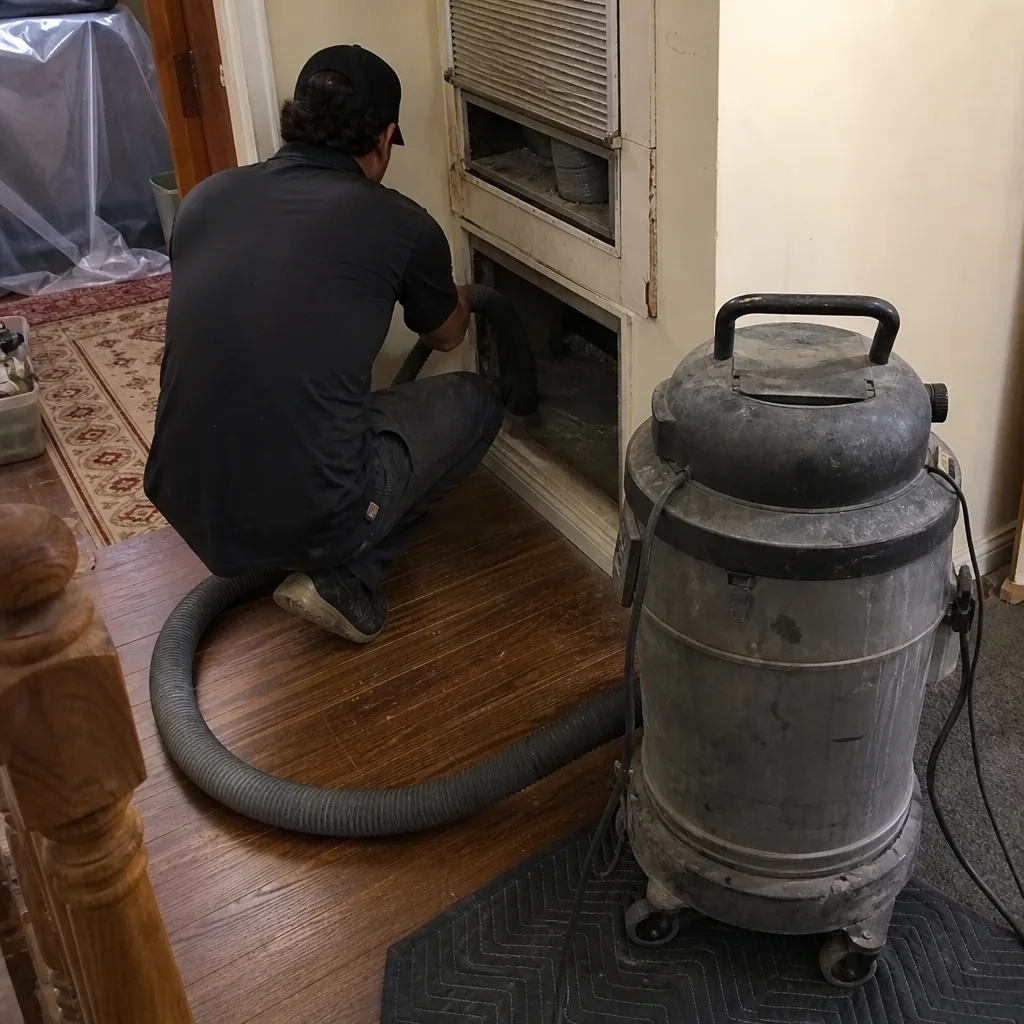 Before
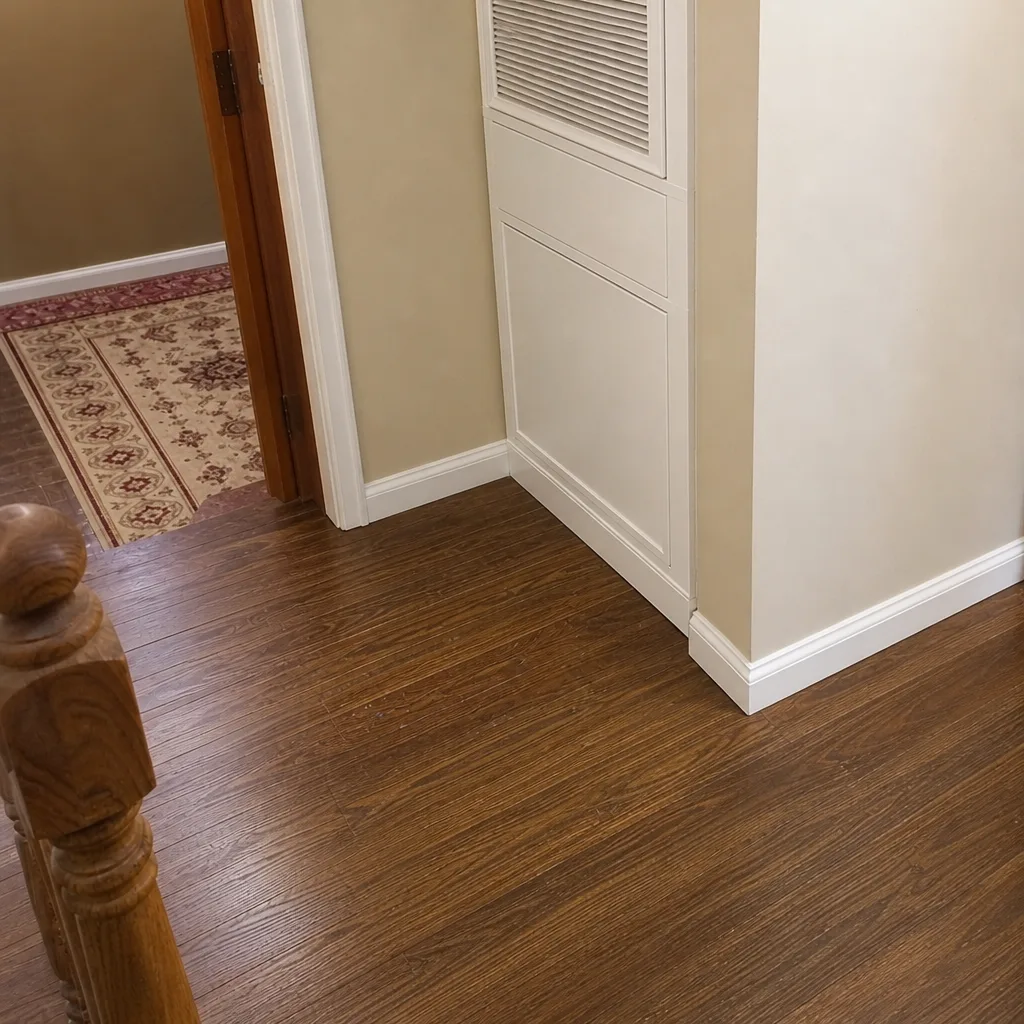 After
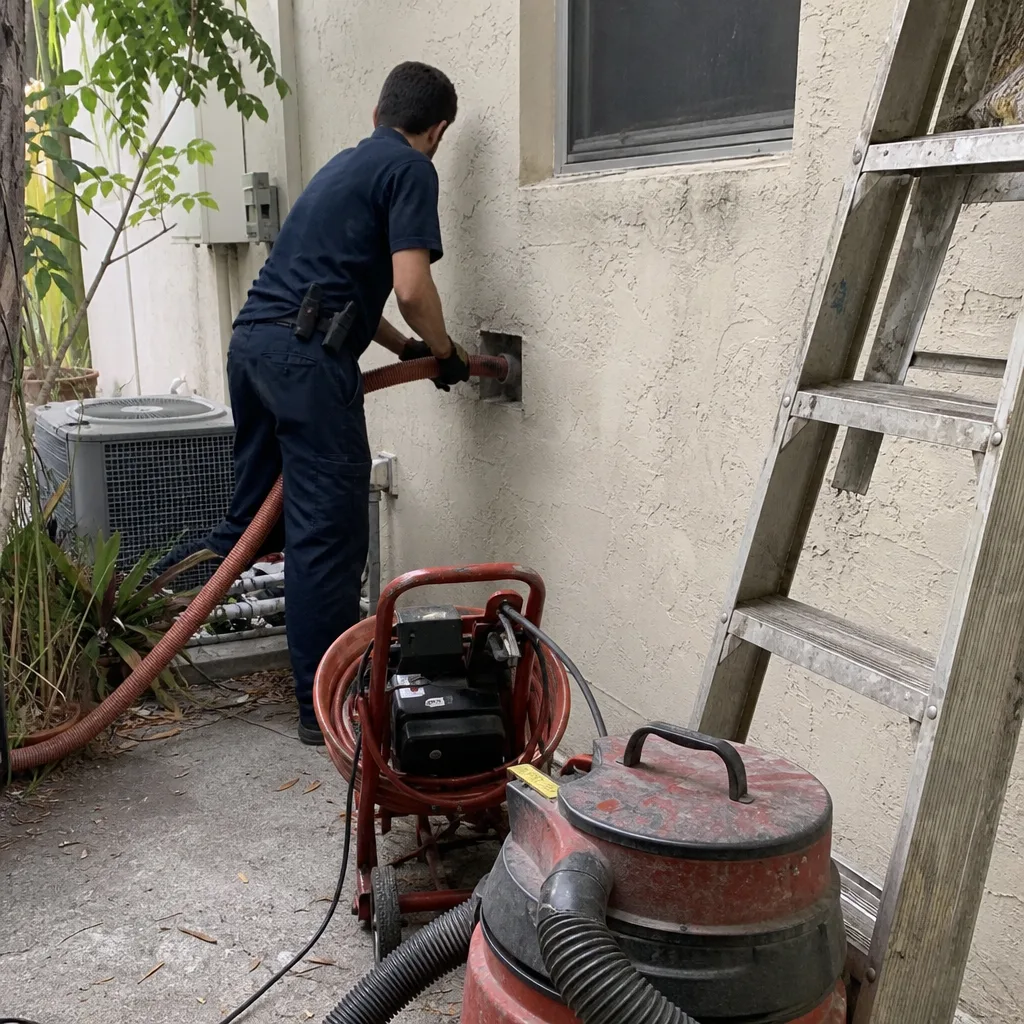 Before
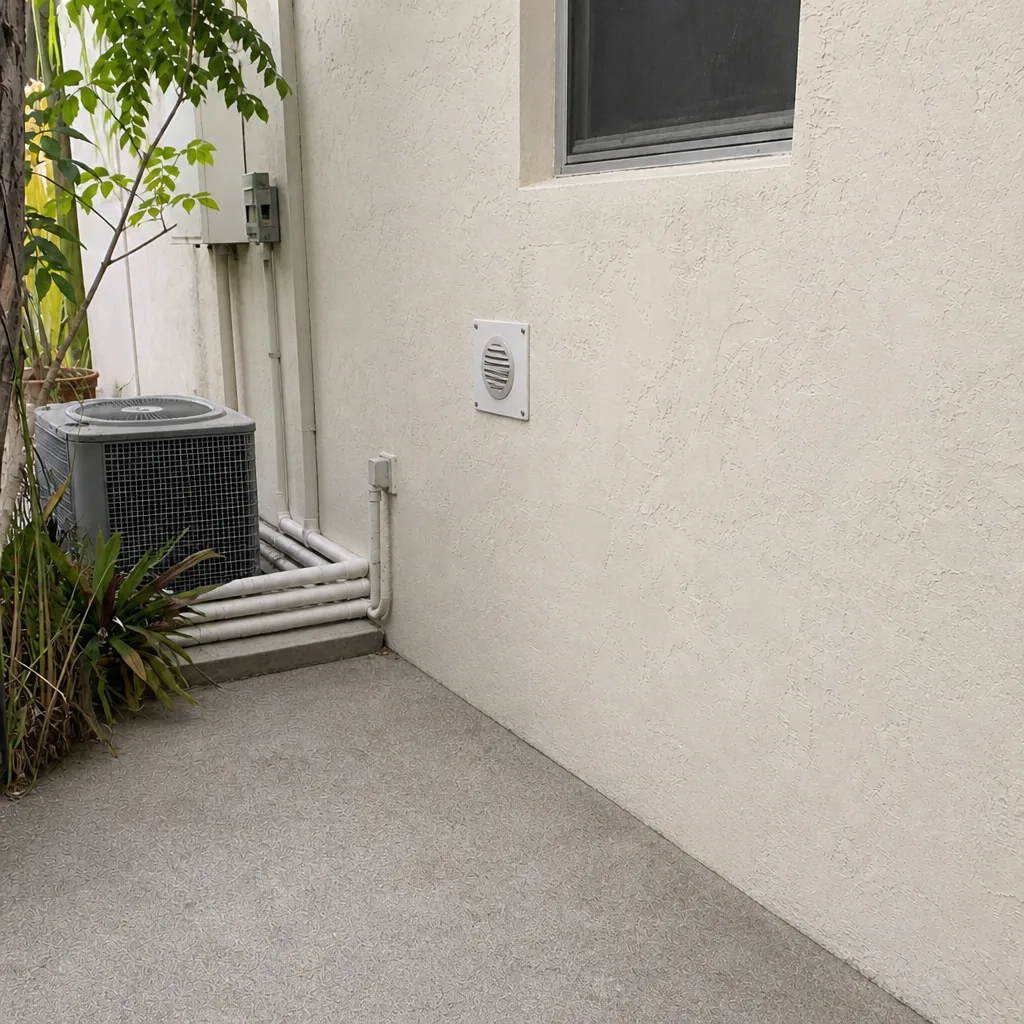 After
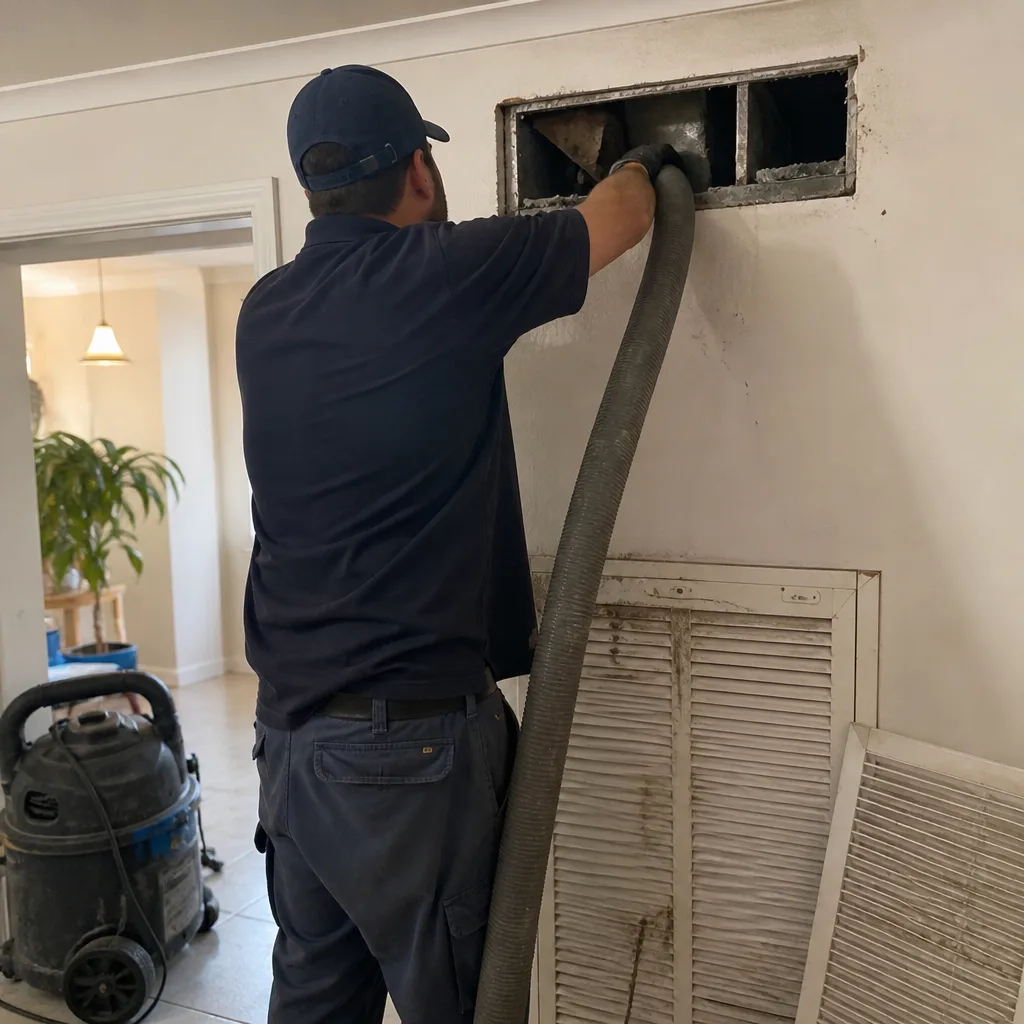 Before
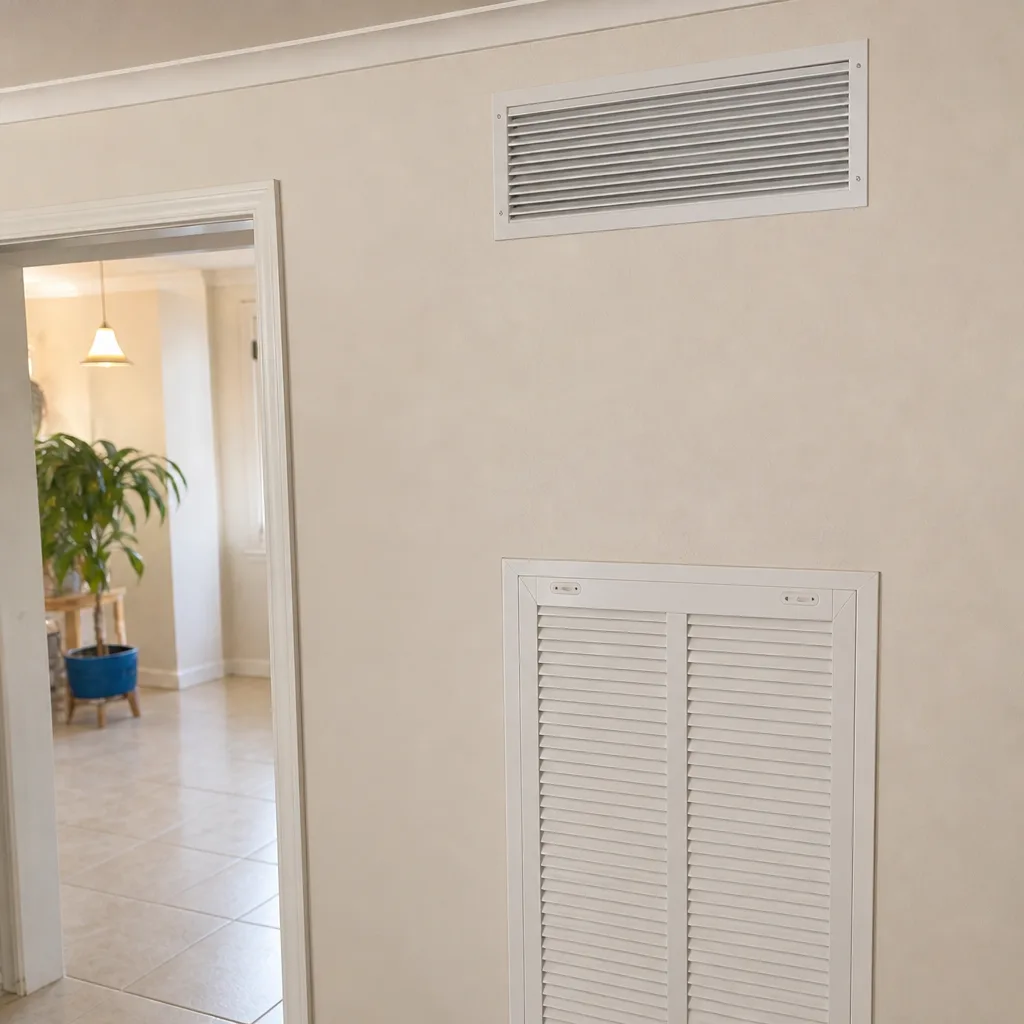 After
When to Call a Professional
Some jobs need a pro, and it’s worth being clear about which ones. Call if you’ve never had the ducts cleaned and the home is more than a few years old. Call if you’ve had a renovation in the last two years. Call if you have pets, allergies, or a family member with respiratory concerns. Call if you’re seeing dust streaks around registers, if the dryer is cycling longer than it used to, or if you’ve noticed any of the damage signs above. Call if a previous “cleaning” was done with a shop vac and no containment – that’s a situation worth redoing correctly. Valor Air Duct Cleaning offers free estimates in Pompano Beach – call (844) 795-4871.
Frequently Asked Questions
Most Florida homes need professional cleaning every 3 to 5 years, but Pompano Beach homes running their AC nearly year-round often need it every 2 to 4 years. The difference comes down to runtime: more hours of air movement means faster debris accumulation. Homes with pets or recent renovations should assume the shorter end of that range. Call (844) 795-4871 for an exact estimate – estimates are free.
Pricing is set per job by written estimate, and the number depends on system size, access, number of returns, and condition. What matters more than a specific figure is how the price is structured. One flat price per system, agreed before work starts, with no per-vent pricing – that’s the structure worth asking for. Call (844) 795-4871 and we’ll give you a written estimate based on your actual system.
Cut-rate quotes usually reflect cut-rate equipment and no containment. A shop vac and a hose doesn’t extract debris from a duct system – it stirs it up and redistributes it. Professional-grade tools like a Rotobrush rotary brush system and Nikro negative-air equipment are what make a real cleaning possible, and they cost money to run. A quote that’s a fraction of the others usually leaves something out. Call (844) 795-4871 to talk through what a real cleaning involves – estimates are free.
Ask for before-and-after photos of your own ducts, and ask for airflow readings before and after. Those two items together are the proof. A company that can’t produce them is asking you to take their word for it. We document both on every job because the record serves you and the next technician equally.
Dryer vents should be cleaned every 1 to 2 years for most households, and more often in homes with heavy laundry use or long vent runs. The interval matters more than most people think – a clogged dryer vent is a fire risk, not just an efficiency issue. Call (844) 795-4871 to schedule an inspection – estimates are free.
Yes, and it’s the factor most national guides miss. A system running eleven or twelve months a year accumulates debris roughly twice as fast as one running six months a year. Shorten any national cleaning interval by about 20 to 25 percent for a Pompano Beach home. If you’re in Pompano Beach and you’ve been following a five-year schedule, a closer look is worth scheduling.
Look for a rotary brush system for mechanical agitation and a negative-air machine for contained extraction – Rotobrush and Nikro are standard names in the trade. Abatement Technologies filtration is the same containment discipline used in professional remediation. If a company can’t tell you what equipment they’ll use, that’s your answer. Valor Air Duct Cleaning uses these systems on every job.
The Bottom Line
A single cleaning interval can’t fit every home. Your filter grade, your pets, your renovation history, and how many months a year your system runs determine how fast your ducts load up. In Pompano Beach, that last variable pushes the schedule shorter than the national averages suggest – closer to 2 to 4 years for most homes, and 2 for homes with pets or recent renovation work. Do the between-cleaning maintenance, document every cleaning, and treat post-renovation cleaning as a separate event. That’s a schedule that actually fits your house. Call (844) 795-4871 for a free estimate.
Written by the team at Valor Air Duct Cleaning, serving Pompano Beach since 2018.